DELICIOUS DINING

Our local guide to some of the best specialty foods in our area

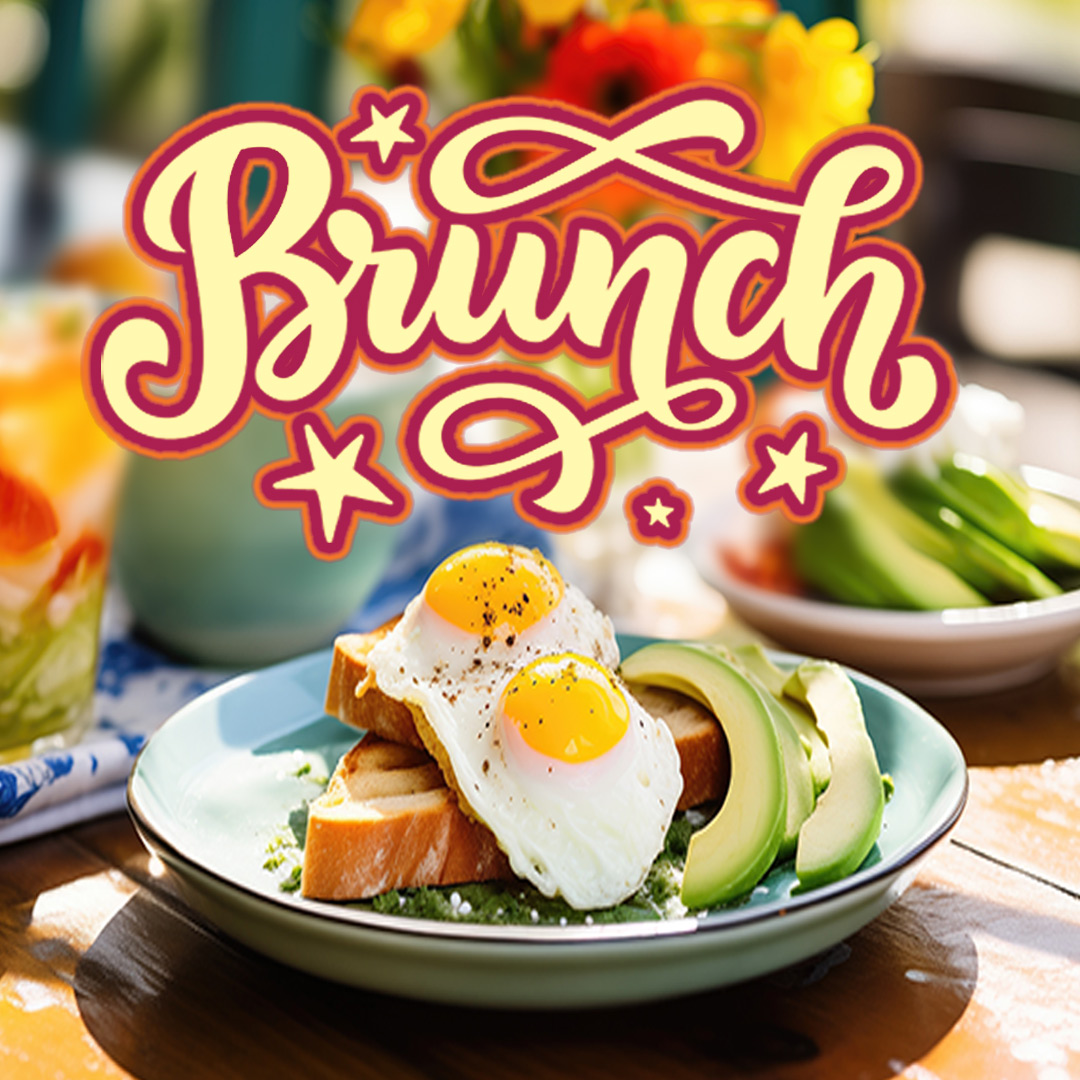
Brunch spots to brighten up your weekend

When the weekend rolls around and the Florida sun shines, there’s no better excuse to gather your family and friends for brunch. From fluffy pancakes and perfectly poached eggs to bottomless mimosas or a waterfront bite, we have no shortage of standout spots all around town. If you’re looking for ocean views, bold flavors, or a cozy café vibe, there is something close by for every brunch lover. So grab your people, make a reservation, and turn your weekend into a delicious tradition.

Cooper’s Hawk Winery & Restaurant

At Cooper’s Hawk in Coconut Creek, brunch meets sophistication. Known for its award-winning wines, this spot pairs classic brunch favorites with signature wine selections and handcrafted cocktails. Think indulgent entrées, shareable starters, and elegant desserts—all in a polished yet welcoming setting. Whether you’re celebrating something big or just treating yourself to a leisurely Sunday meal, Cooper’s Hawk makes brunch feel like an occasion.

Revelry – Burlesque Brunch

If you’re looking to turn brunch into an experience, Revelry in Pompano Beach delivers something completely unforgettable. Its Burlesque Brunch blends high-energy performances, bold cocktails, and a lively atmosphere that feels more like a show than a simple meal. Expect creative brunch plates, craft drinks, and entertainment that keeps the energy up from the first mimosa to the final curtain call. It’s the perfect spot for birthdays, girls’ brunches, or anyone who believes brunch should come with a little drama and sparkle.

Dear Olivia

If you want to stay close to home, Dear Olivia in Parkland offers a cozy yet elevated brunch experience. With its bright, welcoming interior and beautifully plated dishes, it’s ideal for a relaxed catch-up with friends or a family weekend outing. From fresh pastries and specialty coffees to thoughtfully crafted brunch classics, every dish feels both comforting and refined. It’s proof that you don’t have to leave Parkland to enjoy a brunch that feels special.

Sixty Vines

For a bright and airy brunch vibe, Sixty Vines in Boca Raton offers a fresh take on weekend dining. With a menu focused on seasonal ingredients and shareable plates, it’s ideal for groups who love sampling a little bit of everything. Its wine-on-tap concept adds a fun and modern twist, while dishes balance indulgence and freshness beautifully. It’s the kind of place where you can linger a little longer, sip slowly, and soak up the weekend atmosphere.

Sea Watch on the Ocean

Perched directly on the sand in Fort Lauderdale, Sea Watch on the Ocean offers one of the most scenic brunch settings in South Florida. Known for its panoramic ocean views and relaxed coastal atmosphere, it’s the perfect place to enjoy brunch with the sound of waves in the background. The menu highlights fresh seafood alongside brunch favorites, from lobster benedict and fresh-caught fish to classic eggs and mimosas. Whether you’re celebrating a special occasion or simply enjoying a sunny weekend morning, Sea Watch delivers a brunch experience that feels both elegant and effortlessly coastal.

How RDNs help individuals with intellectual and developmental disabilities

Intellectual and developmental disabilities, or IDDs, are lifelong disabilities that begin during childhood. These conditions include mental and/or physical impairments that may impact a person’s mobility and the ability to perform certain basic activities of daily living without assistance. IDDs may affect learning, comprehension, and language skills.

Maintaining good nutritional health can be challenging for individuals with IDDs. For instance, genetic disorders, such as Prader-Willi Syndrome, may lead to weight gain and obesity. In contrast, individuals with cystic fibrosis may struggle to maintain a normal body weight.

There also may be limitations during mealtime for both children and adults. Vision problems and difficulty holding utensils can affect the ability of individuals with IDDs to feed themselves. Swallowing problems, digestion problems, food allergies, and medications also can impair nutritional status. Oral health problems—such as dry mouth, cavities, gum infections, and oral hygiene—can contribute to feeding difficulties.

Some people with IDDs may have a partial or total need for nutrition support. These individuals may receive nutrition through a tube inserted into their stomach or abdomen, or a vein in an arm.

How a Registered Dietitian Nutritionist Can Help

As part of the health-care team, registered dietitian nutritionists (RDNs) with special training provide patient-centered, culturally competent nutrition counseling in a range of settings. RDNs identify strategies for mealtime support and create menus of acceptable food options to meet special nutritional needs.

Individuals with IDDs may struggle with other health conditions such as diabetes and obesity. RDNs are skilled in educating patients, family members, and caregivers on nutrition needs for these conditions too.

As RDNs work closely with other members of the medical team, they can be tremendous patient advocates. RDNs can connect patients or their family members and caregivers with community resources to help meet food and nutrition needs.

What to Expect When You Meet with an RDN

The RDN may start by assessing the individual’s overall health status. During this appointment, the RDN reviews the patient’s medical history, including the following:

  • Diagnoses
  • Lab test results
  • Medicines and supplements
  • Height and weight

The RDN may ask about other things:

  • Eating patterns
  • Food preferences
  • Feeding skills
  • Functional abilities
  • Social factors
  • Cultural and religious customs
  • Barriers to buying food
  • Activity level

Many RDNs perform a nutrition-focused physical exam, which helps them assess the person’s nutritional status and risk for malnutrition. During this exam, the RDN looks for physical signs of nutrient deficiencies.

RDNs may consult other members of the health-care team too. For example, speech-language pathologists and occupational therapists can help determine the need for modifying the texture of foods, special feeding positions, and the pace of feeding and will discuss ways a caregiver can provide encouragement.

Based on the findings of the assessment, the RDN will work closely with patients and their caregivers to create a nutrition care plan. The plan may provide recommendations on what, when, and how to eat to meet individual nutrition needs. Vitamin and mineral supplements may be recommended to help correct nutrient deficiencies, and tips for meeting weekly activity goals may be discussed.

RDNs also can provide training on food selection and meal prep for people with IDDs and their caregivers.

Find an RDN

The Academy of Nutrition and Dietetics’ Find a Nutrition Expert online directory lets you search for a registered dietitian nutritionist in your community or one who offers services via telehealth.

A little safari right in our backyards

It all started with a family in Boynton Beach rescuing a horse who had been abused and neglected and needed a home. That horse, Kona, came to live with the family on their large, rural property off US-441, and she changed their lives. A few months later, they rescued four more horses, a donkey, some sheep, and a cow. They started a business called Pet-N-Parties. Then they decided to open a petting zoo where people could come see the animals. And Animal EDventure Park & Safari was born.

They now have two locations in western Boynton Beach, both open to the public, but each one different. The Walkthrough Safari is located at their private property on 441. It is reservation only (you can’t just show up), costing $25 for a guided safari tour of their 8.5-acre property. This 1.5-hour tour includes kangaroo encounters, sloth encounters, and all feed for the farm animals, camels, and more. All encounters include animal petting, pictures, and learning about the animals. Visitors can also get up close with zebras, porcupines, lemurs, otters, horses, deer, and more. If you want to play with otters, hold sloths, interact with monkeys, meet Kona the horse, and see where the animals live, this is the place.

Their second location is the Animal Park at Bedner’s Farm, at 10066 Lee Road. It is open to the public every Saturday and Sunday from 10 a.m. to 4 p.m., with no reservations needed. Visitors can enjoy all-day access to the park, with its petting area, animal feeding area, and exotic animal encounters. Admission is $15 per person, which includes one exotic animal encounter (or sign up for more for an extra fee). This animal park is not structured or guided like the safari location—roam around as you see fit. There is the opportunity to meet kangaroos, sheep, goats, camels, donkeys, cows, lemurs, porcupines, llamas, macaws, parakeets, and spider monkeys. These animals don’t live at the park, they get brought over to Bedner’s on the weekends from the property just up the road. Bedner’s Farm also offers food trucks, “U-Pick” opportunities, tractor rides, and more.

My son Jacob and I opted to do the walkthrough safari recently, and we’re so glad we did. The tour guides (we had JJ and Rick) and staff were wonderful—very informative and entertaining, giving background and interesting details on each type of animal as we walked through the property and took in all they have there. We could tell the guides really care about their animal residents, as they told us their rescue stories.

Some people in our tour group had signed up in advance for extra add-ons as part of the safari—Otter Encounter, Sloth Holding, Monkey EDventure, and Otter Swim—all of which are popular activities at this venue. We hadn’t bought tickets for those, but we still enjoyed and got a lot out of our tour.

The first stop we were taken to that morning was their large kangaroo yard, where we got to meet, pet, and photograph all the mama kangaroos with their babies in their pouches. The male kangaroos were kept in a separate enclosure on the other side of a fence. On our side, I’d never seen so many kangaroos in one place, and we learned that a group of kangaroos is called a “mob.” We were quite amazed both by the kangaroos’ method of running/hopping around their habitat as well as by the cute youngsters peering out of the pouches, some dangling their long legs out on a different side from their head. We learned from the guide that they stay in their mothers’ pouches for 6 to 8 months—so these were not newborns!

After the kangaroos, we continued our tour of the property, meeting Franklin, an adorable 3½-year-old spider monkey; donkeys and zebras and a rare hybrid offspring called a “zonkey”; and a collection of camels, lemurs, and caracals. We learned from our guide that four caraculs and four other cats came from a Florida man who had ordered them online and kept them as pets until he had to surrender them to the farm.

And finally, we met “Slow Mo,” an adorable two-toed sloth who was brought around on a special pillow to meet everybody in our group as we stood in a large circle with him and his handler in the center. Slow Mo, along with all the animals we met at Animal EDventure, seemed happy and well cared for.

Most of the wildlife you’ll see at either location have been rescued, adopted, or surrendered there. It’s great to see the animals have a nice place to call home.

For more information, go to animaledventures.com.

Spring break without the airport

Easy day trips within two hours

When spring break rolls around, it’s easy to assume that you need a plane ticket, a packed suitcase, and a full itinerary to feel like you’ve “went away.” But for locals, adventure is closer than you think. Some of South Florida’s best hidden gems, beach towns, and nature escapes are just a short drive away—perfect for a spontaneous day trip that feels more like a vacation without the stress of travel.

Whether you’re looking for beaches, boutiques, wildlife, or simply a change of scenery, here are a few easy spring break escapes within two hours.

Port St. Lucie: Laid-Back Beaches and Nature

Just over an hour north, Port St. Lucie offers a slower, quieter vibe than Broward’s busy shoreline. Locals love Walton Rocks Beach, where wide stretches of sand make it easy to spread out, walk along the water, or collect shells.

For something more adventurous, head to Savannas Preserve State Park, where winding boardwalks take you through wetlands flanked with birds, turtles, and occasionally alligators. It’s a great option for families, nature lovers, or anyone who wants a peaceful reset from daily life.

Finish the day with a waterfront dinner along the St. Lucie River, a simple, scenic, and perfectly relaxed way to complete the getaway.

Stuart: A Charming Small-Town Escape

If you’re craving a coastal town with personality, Stuart is hard to beat. Known as the “Sailfish Capital of the World,” this historic downtown is filled with colorful murals, boutique shops, and local cafés.

Spend your morning strolling along the riverwalk, browsing vintage stores, or grabbing a coffee at a local bakery. Then drive over to Stuart Beach for soft sand, calm water, and beautiful views of the Atlantic.

For a unique experience, hop on a sunset boat tour or kayak through nearby mangroves … an unforgettable way to see Florida from a different perspective.

Naples: Upscale, But Still Relaxed

A bit farther west and just under two hours, Naples feels like a mini luxury getaway without leaving Florida. The downtown area is polished and picturesque, with palm-lined streets, art galleries, and high-end dining.

Naples Pier is a must-see, especially at sunset, when the sky turns shades of pink and orange over the Gulf. If you prefer nature, Delnor-Wiggins Pass State Park offers pristine beaches and clear water perfect for swimming, snorkeling, or simply lounging.

While Naples has a more sophisticated feel, it’s still welcoming and easy to explore in just one day.

So grab your essentials, hit the road, and see what’s just beyond our city. You may find that adventure is closer than you think!

DELICIOUS DINING

Our local guide to some of the best specialty foods in our area

Dining al fresco in the spring

This season naturally invites a slower rhythm. Longer dinners, quieter conversations, and evenings that linger under the open sky. With cooler spring breezes in the air, many locals are choosing outdoor dining, seeking settings that feel relaxed and connected to their surroundings. From cozy patios to lively outdoor spaces, these local restaurants offer the perfect backdrop for a memorable night out (and outside).

Tap 42 – Coral Springs
A favorite for its energetic yet comfortable atmosphere, Tap 42 offers one of the best outdoor setups in Coral Springs. The spacious patio, string lights, and open-air feel make it ideal for everything from casual date nights to celebratory dinners. With craft cocktails, elevated comfort food, and a lively crowd, it’s a great place to linger and enjoy the evening.

Sicilian Oven – Coral Springs
Sicilian Oven’s outdoor seating brings a warm, neighborhood feel to its classic Italian menu. With wood-fired pizzas, homemade pastas, and fresh salads, it’s a comfortable spot for those who want great food in a relaxed patio setting. The open-air tables make it easy to enjoy a slow meal while soaking in the evening.

The Cheesecake Factory – Coconut Creek
The Cheesecake Factory’s outdoor seating provides scenic views of the Promenade and a pleasant atmosphere. Whether you’re enjoying a full dinner or sharing one of their famous cheesecakes, the patio setting adds a special touch to any evening out.

Ethos Greek Bistro – Coconut Creek
Ethos brings Mediterranean charm to outdoor dining with its inviting patio and vibrant energy. The fresh Greek dishes, lively ambiance, and warm lighting make it a great pick for those who want something flavorful and slightly different while still feeling romantic and relaxed.

Big Bear Brewing Co. – Coral Springs
For a more casual but still scenic outdoor experience, Big Bear’s patio is a go-to. With craft beers and a laid-back atmosphere, it’s perfect for couples who want to enjoy good food and drinks in a fun, social environment.

No matter the occasion, these outdoor dining spots remind us that some of the best meals are better under the sky, with good company, and great food. Whether you’re celebrating love, enjoying quality family time, or simply savoring the moment, these patios offer a beautiful place to dine beneath the open sky.

Where the animals reign in lush nature

If you would like to experience a beautifully shaded property that looks like a botanic garden with waterfalls but also is a zoo and a conservation center, then the Palm Beach Zoo & Conservation Society is for you. This is a place where they rescue, rehabilitate, and care for injured and endangered animals, and visitors have a chance to interact with some of the zoo’s residents.

Among the many animals at this zoo are bears, tigers, cougars, alligators (including a rare white one), otters, flamingos, a pair of capybaras, a bald eagle, a barred owl, lorikeets, scarlet macas, a Southern ground hornbill, a Baird’s tapir, koalas, sloths, lemurs, tortoises, servals, and a variety of monkeys. I went to visit with my friend Susan recently, and we saw lots of these animals.

We had heard that the Palm Beach Zoo & Conservation Society does a lot of good in helping endangered wildlife. The organization sponsors conservation projects in many parts of the world; much of it deals with species that are represented in the zoo’s collection. Admission to the park is relatively expensive, but we understood that it is to help the conservation society do all its great work for the animals.

Two zoo residents here are a little famous! A female (Iyari) and a male (Zeus) Capybara in the Tropics of the Americas section have been featured on episodes of the TV show “Finding Florida” because zookeepers have been closely observing them as they realized the two had formed a bond. The Capybaras spend a lot of time together and share their food. Zoo workers are hoping that this new couple will breed. Susan and I got to see them from a distance while we were there. Another highlight for us at this venue were the many colorful flamingos in a gorgeous water setting, with some of them “mirroring” each other, a fascinating process we learned they do.

Some nice features at the zoo are its “Animal Experiences,” which cost extra, and its zookeeper chats, which are free. There is a daily schedule board near the entrance that indicates the sessions that visitors can attend for that day. Registration in advance is required for the animal experiences. The animals that participants can sign up to enjoy close encounters with include otters, giant aldabra tortoises, sloths, koalas, panthers, and bears.

Susan and I opted to attend two of the zookeeper chats—the howler monkeys and the Malayan tigers. What we came away with was how dedicated and passionate these staff members are about the animals in their care. The zookeeper for the monkeys stood in front of their outdoor habitats and told us all about these energetic animals, pointed out many of their habits and activities as the monkeys moved around, and answered any questions we had. He had a large group of people gathered around and kept us all entertained and informed.

Afterward, we walked over to the tiger section and listened in as we heard about Kadar, an older tiger who needs regular cold laser therapy to manage age-related stiffness, reduce inflammation, and increase his mobility. The zookeeper there told us we’d get to watch Kadar have this non-invasive treatment during his feeding time. It helps to treat chronic pain and arthritis while allowing the veterinarians to reduce reliance on medications. Observers got a unique experience as another zoo staffer proceeded to feed and apply the laser device to Kadar, who we were told would feel no discomfort from the treatment. We all were thrilled to watch this process so close up. And Kadar is a beautiful animal.

I learned that the Malayan tigers who live at the zoo play a crucial role in maintaining the balance of their native habitats. And by visiting these tigers, you are saving tigers in the wild, according to conservationists. Once widespread, Malayan tigers are now only in isolated pockets, and zoo visitors are supporting initiatives to protect their dwindling homes.

In addition to helping with animal conservation, the Palm Beach Zoo is assisting with conserving tropical forests, which it says provide homes to over 63% of all land mammals, including tamarins and sloths, and is essential for human survival. The zoo is restoring its own forest by planting native trees, shrubs, and grasses that support native species.

While there, Susan and I encountered a very striking-looking tree that resembled peacock feathers flaring out. It is called a traveler’s palm, a member of the “bird of paradise” family. Known for its massive, fan-shaped leaves structured in a single plane, its thick trunk can reach up to 30–50 feet in height and the dramatic tree provides great impact in its environment. We had never seen anything like it before. The lushly landscaped Palm Beach Zoo is definitely a recommended outing.

For more information, go to palmbeachzoo.org.

Spring break without the stress

With spring break approaching, travel plans are coming into focus. February is often when families begin paying closer attention to the details that matter, from timing and crowds to overall cost.

For those heading out of town, travel days are part of the conversation. Flights out of Fort Lauderdale, Miami, and Palm Beach are filling up, with the most popular departure and return days tending to be the busiest. Some families are adjusting schedules slightly, while others are choosing destinations they can reach by car to keep plans more.

Busy conditions are expected at familiar spring break destinations, especially places like Orlando’s theme parks. Even beach destinations closer to home tend to feel busier this time of year. While some families are booking a few activities ahead of time, others are keeping plans looser. Long, tightly scheduled days don’t always work well during busy travel weeks, particularly for kids.

Cost is another factor that many families are weighing. Beyond flights and hotels, expenses like meals, parking, attractions, and transportation can add up quickly. Thinking through those details ahead of time can help trips feel less stressful once they’re underway.

Not every spring break trip involves a flight. Many families are opting for short road trips to the Keys, Miami Beach, Palm Beach, Tampa, or Orlando. Others are staying closer to home, treating the week as a chance to slow down rather than travel far.

However spring break is spent, flexibility and a lighter schedule can make the week easier to enjoy.

Heart-healthy eating tips for heart month

Certain foods can lower your risk of heart disease or help to manage it, while other foods may increase your risk. Try these tips for preparing heart-healthy meals.

Choose healthier types of fat and cooking methods

  • Use small amounts of oils, such as canola and olive, in recipes and for sautéing.
  • Make your own salad dressings with olive or flaxseed oil.
  • Blend mashed avocado into dips or use small amounts to add flavor to dishes.
  • Try different ways of cooking foods—such as baking, broiling, grilling, steaming, and poaching—to add variety.

Eat foods containing omega-3 fatty acids

  • Add walnuts to cereals, salads, or muffins. Try walnut oil in salad dressings too.
  • Eat two 4-ounce portions of fatty fish each week. Some options include salmon, lake trout, canned light tuna (in water), mackerel, and sardines.
  • Some chickens are given feed that is high in omega-3s, so their eggs will contain more as well. When buying eggs, check the package label.

Include sources of dietary fiber throughout the day

  • Include plant-based foods as sources of protein, including tempeh, beans, lentils, seeds, and nuts.
  • Make half of your plate fruits and vegetables at each meal.
  • Opt for whole fruits and vegetables instead of 100% fruit juices more often, and don’t discard edible peels. Removing the peels on produce, such as apples and potatoes, lowers their fiber content—just be sure to wash them before preparing or eating.
  • Choose whole grains instead of refined grains whenever possible.

Limit saturated fat

  • If you eat meat, select lean cuts of beef and pork, especially cuts with “loin” or “round” in their name, and drain the fat off cooked, ground meat.
  • Cut back on processed meats high in saturated fat, such as hot dogs, salami, and bacon.
  • When you make a stew or soup, refrigerate leftovers and skim off the fat with a spoon before reheating and serving.
  • Replace higher-fat cheeses with lower-fat options, such as reduced-fat feta and part-skim mozzarella.
  • Thicken sauces with evaporated fat-free milk instead of whole milk.
  • Move toward using lower-fat milk and yogurt. Start with 2% products, then move to 1%, and finally go to fat-free to adjust to the new taste.
  • Choose skinless poultry, or remove the skin before eating chicken or turkey.
  • Check the Nutrition Facts Label on food packaging for the saturated fat content and to see if trans-fat or partially hydrogenated oils are listed. Food manufacturers have removed trans fats from their products, but some foods with longer shelf-life dates—such as cakes, cookies, crackers, pastries, pies, muffins, and doughnuts—may still contain them. These foods also are sources of added sugar and should be limited for that reason as well.

Reduce salt (sodium)

  • Prepare foods at home more often so you can control the amount of salt in your meals.
  • Use as little salt in cooking as possible. You can cut at least half of the salt from most recipes.
  • Skip the table salt and be mindful when adding other higher-sodium condiments—such as soy sauce, ketchup, pickles, and olives—to your food at the table.
  • When choosing canned foods, select “reduced-sodium” or “no-salt-added” soups and vegetables.
  • Check the Nutrition Facts Label for sodium, and choose products with lower sodium content.
  • Season foods with herbs, spices, garlic, onions, peppers, and lemon or lime juice to add flavor.

DELICIOUS DINING

Our local guide to some of the best specialty foods in our area

Sweets for the season!

The holidays are officially here, and that means it’s time for sweets, sugar, and sparkle! Whether you’re hunting for stocking stuffers, gourmet chocolates, or over-the-top milkshakes, our area is full of fun and flavorful spots serving up holiday cheer by the handful. From classic fudge to artisan truffles and build-your-own candy bags, these local sweet shops will make your December deliciously bright.

Norman Love Confections

A chocolate lover’s dream, Norman Love Confections brings true artistry to every bite. Its handcrafted gourmet chocolates are as beautiful as they are delicious, with each piece painted by hand and filled with rich ganache, fruit purées, or caramel. The Boca boutique feels like a mini chocolate gallery, offering elegant holiday collections, truffle boxes, and cocoa-themed gifts that are perfect for anyone on your nice list (or yourself!).

It’Sugar

If candy had a theme park, it would look like It’Sugar. With local locations in Boca Raton and Coconut Creek, this bright, bold candy superstore is packed with giant gummy bears, novelty sweets, and nostalgic favorites. From outrageous chocolate bars to oversized lollipops and candy bundles, it’s the perfect stop for last-minute gifts, stocking stuffers, or just a sweet shopping break. Its festive holiday displays make it nearly impossible to leave empty-handed.

GoYummy Swedish Candy

Just opened in Boca and already a hit, GoYummybrings a modern twist to the classic candy store. Build your own bag from rainbow walls of gummies, sour belts, chocolates, and international sweets, or grab a festive holiday jar to go. It’s bright, colorful, and totally Instagram worthy. Perfect for stocking up on custom mixes or just treating yourself after a long day of shopping.

SugarHi

For those who like their candy with a creative twist, SugarHi takes dessert to the next level. Its cookie-stuffed milkshakes, edible cookie dough cups, and loaded brownies are local Boca legends—and its winter specials, like the Hot Cocoa Bomb and the Peppermint Brownie Shake, are as photogenic as they are delicious. Every visit feels like stepping into dessert heaven.

Sloan’s Ice Cream

Whimsical, pink, and candy-coated, Sloan’s is a must-see for sugar lovers. Alongside its rich, homemade ice cream, you’ll find walls of colorful candies, chocolate-covered pretzels, and gift-worthy sweets. Holiday flavors like Peppermint Stick, Santa’s Cookie Dough, and Gingerbread make this Boca Raton spot a holiday highlight and the perfect place for a post-shopping treat with friends.

SOME SWEET FACTS

  • The average American eats about 22 pounds of candy per year, with December as the peak month!
  • Peppermint and chocolate are the most popular holiday candy flavors.
  • Approximately 150 million chocolate Santas are produced each year.
  • The candy cane is the No. 1–selling non-chocolate candy in December.
  • During Hanukkah, chocolate gelt—foil-wrapped coins—are a traditional treat, symbolizing good fortune and often used when playing Dreidel.

Sources:  The Chocolate Store, “Random Candy Facts” (thechocolatestore.com); FlavorSum, “Candy, Snacks & Flavor Cravings” (flavorsum.com); Food & Wine, “The Most Popular Christmas Candy in Every State” (foodandwine.com); Forbes, “America’s Favorite Holiday Candy by State” (forbes.com); My Jewish Learning, “The Sweet Story of Hanukkah Gelt” (myjewishlearning.com).

Some healthy food choices for kids this winter

When the temperatures drop and the daylight hours are shorter, energy levels can take a big dip, right along with mood. Kids might be less active in the cold winter months, making it extra important to focus on getting the right nutrition this time of year. Changes in mood, energy, focus, appetite, and sleep aren’t uncommon, but they could be signs of a more serious underlying condition. If you’re concerned about your child’s emotional and mental health, have a conversation with your child and their pediatrician.

Healthful food choices also can help support your child’s mental health. Consider including the following foods to help your kids stay healthy—and happy—this winter.

Salmon

Amino acids such as tryptophan, tyrosine, and glutamine are a few of the building blocks of protein found in salmon and other protein foods. These amino acids produce neurotransmitters that contribute to mood regulation. Emerging research links nutrients in fish with a lower risk of depression. Salmon is packed with omega-3 fatty acids, which have been shown in some studies to help manage depression. While we need more research to confirm mental health benefits, we already know that fish is an excellent heart-healthy source of protein. Some kids will eat broiled or grilled salmon. Try using a marinade or sauce they love on other foods, or cut the fish into small pieces and make kebabs with veggies.

Clementines

Clementines are an adorable winter citrus, packed with vitamin C, which helps keep immune systems strong. They also provide dietary fiber. Kids love that they’re usually seedless, easy to peel, and fun to eat, making them perfect for school lunchboxes or snacks. You also can toss the sections into salads to make greens more appealing.

Winter Squash

Butternut squash is rich in vitamin A and carotenoids, which have been shown to benefit heart health and immunity. It’s also a good source of dietary fiber, which helps keep blood sugar levels stable. Most winter squash varieties are naturally sweet, and what kid doesn’t like sweet? Try roasting butternut or acorn squash and tossing it with cinnamon and maple syrup. Spaghetti squash is another popular winter squash. Try baking it and adding your child’s favorite pasta sauce on top.

Sweet Potatoes

Packed with vitamin A and potassium, another great source of dietary fiber is sweet potatoes. Their mellow, sweet taste works in all kinds of recipes. Slice into thin “coins” and toss with canola or olive oil before roasting. Sweet potato puree can be used in foods including macaroni and cheese, oatmeal, and brownies. Try swapping in baked sweet potatoes as an alternative to French fries. Have your kids help with peeling so they’re involved in the cooking process.

Cauliflower

This member of the cruciferous veggie family has been noted for its high phytochemical content. Cauliflower is delicious on its own but easily blends with other flavors. It’s rich in vitamin C and is a good source of vitamin K for a healthy immune system and healthy bones. And that’s not all! Cauliflower also is a good source of folate, a B-vitamin important for growth and development, while dietary fiber promotes stable energy levels and digestion. Cauliflower is delicious roasted, but if your kid is averse to eating veggies, try making cauliflower “rice” in a food processor and adding it to a stir-fry.

Thinking of adopting a pet for the holidays?

Many families consider adopting a pet companion during the holiday season. Pets can fill our lives with love, but they also come with many additional responsibilities.

Ensure Your Pet’s Needs Match Your Lifestyle

Each pet has its own unique needs, so research its needs before adoption. A labrador will require more attention than a hamster, and kittens love to get into every corner of your house and knock things over. So before you take the steps to adopt a new family member, consider your daily routine and how much time you can dedicate to feeding, grooming, exercising, and playing with your pet.

If you are considering adopting a pet before the holidays, be mindful of your plan during those holidays, whether it’s travel, hosting guests, or attending events. The first few days after a new pet’s arrival often require more attention.

It’s a Long-Term Commitment

Adopting a pet can span a decade or more. A dog or cat may live 10–15 years or more, and a parrot or turtle can live more than 50 years. Beyond the initial adoption fee, you should plan for food, bedding or shelter, toys, grooming, and potentially training classes. 

To ensure that you have a happy and healthy pet, you should budget for regular veterinary expenses, spaying/neutering, and vaccinations.

It’s a Family

Accepting a new pet into your home is a family affair. Your home may need to be pet-proofed to prevent accidents. Small objects, toxic plants, and exposed wires can all be hazardous and need to be secured.  

Your family members should be consulted before adopting. Does a family member have an allergy? Will they be okay with cleaning up after the new pet? Who will handle the additional chores? These considerations should all be discussed, to help ensure that the pet is integrated into and loved by the whole family. Last thing: New pets often get abandoned after the holidays. So if you can wait until after the holidays to adopt, you may help a loving animal find its forever home

8 tips for allergy-free holidays

Winter holidays bring cheerfulness and plenty of opportunities for festive eating. While common food allergens lurk in many traditional dishes served at Thanksgiving, Hanukkah, Christmas, and Kwanzaa celebrations, a little preparation and planning can help you—whether you’re the parent of a child with food allergies or hosting guests who have them—glide through the holidays safely.

These tips can help you navigate food allergies safely and healthfully this holiday season.

5 Tips for Avoiding Food Allergens at Home

  • Host at your home. Because you are in control of what is served, this can be the safest option when managing food allergies. You may choose to prepare only “safe” foods and let guests know what they can and cannot bring into the house. If you do have foods containing allergens, designate separate areas for these foods to be served to help prevent cross-contact.
  • Focus on whole, unprocessed foods. While cooking from scratch may seem like more work, it helps to ensure that food and prep areas are free from food allergens. You might even find that you save time in the long run because you don’t have to scour every ingredient list.
  • Modify traditional recipes using allergen-free ingredients. Once you know a few simple swaps, you may realize just how easy it is to modify your recipes. Focus on similar items when considering swaps, like non-dairy milk for cow’s milk (or vice versa), or naturally gluten-free grains for wheat. Eggs in recipes often can be substituted with ground, rehydrated flax or chia seeds.
  • Always read all ingredient labels. Even if you think a product is allergen-free, read the label. Food manufacturers change formulas, which may introduce allergens into previously “safe” foods and beverages.
  • Keep it clean. Prevent cross-contact and cross-contamination by encouraging frequent handwashing.

3 Tips for Avoiding Food Allergens Away from Home

  • Offer to help the host. If you help plan the menu or shop for ingredients, you can choose items that you know are safe. If you cook, you can help ensure that dishes are prepared without allergens. And don’t hesitate to ask your host to save labels from products to reference and provide you peace of mind.
  • Bring snacks and desserts. If helping ahead of time is out of the question, bring a few allergen-free options. Bring your own allergen-free snacks and desserts, as baked goods feature common allergens such as wheat, dairy, eggs, nuts, and soy. Pack snacks such as fresh fruit with sunflower butter packets, carrots with hummus, popcorn, and homemade trail mix made with rice cereal, seeds, and chocolate chips. For easy festive desserts, melt chocolate chips as a dip for dried apricots or allergen-free cookies, or bake apples sprinkled with cinnamon and brown sugar and top with allergen-free whipped topping.
  • Communication is key. If a host is unfamiliar with how to handle food allergies, he or she might fall victim to the “a little bit won’t hurt” mindset. Communicate at the start that a little bit can hurt, and that you’d be more than happy to help with shopping or prep so that the host can feel comfortable and you can feel confident in the foods served.