
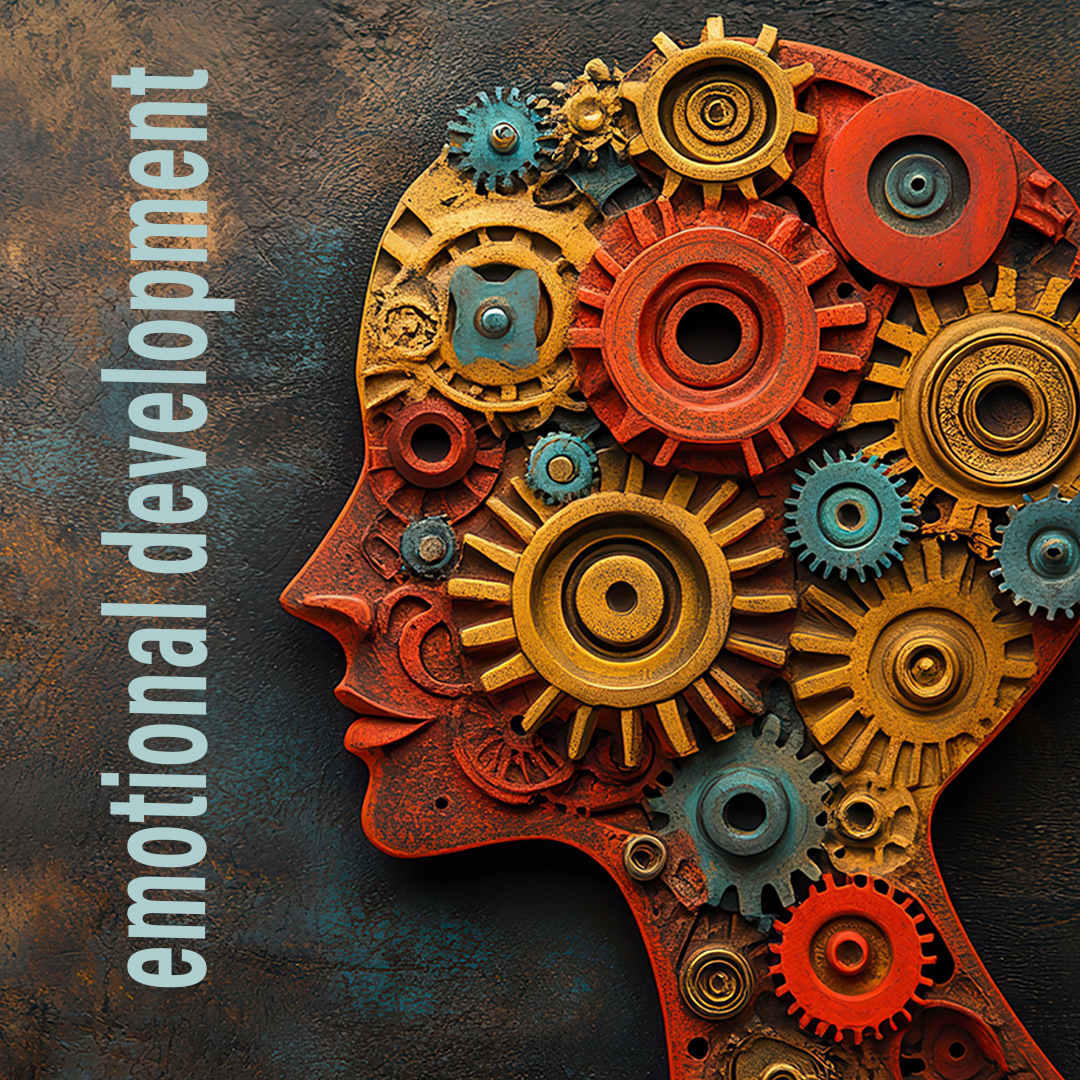
In today’s world, raising a child means navigating a reality dramatically different from the one we grew up in. Screens dominate childhood, and while technology has brought many opportunities, it has also presented serious challenges to a child’s emotional and social development. Working in early childhood education, I’ve seen firsthand how critical it is to equip children not just with academic knowledge, but with the emotional skills necessary to thrive in today’s fast-moving, high-pressure world.
The term emotional intelligence is not new, but it has taken on new urgency. Emotional intelligence is the ability to recognize, understand, and manage one’s own emotions while also recognizing and responding to the emotions of others. Decades of research, including from the Yale Center for Emotional Intelligence and Dr. Daniel Goleman’s foundational studies, show that children with strong emotional skills are better equipped to lead, influence, and adapt in high-pressure environments. With stress, anxiety, and disconnection rising rapidly among young children, building these skills isn’t optional. It’s leadership preparation.
In recent years, conscious discipline, rooted in neuroscience and behavioral science, has gained ground. Dr. Becky Bailey’s conscious discipline framework emphasizes that children learn emotional regulation not through punishment or avoidance, but through modeled behavior and intentional connection. Studies at Florida State University and the University of Missouri have shown that children exposed to conscious discipline practices in early education demonstrate higher empathy, better conflict-resolution skills, and increased attention spans—vital 21st-century competencies.
The urgency is amplified by the reality of screen dependency. According to Common Sense Media, children aged 2 to 8 spend an average of 3.8 hours a day on screens outside of schoolwork. The American Academy of Pediatrics has long warned about the impact of excessive screen time on sleep, attention, and emotional regulation. Yet the conversation is no longer just about limiting screens, it’s about actively replacing those hours with meaningful, emotionally rich experiences.
Parents raising future leaders need direct, practical tools. Emotional coaching involves labeling emotions in the moment, validating children’s feelings, and guiding them toward productive coping skills. This does not mean overindulging or shielding children from difficulty. When we do this, we rob them of the small, everyday experiences that build self-esteem, confidence, and a healthy sense of worth. These moments, whether it’s resolving a disagreement with a friend or managing frustration when something doesn’t go their way, are essential for shaping resilient, capable leaders. Leadership is not just about leading others, it’s about trusting one’s voice and having the confidence to navigate challenges. That foundation is built in childhood.
Small, consistent routines foster a leadership mindset that lasts. Predictable morning rituals, mindful breathing exercises, and daily check-ins asking children how they feel equip them with the tools they need. Limiting screen time without a meaningful replacement leads to resistance. The key is substituting digital distractions with activities that nurture social-emotional learning (SEL): unstructured play, open-ended storytelling, collaborative projects, evening walks, and activities that demand teamwork and communication.
Schools must evolve too. Academic rigor alone no longer prepares children for the demands of the future. Programs integrating SEL show improved academic outcomes alongside measurable gains in empathy, resilience, and leadership. Schools that prioritize SEL are not just producing well-behaved students, they are raising leaders.
Parents often ask what they can do when the world feels overwhelming. The answer: Be present. Be intentional. Leave the phone away from the dinner table. Model calm when conflict arises. Validate feelings without rushing to fix them. Build predictable rituals. Replace screens with conversations. If we want our children to lead in the future with compassion and resilience, the work begins at home.