 Plants grown in greenhouses are protected from the elements, kept at the right temperature, and fed exactly what they need to flourish.
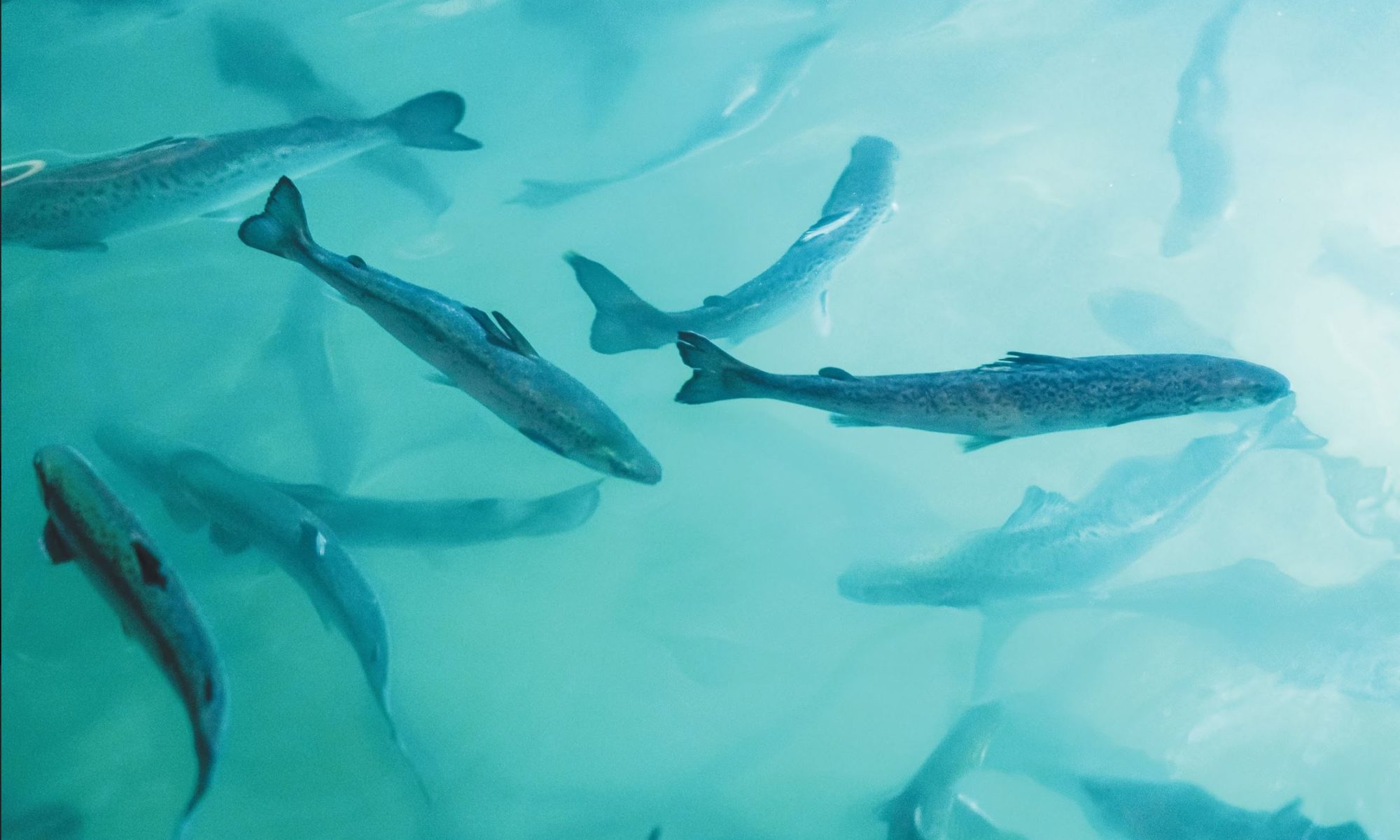
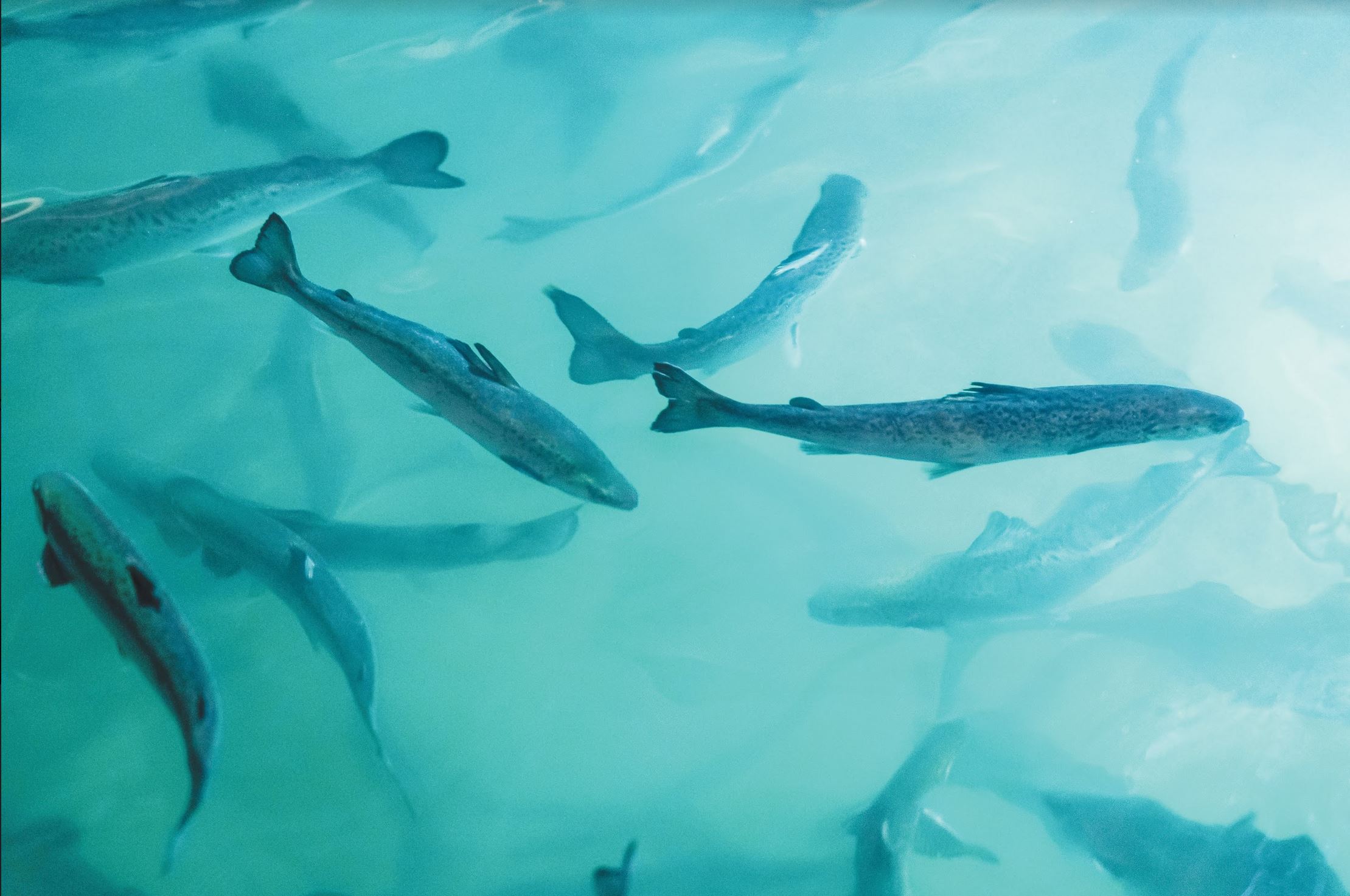
Coming now to South Florida, a “Bluehouse,” whose inhabitants are protected from the elements, kept at the right temperature, and fed exactly what they need to flourish. With apologies to our vegan readers and good tidings to our meat eaters and pescatarians, the inhabitants in this case are Atlantic salmon.
It’s called a Bluehouse because it’s underwater; water continuously purified by a state-of-the-art filtration system where salmon are free to swim against strong currents, mimicking their natural habitat.
It’s all happening at a 390,000 square-foot
facility in Homestead, where the first four million Florida-born salmon are already swimming in Bluehouse tanks. They are free of antibiotics, pesticides, and hormones. They have no PCBs, mercury, or microplastics; clean fish ready for your dinner table.
The Norwegian company Atlantic Sapphire, an aquaculture venture in salmon, is behind the fisheries on 160 acres of land 30 miles south of Miami. Founded in 2010 by Norwegians Johan Andreassen and Bjorn-Vegard Lovik, the duo pioneered the use of cleaner fish in the 1990s as a natural way of fighting sea lice in net-pen salmon farming.
With a need to feed an expanding global population, aquaculture is the fastest-growing sector of agriculture.
According to the FAU Center for Marine and Warm Water Aquaculture, “More than 50 percent of the seafood we eat comes from aquaculture, but less than one percent is produced in the U.S. There is a critical need and opportunity to expand U.S. aquaculture production to grow safe and healthy seafood that will reduce the trade deficit.”
“With declining fisheries and the need to feed close to 10 billion people by 2050, it is projected that global aquaculture production will need to more than double in the next 40 years,” they say. Right now, the United States imports 95 percent of its salmon from the North Sea fjords of Norway or the cold waters off Chile.
A prototype for the facility was constructed in Denmark in 2011. That facility produced 25 generations of salmon and demonstrated the ability to raise Atlantic salmon without the use of net pens in open water.
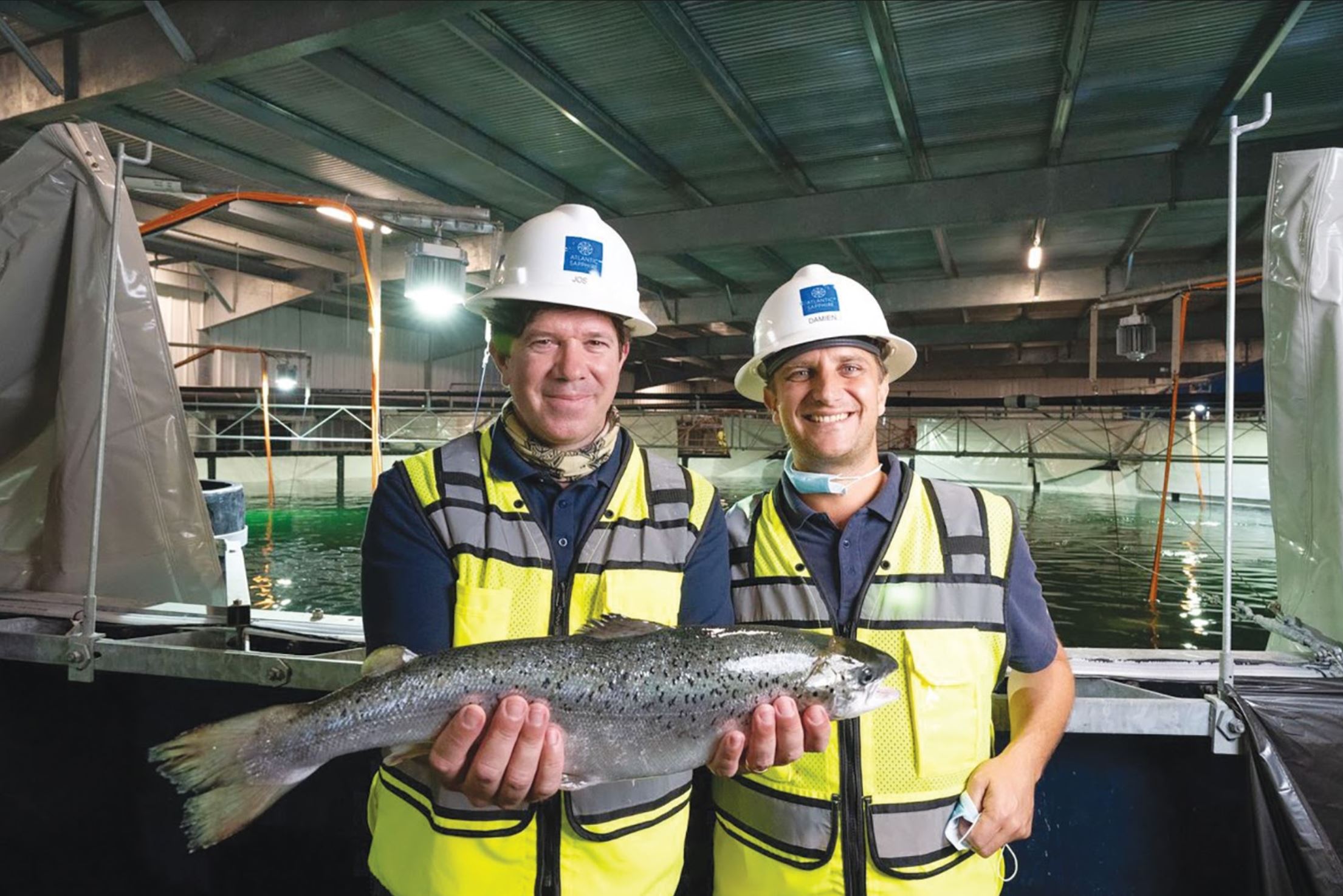 “You think of potatoes from Idaho, lobsters from Maine, and now you’ll think of fresh salmon from Florida,” Atlantic Sapphire’s CFO, Jose Prado told Politico reporter Michael Grunwald. “This will be the new thing because the world needs what we’re doing here.”
Why South Florida? Grunwald learned that the company, after researching 14 states, found the perfect locale here. “In a miraculous quirk of geology, Florida has a fortuitous mix of freshwater, saltwater, and waste underground – like a layer cake,” Grunwald wrote.
“The area’s stratified underground aquifers happen to provide pristine freshwater that can mimic the river stage for young salmon, abundant saltwater that can mimic the estuary stage for mature salmon, and a boulder zone where wastewater can be disposed of safely,” he wrote.
Noting that the wild salmon catch has been flat for the past 30 years, Grunwald said, “Aquaculture is an exciting option because these salmon leave less impact on our oceans and forests and less of a carbon footprint.”
This is a theme echoed by Atlantic Sapphire and touted by Dr. Paul Wills of FAU’s Harbor Branch aquaculture research programs. Wills says, “Of course it’s unusual to grow salmon in South Florida. But, this land-based recirculating aquaculture system (RAS) gives complete control over the fishes’ environment. They can control what goes in and that influences what goes out.”
Like the salmon itself, which overcome all obstacles to swim upstream, Atlantic Sapphire will have to overcome its own obstacles, including COVID-19, to go from zero to producing half of the U.S. salmon diet over a four-phased plan.
According to Prado, since the pandemic began in March, limited operations and construction completion have continued and the company made an “extraordinary effort” to implement health and safety measures.
According to the Miami Herald, the company plans to produce 95,000 metric tons of fish by 2026 and 220,000 metric tons by 2031, and plans to price its fish at a price point 20 percent above market.
“Our Bluehouse salmon, raised in Miami, is a game-changer for U.S. seafood production,” Prado said. They also project to generate approximately 31,000 jobs by 2030, paying wages higher than those typical for the region.
“Atlantic Sapphire is an innovative company bringing new jobs and new technology to our region,” says Miami-Dade County Mayor Carlos A. Gimenez. “Did you ever imagine South Florida would serve as the world’s largest site for salmon production?”
“The facility is expected to bring in a capital investment of $340 million to South Dade,” says Gimenez. “In these uncertain economic times, innovation and job creation will be even more important to Miami-Dade County.”
By Jan Engoren