Engaged Couples: August 2020

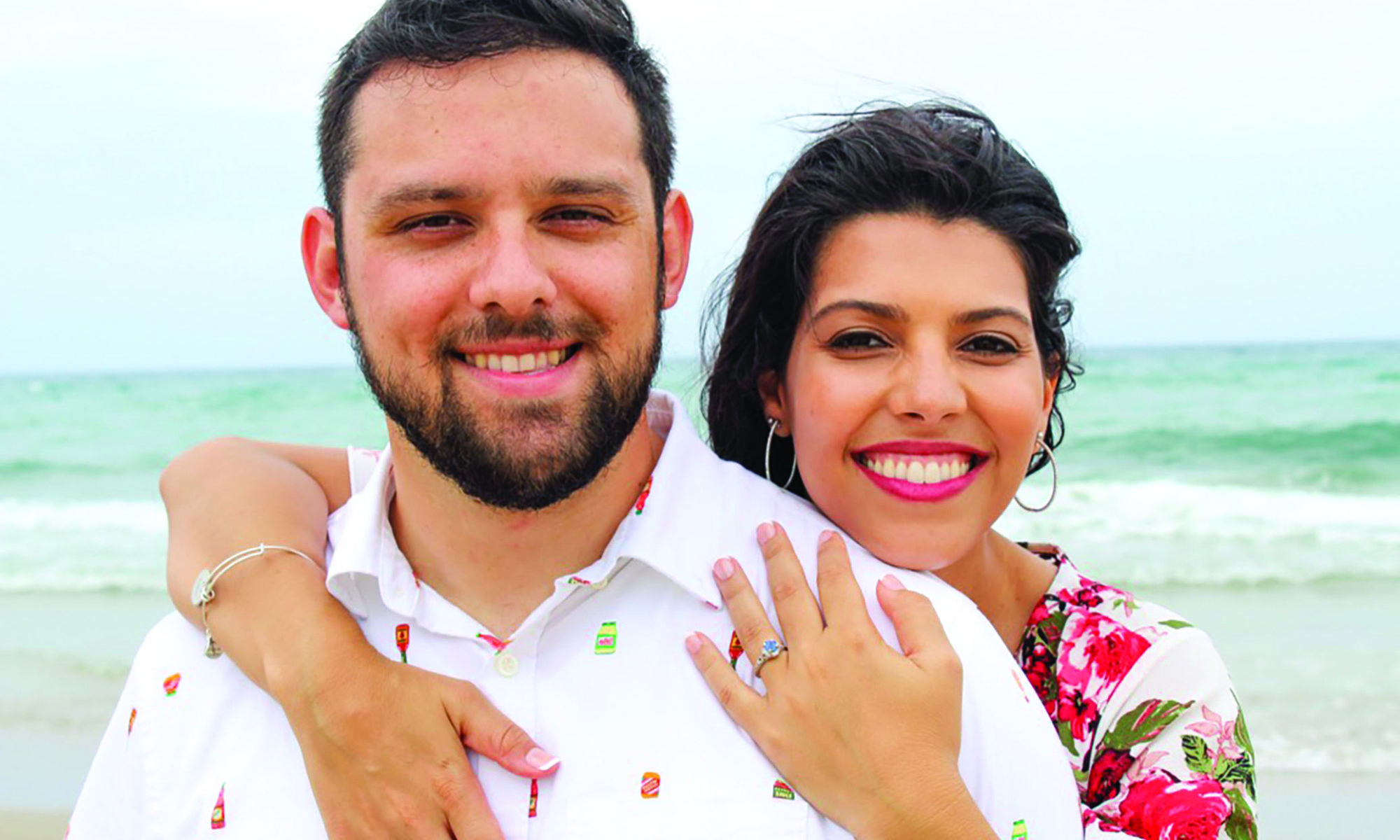
Karina DiGregorio, of Boca Raton, and Ryan Zelaya, of Zephyrhills, plan a January 3, 2021 wedding at The Addison in Boca Raton.

Karina went to college with Ryan’s cousin, Suzie, who thought the two would be great together. Apparently, she was right. When Suzie learned Karina was going home to Boca in the summer of 2015 and that Ryan would be staying in school at FAU for the summer, she set the two up for coffee.

Their first date was a walk on the beach where they watched a mother turtle bury her eggs.

Four and a half years later, Ryan proposed to Karina. We don’t know what happened with the turtle eggs.

The proposal came at a New Year’s Eve Party. The ring Ryan ordered hadn’t arrived, but when the ball dropped in New York City, Ryan dropped to one knee, offered her a “promise ring” he bought that day and popped the question. Ryan had a friend standing by camera-ready to capture the event.

The actual ring was to arrive a week later and Ryan insisted Karina stay home all day to meet the UPS delivery man with the precious package. Turns out, when the doorbell finally rang, Ryan WAS the UPS guy, carrying flowers, the ring, and another proposal. So how sweet is that?

They SCUBA dive together, cook, and go on long walks, purposely leaving all technology behind. They plan to honeymoon in Hawaii, where they will dive, snorkel, and explore the underwater world.

Ryan is a test engineer for Sensormatic. Karina is a proofreader and operations assistant at the Parklander magazine.
Maybe you’ve heard of it.

Kristina Nunez, of Coconut Creek, and Javier Garcia, of Fort Lauderdale, will be wed this Nov. 21 at St. Anthony’s Catholic Church in Fort Lauderdale, followed by a reception at Deer Creek Country Club.

The couple met in September 2016 through a dating app and Javier proposed in New York’s Central Park 2 1⁄2 years later. He hired a photographer to capture the moment.

The couple enjoys dancing, going to the movies, exploring new restaurants, and traveling. They both enjoy just spending time together, regardless of the activity.

The couple hopes to honeymoon to Europe after the pandemic is over, exploring new places and cultures.

Both are teachers with Broward County Public Schools. Javier teaches high school and Kristina, elementary school.

Parkland Life: Time to recreate myself again

Whenever I look at my Apple Watch it says No More Events Today! As the pandemic accelerates in Florida, and since I am in the age group that is considered the most at risk, I remain sequestered at home. I go into stores for necessities, sometimes a couple of times per week, but most of the time not at all. My hair, as I have said before, is still
the one thing that I feel is important enough to make me risk exposure. I have returned to the salon to have my hair colored, cut and for a keratin treatment. Silly, but true. I no longer have manicures and pedicures, but do my nails myself. My nails aren’t nearly as pretty, but it does suffice. Shopping, game playing, volunteering, classes, social events, travel and all other daily excursions are gone. I recently said to a friend that I feel as if life is simply passing. Besides looking at the time on my watch, I check the day and date and am constantly amazed that the months have steadily passed.

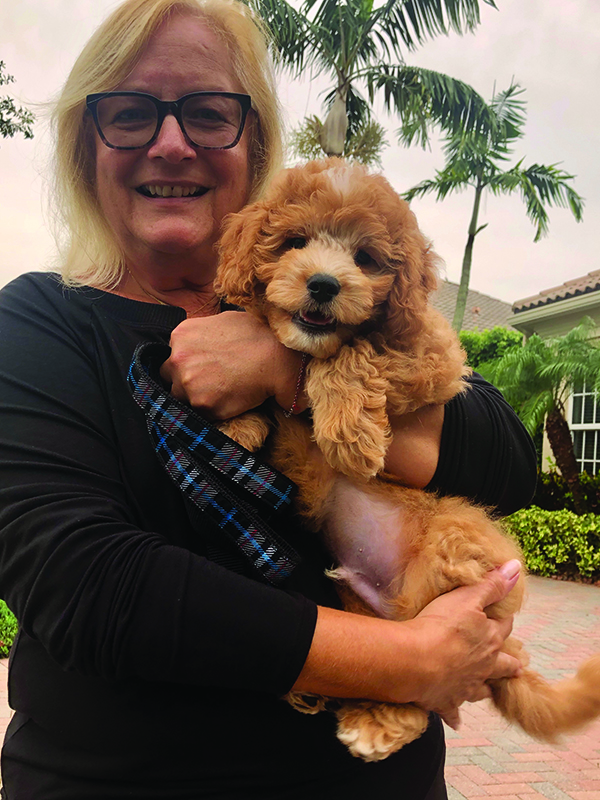
I am not complaining (much). I am lucky to have Mickey Booboo growing daily as he fills our home with joy, love, and laughter.
I am lucky to have friends that I speak with regularly and sometimes have socially distanced, outside get togethers. I am lucky to have family that I FaceTime with daily. I am lucky to have Neil to share this strange and scary time with. But with all of that, I still see my life going by with days that are the same and often lack focus and purpose.

At 69, I expected the next few years to be filled with travel while I am healthy and agile. I expected to go back and forth to New York to see my family and share in all of our grandchildren’s small and large milestones. I expected to enjoy my volunteer work, theater, and daily activities. All of these things have been put on hold.

Younger people are continuing their lives more completely. Some are able to go to work, or work at home. Some choose to still travel and enjoy outdoor activities. While stymied by the virus, they are able to weigh their risk/reward ratio more leniently than I do.

When can I change my risk/reward decisions?
After another month? Few months? After a year? I am not sure if there is an answer to this, but if no vaccine or effective treatment is created, how long can I live in this pleasant but boring limbo? I know I am lucky, but my optimism is running thin.

I need to create a way, beyond Mickey, to be productive enough to be happier. There have been a number of times in my life when I felt the necessity to recreate myself to achieve a fuller and happier life.

I changed careers mid- stream. I got divorced and remarried in my mid-fifties. I retired and started a whole new life in Parkland in my sixties. Each time it took thought, faith and hard work to begin again. But each time the daily life that followed was far happier than the one before I made changes. I now recognize that this is a time to do it again, this time in my seventies. Life will never return to what it was before the pandemic, but I have the power to think this through and work hard to achieve a change for the better. Stay tuned, I am working hard on this and hope to find my way soon.

By Jill Vogel

SoFlo GARDENING

What to Plant

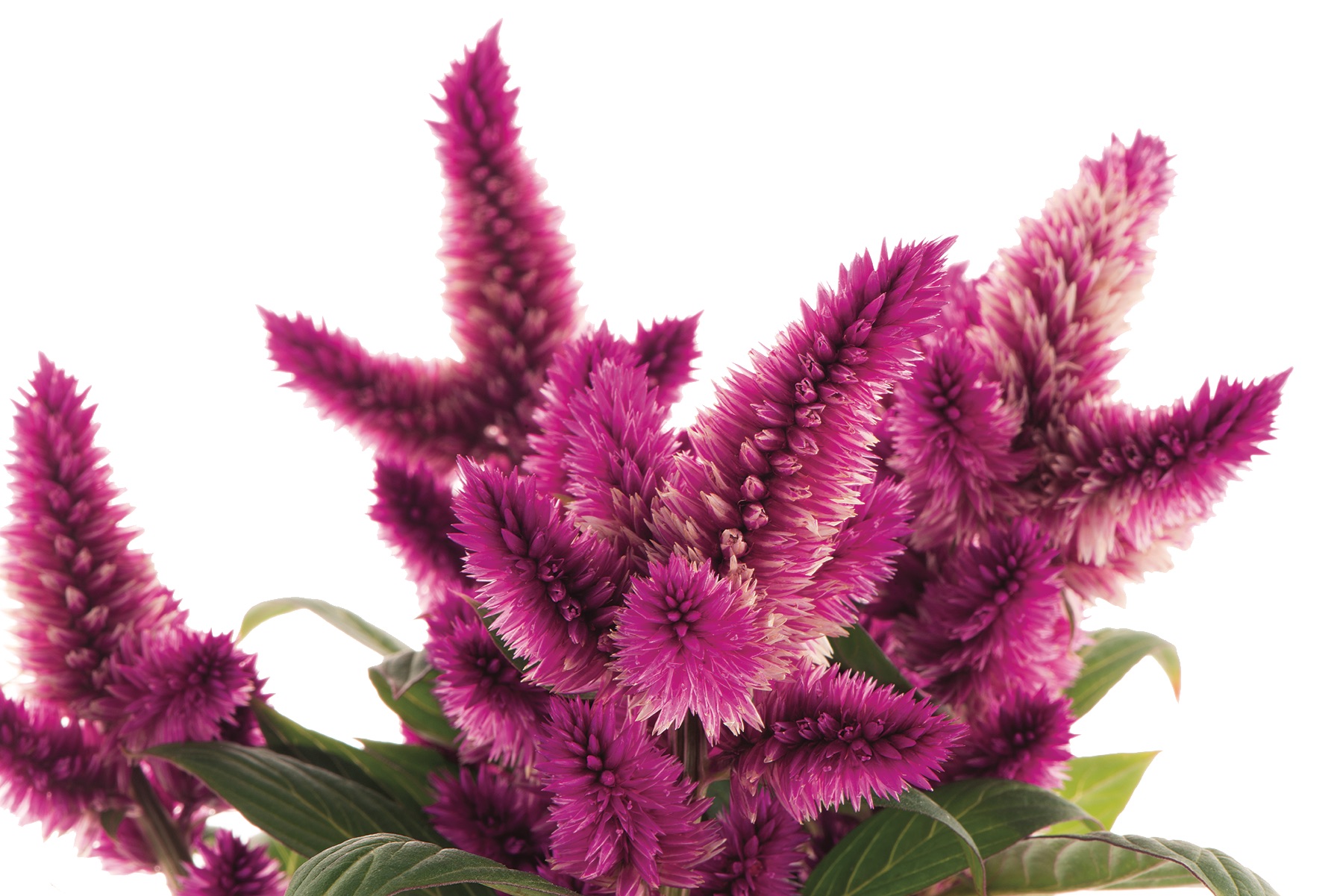
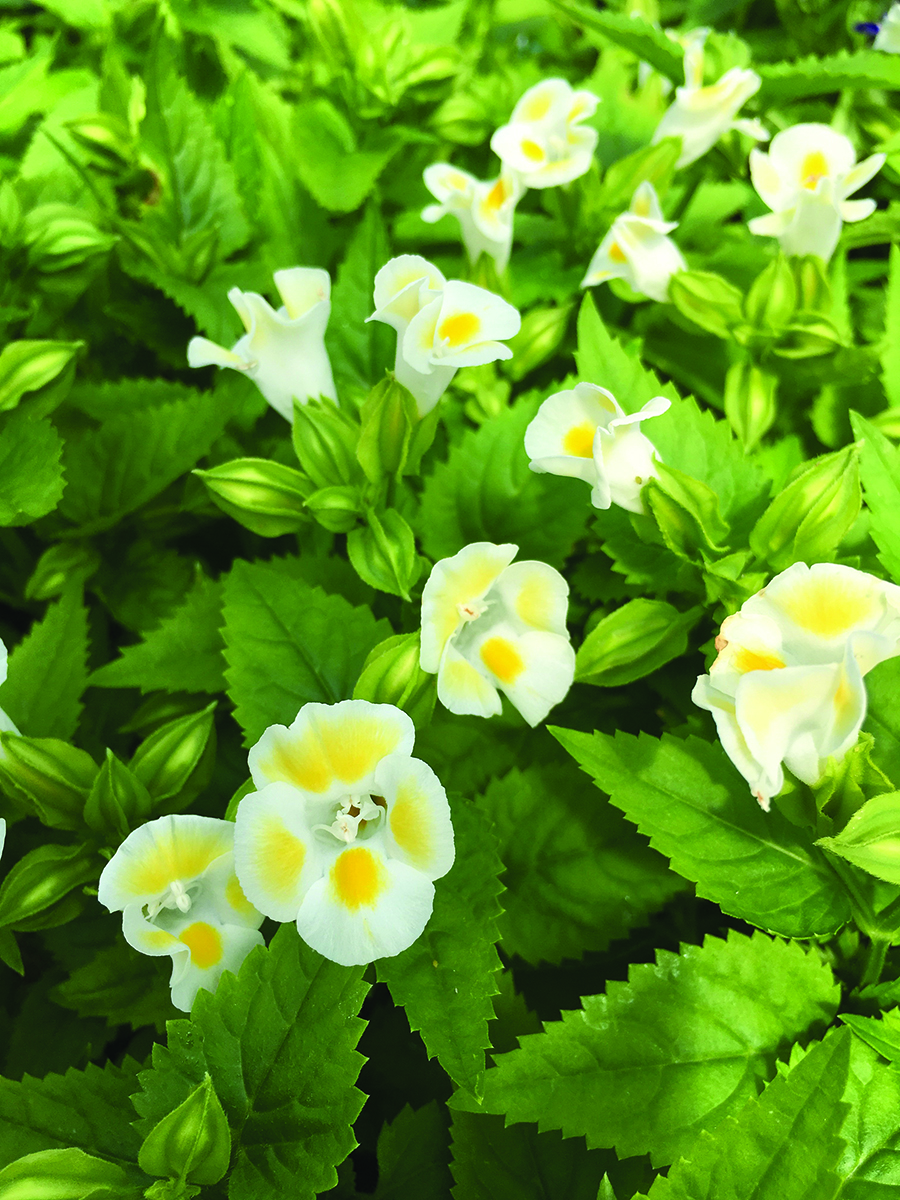
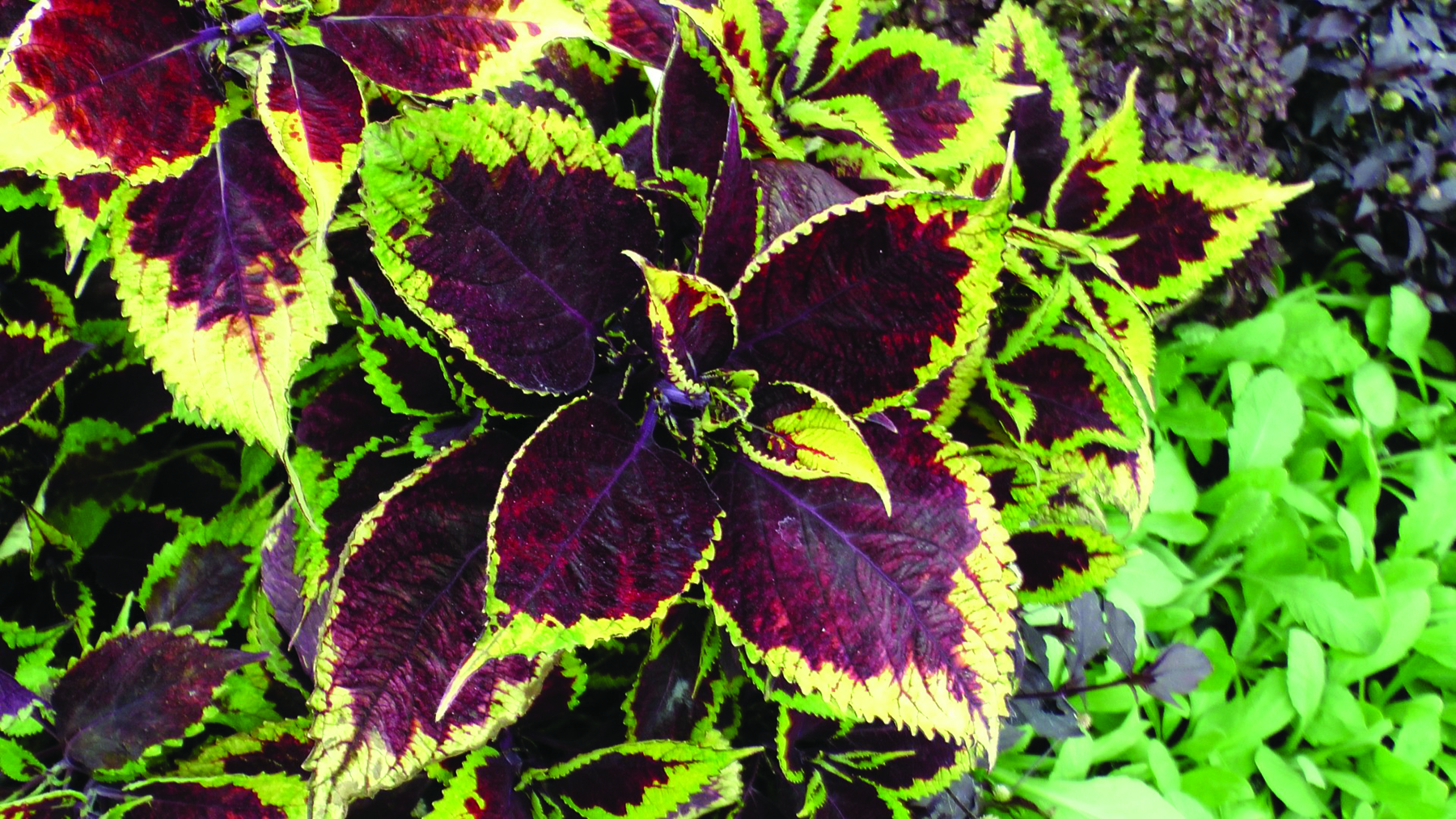
Annuals/Bedding Plants: Summer annuals to plant now include celosia, coleus, torenia, and ornamental peppers.


Bulbs: Butterfly lily and gladiolus are bulbs that can be planted during the middle of summer.

Herbs: While summer is too hot to start herbs from seeds, many, such as oregano and mint, do well if started from small plants.

Vegetables: Plant tropical vegetables, such as boniato, calabaza, and chayote this month.

Palms: Continue planting palms while the rainy season is in full swing. Support large palms with braces for 6–8 months after planting. Do not drive nails directly into a palm trunk.

What to Do

Pests on Lawns: Determine the cause of any lawn problems before taking action. If an insect is the culprit, treat only the affected area. Rule out disease or sprinkler malfunction.

Fertilizer Bans: Numerous municipalities in south Florida prohibit the application of fertilizer to lawns and/or landscape plants during the summer rainy season (June– September). See if such an ordinance exists in your area.

Vegetable garden: Use summer heat to solarize
the vegetable garden for fall planting. It takes 4–6 weeks to kill weeds, disease, and nematodes, so start now. See Soil Solarization: edis. ifas.ufl.edu/topic_soil_ solarization.


Pests on ornamental plants: Inspect the leaves of ornamental plants for small white dots that may indicate lace bugs at work. Spray forcefully with water to help control this pest.

Tropical fruit trees: Check for damage to fruit or leaves and take action to minimize the effect of insects and/or disease on developing fruit or the overall health of the tree.

Source: University of Florida IFAS Extension


Fine wine from a total solar eclipse

It took almost one thousand years for the vineyards in Burgundy, France,
to become dedicated to specific varieties, and it was the Pinot Noir and Chardonnay that became the masters of that fiefdom. When winemaking got started in California, the vintners planted anything and everything that they could lay their hands on. Among those early vintners was a faux Hungarian Count, Agoston Haraszthy, who is often credited with bringing to California most of the grape vines that have found a home there.

It has taken our vintners only 150 years and modern science to determine what grows best and where. Once the best locations were determined, American vintners began to make wine. American grapes, however, were not mirror images of their French parents, and winemakers had to discard French winemaking techniques to develop new ways of turning finicky grapes into exceptional wines.

Among the myriad of producers of Pinot Noir and Chardonnay wines, only a few have mastered those grapes and are producing outstanding wines. I recently had the privilege to sample some wines from one of those latter-day vintners, Gary Farrell. The grapes for all these wines were picked on August 21, 2017, the day of a total solar eclipse.

2017 Olivet Lane Vineyard Russian River Valley Chardonnay ($45).

The wine is outstanding and memorable. If you are seeking a carbon copy of a French Montrachet, you will be disappointed, as this wine is
a true child of California. The aroma of apples, peaches, and pears are intertwined with notes of fragrant summer flowers. I believe that this wine will set the stylistic direction for better Chardonnays for years to come.

2017 Russian River Valley Pinot Noir ($45).

The grapes for this wine were sourced from seven of the top vineyards in the Russian River Valley. The fruit from each vineyard adds its own nuance to the final blend, resulting in a delicately scented and brightly flavored wine. Cherries, both the fruit and the blossoms, dominate the aroma along with vanilla and toasted nuts. This is a wine that should not be taken for granted. It is a grand example of what a fine, well-made California Pinot Noir should be.

2017 Russian River Valley Chardonnay ($35).

This wine was made from the grapes of famous vineyards in the Russian River Valley. The wine displays the aroma of lemon, melon, peach, and pear with hints of green tea, jasmine and two of my personal favorites, arugula and wasabi. These flavors continue on to the finish where they mingle with tropical fruit and apple. This wine has an incomparable and unforgettable silky finish with hints of flavors that I have never before experienced in a Chardonnay.

It is customary to serve white wines slightly chilled. Unfortunately, all too often, the wines are served too cold so their characteristics become muted. If the wine fogs the glass, it is too cold. Twenty minutes in the refrigerator should be more than enough.


By Bennet Bodenstein 

Rewind: Keeping seniors connected with loved ones during times of isolation

The Alzheimer’s Association has partnered with the State of Florida’s Department of Elder Affairs to keep seniors connected with loved ones during social isolation. Through Project: VITAL (Virtual Inclusion Technology for All), senior-friendly tablets from engagement technology provider iN2L will be distributed to nursing homes and assisted living facilities (ALFs) throughout the state.

“There are more than 580,000 people in Florida living with Alzheimer’s and related dementias. Approximately two-thirds of the people living in ALFs have some form of dementia,” said Alzheimer’s Association Florida Regional Leader, Angela McAuley. “Project: VITAL has provided the Association the opportunity to extend our reach to not just those living with dementia, but to all seniors in Florida who are vulnerable to the negative effects of social isolation.”

During the pilot phase, the Alzheimer’s Association will work with 150 care communities, 40 of them in South Florida, supplying two tablets per community, as well as virtual training on how to use the equipment and platform. The tablets are preloaded with software programming from iN2L, enabling residents to connect with their loved ones via video chat with a simple tap on the home screen.

The tablet further fosters connection with family by creating individual profiles for every resident, with the added ability for family to add personal photos and videos to those profiles for residents to view whenever they like.

Also included on the tablet is an easily-personalized library of applications that supports cognitive, emotional, social, physical, and spiritual wellness for the ultimate person-centered engagement experience.

“We are excited to be working alongside the Alzheimer’s Association to provide the technology and tools for Project: VITAL.” said Lisa Taylor, iN2L CEO. “We know how important meaningful connection is to older adults’ health and well-being, and during COVID-19, it is absolutely critical.

“Our tablets are a connection care package for senior living residents, equipped with one-touch video chat tools for virtual family visits, as well
as over 1,000 content applications to connect residents to their interests and passions – all designed to keep them healthy, happy, and entertained during these uncertain times and beyond. We are thrilled that more seniors in the state of Florida will benefit from this solution,” she added.

“We’re hoping the use of these customized tablets will facilitate critical connections with the families, especially during these times – but, we want to use them for sustainable models for the future,” said Richard Prudom, Secretary of the Florida Department of Elder Affairs. “We want to ensure the safety of our vulnerable seniors while keeping their loved ones connected.”

The first 50 tablets were shipped on Friday, April 24 with the remaining 100 tablets on May 1.

Pandemic Parenting – Making it up as we go along

Think back to the beginning of the year. No one would have predicted that our children would be graduating in our living rooms; that summer camp, family get-togethers and beach days would be so oddly different.

For many, this change to a virtual existence has been difficult. Children thrive from social engagements, which makes this a time of great struggle and stress. Children’s brains develop through play and learning social skills. They learn boundaries and empathy through playing side by side with others, a scenario impossible to re-create through a video chat! So how do we fill the void for our children while maintaining social distancing?

Growing up, I had our summer ritual down pat. Days spent with family and friends, summer camp, vacation on Sanibel, school clothes shopping. It had a rhythm and regularity. This is the time to revisit your summer rituals and revamp them for COVID-19. Rituals are important for family cohesion. Resurrecting a custom from your childhood might be the answer. Unearth photo albums from your childhood and your children’s. Share stories and bring the past alive. Create a new rhythm for summer with family dinners, game time, and movie nights to help children connect with the family.

When we ask children to make a choice, they feel more empowered and in control. That’s a good thing. If we give kids choices, they have a set list of options to choose from. What they don’t have is an endless list of options you don’t want them choosing. “Are we going to the beach at 9 a.m. to beat the crowds, or are we playing in the sprinklers today?” Did you notice two choices with limits? If your child counter offers with a Disney trip, ice cream for breakfast or some other extravagance, it’s fine to pass. Just because your child wants something, it’s OK not to give it to them. Even when life is weird or stressful!

Just remember – you’re a great parent doing the best you can during a difficult time. You got this!


By Maria Berger

Maria Berger is a licensed mental health counselor and a registered art and play therapist. Her practice, Berger Counseling Services, is located in Parkland. Maria has been serving children, teens and families for over twenty years.

Sourdough Passion


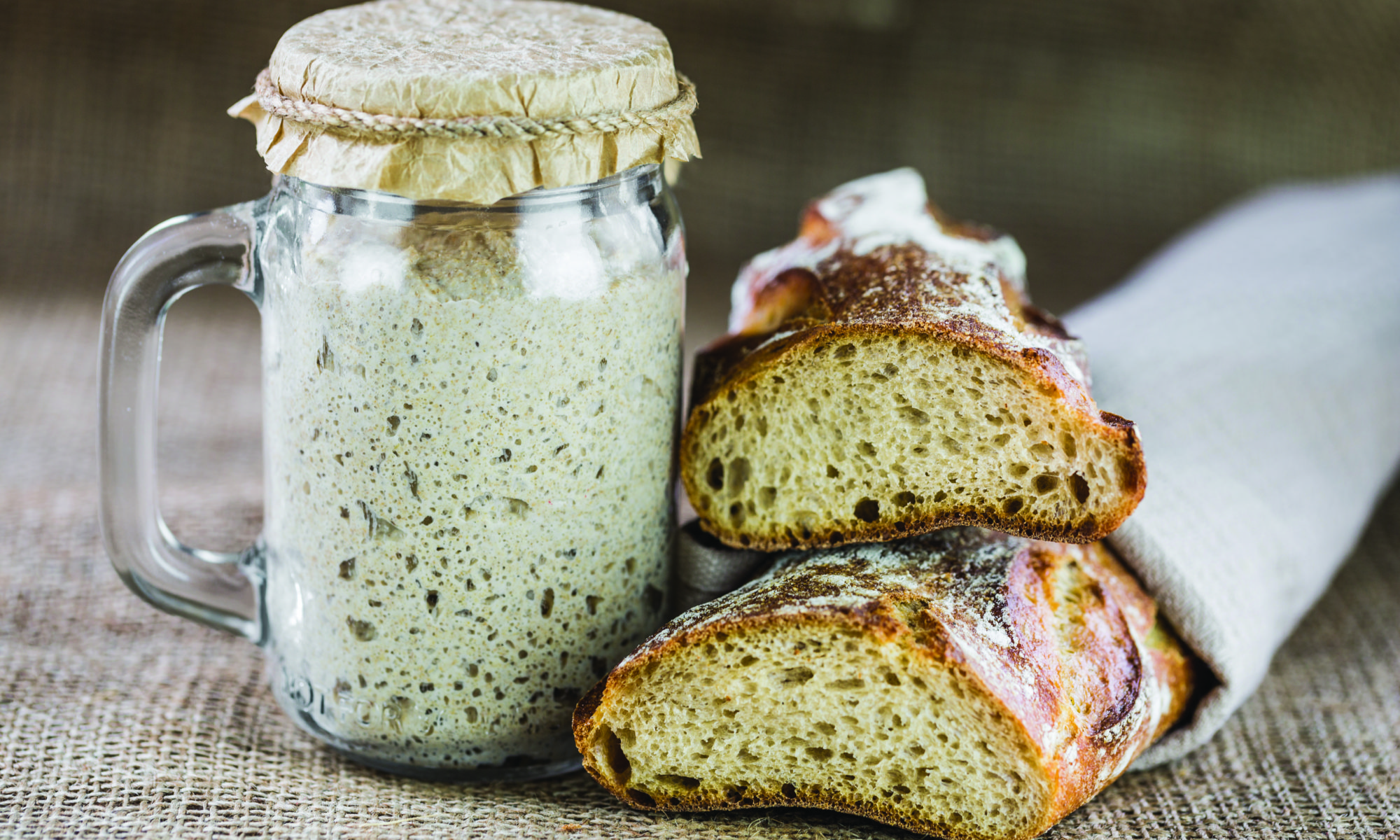
Microbes that we cannot see live around us. One newcomer, COVID-19, has caused all of us to huddle in our homes. This allowed me to reconnect with my sourdough starter, which consists of a combination of yeast and probiotic bacteria.

I love bread. In the world where you are often told to go light on carbs, what was once my go-to food item has become an indulgence. When I was researching healthy bread, to justify eating more of it, I found sourdough.

Only in the past hundred years has fast rising yeast and store bought bread became a norm in our lives. For thousands of years before that, making bread was a daily activity, where master artisan bread makers used what we now call the sourdough process to make bread.

The rapid rise yeast, which is used for most of the bread we eat, allowed us to make great looking bread quickly. The sourdough starter, a living culture of many microbes, requires patience to work with, and doesn’t often give as consistent a result as fast rising yeast.

A homemade sourdough bread, with its tangy flavor, along with the satisfaction of seeing it rise (when you are successful), is very gratifying. It’s also one of the healthiest bread choices you can have.

For many years, I had been nursing a sourdough starter, supposedly from a San Francisco bakery. Oftentimes, when life got busy, I neglected it in my fridge, as you only need to feed it once a week in the chilly climate. But when you let it thrive on your countertop, it comes alive with a ferocious appetite, requiring usually twice a day feedings.

During the shutdown, when all the local fine establishments were closed, I reconnected with my love for making sourdough bread, like many in the country, to satisfy my taste buds.

Making sourdough bread is simple. Feed your starter to keep it active and happy. Combine it with your dough in the evening, and an overnight rise will allow you to make a fresh loaf in the morning.

My starter loves the whole wheat flour I source from the prairies of Montana and the Dakotas. Within hours of feeding, large bubbles are created, like magic. It’s these air bubbles that will give your dough the bulk, and when healthy can double or triple your original dough size.

The special flavor that you don’t find in non- sourdough bread, comes from the bacteria that lives in the starter, symbiotic with the yeast. These organisms convert the
simple sugars and carbs in your flour into gut-friendly prebiotics, and lowers the glycemic index of the resulting bread.

Quick advice on sourdough starter

It takes time and luck to create your own reliable sourdough starter. After trying unsuccessfully several times, I found that a starter sourced from a bakery is best. You can usually request it from your local baker, or order them online.

Once you have your starter, you need to maintain it. You will need to regularly discard 1⁄2 of your starter, then add equal amounts of flour and filtered water by weight to replenish. This is best done with a digital scale and a mason jar. Filtered water is required to remove the chlorine in tap water, which inhibits the yeast and probiotics in the starter.

This process needs to be done every 12 hours if you are keeping your starter at room temperature. If you are refrigerating your starter, every 7 days is enough to keep your starter fed and happy.

Happy fermenting.
By Curiously Hungry

SoFL Gardening June 2020: What to Plant

What to Plant in June

Annuals/Bedding
Plants:
Annuals that can take full sun during the increasingly hot summer months include celosia, portulaca, vinca, and some coleus.  

Palms:
Summer’s warm, rainy months are the perfect time to plant palms. Make sure not to cover the trunk with soil.  

Herbs:
Plant heat-loving herbs, including basil, ginger, summer savory, cumin, Mexican tarragon, and rosemary.  

Vegetables:
Plant tropical vegetables, such as boniato, calabaza, and chayote this month.  

What to Do

Pests:
Monitor the landscape and garden weekly for harmful insects. Knowing which insects attack a plant can aid in identification and treatment.
See
Landscape Pest Management: edis.ifas.ufl.edu/topic_landscape_pests

Irrigation:
Watch for drought stress and water as needed if rainfall has been spotty. Focus on new plantings and follow watering restrictions. When rains begin, shut down the irrigation system. 

Propagation:
Produce more plants by air layering, grafting, division, or cuttings.
See
edis.ifas.ufl.edu/topic_garden_propagation

Palms
and
cycads:
Watch for nutrient deficiencies or other problems and use an appropriate treatment.
See
edis.ifas.ufl.edu/topic_palm_care

Pruning:
Lightly prune summer-flowering shrubs, like hibiscus, oleander, and ixora, during the warmer months to increase blooming.  

Fertilizer
bans:
Numerous municipalities in south Florida prohibit the application of fertilizer to lawns and/or landscape plants during the summer rainy season (June–September). See if such an ordinance exists in your area.

Lawns:
Check frequently for damaged areas and keep insects in check with early treatment. Determine whether yellow and brown lawn patches are caused by chinch bugs, disease, or lack of water. Take time to determine the cause so your remedy is effective. Rejuvenate areas where grass does not grow well by replacing it with versatile groundcovers. 

Soil
solarization:
Clean up your vegetable garden and solarize the soil for 4–6 weeks to kill pests and disease.
See
edis.ifas.ufl.edu/topic_soil_solarization

Source:
University of Florida IFAS. Extension

Grace Noethen, a ‘legend’ in Parkland

Thirty years ago the Parklander™ magazine came to life, serving the communities of Parkland and Coral Springs. During that period, many in the community have contributed to help it evolve. The staff at the Parklander™ will be profiling local residents in this and upcoming issues, to reflect on the community’s past, present, and what is to come. Just like how the community has grown and thrived, it is our belief that together, we can overcome the current health crisis, and come out stronger still.

Looking back at Volume 1 Issue 1 of the Parklander™, we found some familiar faces, including Realtor Grace Noethen, one of our original advertisers. At the time, she was already a Multi-Million Dollar Club member, and acknowledged “Sales Person of the Year”. Having specialized in luxury and waterfront properties of Parkland, Boca Raton, Delray Beach, Highland Beach, and Fort Lauderdale, she has accumulated many awards for being the leading real estate agent in the area.

Grace did a socially distanced telephone interview with us over the phone recently.

She started her career in New Jersey before specializing in the Palm Beach and Broward area in 1985. She is fluent in Italian and Spanish, having been born in Sicily and spending her early years in Argentina. Her family moved to the U.S. in 1958. Those who know her call her knowledgeable and patient. Many of her clients have said Grace treats them with compassion and makes them feel like part of her family. 

For Grace, her honesty, compassion, and taking care of her clients is always the forefront of who she is, not just as a Realtor. She is always looking to help, so when she was approached to support a new magazine in Parkland in 1991, she was more than happy to.

Her compassion and experience have helped many local residents find homes in the area. Parkland grew from around 1,900 people when she started to well over 32,000 now. Many came to Parkland seeking the same relaxed and rural lifestyle that attracted earlier residents.

Grace remembers the decision to realign Holmberg Road to a southern bend, that all residents are now familiar with, to go around the equestrian center. This was a controversial topic for years in the early 90s, as the city adapted to new developments while striving to protect horse riders from increased traffic. 

The decision to realign Holmberg shaped the development of Parkland. City Commissioner Ken Cutler

shared news articles and city council minutes from the early 90s, showing a community struggling to balance the interest of developers, residents, and environmental agencies. 

Over the course of years and multiple debates, re-alignment was approved and completed. 

Just like that one event shaped the future of Parkland, so has Grace’s efforts to match up people to the right home shaped lives and futures. Drawing upon her knowledge of the area, and her passion for real estate, she has been able to both buy and sell many homes in the area, becoming a “legend” in the industry. Her warm and welcoming personality is the gateway many prospective residents walked through to settle in Parkland. Her ability to find the right home for prospective buyers is confirmed by one of her former clients who writes to her regularly, thanking her for their Parkland home and neighbors.

Parkland today still oozes the charm of its more rural days. As we spend weeks in our homes, it’s good to reflect how blessed we are to live in such a friendly community. To be able to enjoy our farmers’ markets, our drive-in movies, and the equestrian center, is a wonderful gift, and we should all work toward ensuring the character of Parkland stays welcoming for another 30 years. 

Grace’s Web Page

Return to Features List

STAYCATIONING

in Florida’s historic hotels

Staying at a historic hotel is a unique experience filled with old-world charm that transports you to another era. You can enjoy that experience at one of the fourteen Florida hotels that are part of the National Trust for Historic Preservation’s Historic Hotels of America.

A hotel must be at least 50 years old and utilize historic accommodations to be included in the prestigious program. The hotel must also be designated as a historic landmark or eligible for listing on the National Register of Historic Places.

Classic Florida style from the 19th and early 20th centuries pervades in hotels like the jazz-age Colony Club Hotel in Delray Beach. Opened in 1926, its gracious lobby still contains original iron chandeliers, terrazzo floors, and even a manually operated elevator. There, you can lounge in one of 50 pieces of 1920s wicker furniture or head out to the huge veranda to enjoy coastal breezes. Classic cocktails await at the Colony Porch Bar or you shop several boutiques inside. When the waves call, the Club has 250 feet of private beach with complimentary cabanas and chaises for guests.

Across the state, in St. Petersburg, the Don CeSar, affectionately known as the “Pink Palace,” is a Mediterranean-style building opened in 1928. It’s hosted such notables as F. Scott Fitzgerald, Al Capone, and Franklin Roosevelt. During much of the 20th century, the Don CeSar was conscripted into military service as an Air Force convalescent center and eventually a Veteran’s Administration office. It was saved from an uncertain fate and returned to its former grandeur as a hotel in the 1970s after a $7.5 million restoration.

Casa Monica Hotel circa 1900. (Wikimedia Commons)

St. Augustine’s landmark Casa Monica Hotel opened in 1888 and was purchased by railroad magnate Henry Flagler soon after its opening. The five-story Moorish-revival hotel boasts 100-foot towers capped with red tile and an arched carriage entrance showing 19th-century roots. Inside, take time to admire the gold-leafed archways and hand-painted Italian tile. Its 138 guest rooms have Spanish-style furniture, including wrought-iron four-poster beds and mahogany tables. The Casa Monica Hotel was reopened as a historic hotel in 1999 and soon after hosted the King and Queen of Spain. Today, it’s considered one of the finest boutique hotels in the country and St. Augustine’s only AAA Four-Diamond property.

Near the center of Miami Beach’s Art Deco Historic District sits the 14-story National Hotel. When it opened in 1939, the National Hotel was considered one of the grandest hotels on Miami Beach; today, the authentically restored Art Deco property stands as a testament to Miami’s golden era. Inside are treasures like hand-picked Deco-era furnishings, terrazzo floors, and a massive original oak bar, the centerpiece of the hotels’ Blues Bar. You can also enjoy jazz and other live entertainment or take a dip in the 250-foot palm-lined infinity pool. For more information on these or any of the other Historic Hotels of America, visit HistoricHotels.org.

Dolphin Put Color in Summer Fishing

Most offshore anglers in South Florida are focused on catching dolphin in the month of June. The colorful fish — not the mammal — are popular because they fight hard and jump a lot, they can be caught on a variety of baits and lures, and people love to eat them.

Although dolphin are caught year-round locally, this is the time of year when they are plentiful. The bag limit is 10 fish, a minimum of 20-inches long— per person per day or 60 fish per boat, whichever is less. Many anglers keep only enough dolphin for a few meals — the fish are terrific fried, blackened or in tacos — and safely release everything else back into the water.

Late spring and summer are when dolphin are often found in schools ranging from half a dozen to dozens of fish. Locating those schools is usually a matter of locating birds, weedlines, or floating debris.

Weedlines, patches of grass and debris such as tree trunks and wooden pallets, attract baitfish, which attract dolphin. Birds often hover over dolphin, hoping they’ll chase bait to the surface. Like serious bird-watchers hoping to spot a species they’ve never seen before, dolphin fishermen are always on the lookout for frigate birds.

Also known as a man-o’-war bird, a frigate bird has a forked tail and a wide wingspan that allows it to soar over the ocean, then suddenly swoop down to catch a fish with its long, hooked bill. The bird does not dive into the water. Instead, it waits for dolphin to send flying fish and other small fish fleeing to the surface. When a baitfish goes airborne, the frigate zips in and snags it. (A frigate also scores easy meals by harassing other seabirds so that they drop their catch, which the frigate grabs before it hits the water.)

When running offshore, some captains will stop every five minutes or so to scan the horizon with binoculars in the hopes of spotting birds or debris. Others will designate crew members to keep an eye on the sky.

If frigate birds are swooping, that’s a good sign. If birds are sky-high, they’re looking for dolphin, so it might not be worthwhile to race over to them.

“High birds, if they’re way up there, they’re taking advantage of their eyesight to look for something to play with,” said Capt. Bouncer Smith, a legendary charter fishing captain in Miami Beach. “If they’re 200 feet high, they’re probably into something. When they start to dive, then they’re really in the game.”

Smith added that anglers must pay attention to the direction a frigate bird is flying.

“If birds are working to the north, they’re over smaller dolphin or tunas,” Smith said. “If a bird is on good-sized fish, he’s going to be going south, because good-sized fish go against the current. The big dolphin are swimming just fast enough to hold their position in the current — the Gulf Stream is moving north at 3-4 mph — and eat what comes by.”

Smith, who runs charters out of Miami Beach Marina on Bouncer’s Dusky 33 (CaptBouncer.com), said anglers need to get ahead of a frigate flying south to have a shot at catching the dolphin the bird is following. If they stay to the north of a south-flying bird, the fish have already passed their boat.

“A lot of times when you’re on frigate birds, you’ve got to wind the lines in and get ahead of the frigate and let the dolphin catch up to you,” Smith said.

Once his boat is in position, Smith rigs two spinning outfits with live baits — pilchards, goggle-eyes, small blue runners, or cigar minnows — hooked through the nose. He has his anglers cast the baits 50-100 feet behind the boat. They leave the reel bails open and control the lines with their index fingers while Smith idles ahead of the bird.

“When a fish eats, give him a short drop-back, close the bail and wind,” said Smith.

Once you’re hooked up, it’s not unusual for the rest of the school to appear behind the boat. That’s when fishing can get frantic, with multiple anglers fighting fish and trying to not tangle their lines. Like a choreographer, Smith often has to tell anglers to go over or under another angler’s line.

To keep dolphin around the boat, many anglers leave one or more hooked fish in the water, which attracts other dolphin. When the next fish is hooked, the first one can be boated, and so on. If, after you’ve boated several dolphin, the school disappears, try splashing the water with a gaff to get the fish to return because it sounds like a feeding frenzy that they’re missing out on.

When the schoolies are solid behind the boat, you can catch them on dead bait, jigs, topwater plugs, and even flies. Smith recommends buying a 1-pound box of squid and casting the 3- to 4-inch baits to the fish. A one-ounce kingfish jig retrieved as fast as possible also entices strikes from dolphin. But Smith’s favorite way to catch schoolies is on a fly rod. “Better too small a fly than too big a fly,” said Smith, adding that yellow is an effective color. It also helps to toss out a few glass minnows every once in a while, to keep the fish turned on.

Striving for Peace – One Step at a Time

For more than a decade, area residents have literally taken steps to bring about peace.

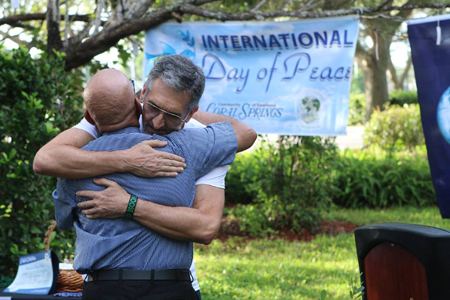
Each time Coral Springs’ Silent Peace Walk participants gather, once a month, early in the morning, to walk for peace, leader Audrey Ehlin reminds them how small steps can lead to a larger impact. Specifically, peace within their hearts can lead to peace within their families. Further, a peaceful community can spread to neighborhoods, the nation and the world.

Ehlin, of Coral Springs, as well as others gather at 7 a.m. on the first Saturday of every month at the International Peace Garden, located behind the Coral Springs Center for the Arts. Birds chirp and one can hear the soft sound of tree branches swaying in the breeze, but for the most part, quiet reigns. Folks move forward in a single-file line for about 20 minutes. Ehlin estimated the walks attracts anywhere from seven to 20 people.

“I believe one person at a time can make a difference,” she said.

Making a difference was on Coral Springs resident Piero Falci’s mind when one day, back in 2006 or so, he was watching the news. A horrific scene was unfolding in the Middle East, as a conflict between Israel and Lebanon raged.

“I saw images on TV of this man, about my age, in a residential area where bombs had fallen,” Falci said. “His house had been hit by a bomb and neighbors were removing the rubble to retrieve the bodies of his wife and two sons. I immediately thought about my family. I, too, have two sons.”

Falci heard an inner voice: What are you going to do?

What can I do? he wondered. After all, he was halfway around the globe. “But I was deeply touched, and the command to do something persisted,” he said.

At the time, Falci also was reading books about peace. An idea sprang to mind: He should start a peace walk. When Falci approached Coral Springs city officials with designs for a monthly event at the International Peace Garden, “the idea was received with enthusiasm,” he said.

“Many people ask why we do it,” added Falci, author of the book Silent Peace Walk: From Inner Peace to World Peace. “It is our belief that cultivating inner peace will help bring peace to the entire world.

“We think a lot about the survivors (of tragedies), and their pain, and our heart aches for them. In a way, in the middle of the beautiful International Peace Garden, we bring to our awareness how fortunate we are for living in a safe environment, and we compassionately connect with those who don’t have the same safety and comfort.”

Elizabeth Velez, of Tamarac, has participated in the peace walk since 2011. She said doing so not only brings her inner peace, but lets her meet like-minded people who enjoy connecting with nature.

For Coral Springs vice mayor Joy Carter, each time she makes the trek, she notices something different within the garden – different colors amid the foliage, for instance.

Among the garden’s permanent features is a peace pole bearing the words “May Peace Prevail on Earth” written in several languages. “I find it’s a really good way to start my day,” Carter said. “It just brings a balance to my persona, my soul. It keeps you centered.”