
Pelican Harbor Seabird Station Nonprofit celebrates 45 years and 45,000 animal rescues

Pelican Harbor Seabird Station (PHSS) is Miami’s premier native wildlife hospital, which over time has evolved into a world-class wildlife rescue, rehabilitation, release, and education center. This nonprofit organization, now in its 45th year, is an internationally recognized seabird rehabilitation center that has rehabilitated and released more than 45,000 native animals.

Like most nonprofits, PHSS started with humble beginnings. In 1980, PHSS founders Harry and Darlene Kelton lived on a houseboat and had no experience in animal care. After moving their houseboat to the Pelican Harbor Marina, they found an injured brown pelican, removed a fishhook from its mouth, and decided to nurse it back to health.

When people learned of what the Keltons had done, they started bringing injured pelicans to their houseboat. What began as a love of pelicans quickly grew into a larger calling.

As more and more people began bringing injured pelicans and other animals to them, the Keltons knew it was time to expand, to create a real rescue and rehabilitation center. Others got involved, with the Miami-Dade Parks Department providing land, and in 1992, Miami-Dade County built the organization’s current facility, which is part of the Pelican Harbor Marina.

In 1996, former Executive Director Christopher Boykin led the effort to expand PHSS’s patient intake beyond seabirds to include all Florida native species, with the exception of rabies-vector animals such as racoons and foxes, as the facility did not have space to safely quarantine them. In 2023, PHSS treated more than 2,000 animals spanning 131 native species.

The Keltons remained involved with PHSS their entire lives and were known for helping revolutionize the rehabilitation and care of brown pelicans. Harry and Darlene developed a special medical procedure called “the cotton fish,” where they would stuff fish with cotton balls and feed them to a sick pelican with a hook in its stomach. Once the fish was digested, the cotton would cover the fishhook, and in many cases, the pelican would regurgitate it.

“We still use the cotton fish technique,” says Renata Schneider, DVM, a staff veterinarian at PHSS. “I would guess that it works 50% of the time. It’s noninvasive, so we always try that first. Then if we have to do a manual or surgical removal of the hooks, at least the metal is wrapped up in cotton.”

In October, PHSS will move to a new location along the Little River (about five minutes away from its current location). The new Wildlife Hospital and Education Center is 14 times larger than the current facility and will feature more ambassador and rehabilitation pens, a center for hosting school groups, natural history exhibits, and a manatee viewing location.

“At the new building, we plan to dramatically expand our educational programming as we will finally have space on-site to welcome larger groups of children and adults,” says Marianna Niero, PHSS’s communications manager. “We are planning enhanced tours, hands-on experiences, lectures, day camps, and other programming. The additional space will also allow us to offer more volunteer opportunities of various kinds, all with the aim of creating opportunities for people to connect with our native wildlife and to the ecosystems of South Florida.”

As PHSS has grown, it’s remained committed to its mission of improving the lives of sick, injured, and orphaned native wildlife with the goal of releasing healthy animals back into the ecosystem, enabling future generations.

One of PHSS’s recent rescues was a great blue heron white morph, a rare, federally protected bird that was a victim of animal cruelty. A fisherman threw a rock at it and broke its wing. The bird required multiple surgeries, but they were able to rehabilitate and release it. “The bird’s wing looks droopy, so we still get calls from people thinking it’s injured,” says Niero. “It’s nice because usually when we release a bird we don’t know how it’s doing. But because of these calls, I know it’s still there and doing well.”

According to Niero, more than 90% of the animal injuries PHSS sees are because of humans, and 70% of seabird injuries are from improper disposal of fishing equipment. “It might be cruelty, a car accident, pollution, or loss of habitat because of overdevelopment,” explains Niero. “That’s why it’s important to support organizations like ours. We owe it to wildlife because we are taking so much from them. They have no space and their environment is so polluted because of us. We should give back as much as we can.”

Some of the animals that cannot be released back into the wild become ambassadors for PHSS and help with education and outreach programs. One such ambassador is Mowgli, a female screech owl that fell from the nest as a baby and was attacked by a cat. The attack left her with a permanent injury to her left wing that makes her unable to fly properly and therefore unreleasable.

In addition to being an ambassador, Mowgli is also a teacher, training young screech owls how to hunt. “When we raise orphaned baby screech owls, before we release them, we have to make sure they know how to hunt and survive in the wild,” explains Niero. “We put Mowgli in an enclosure with the young owls, and we release mice. Thanks to game cameras, remains, and by weighing the owls, we can tell if they are learning. We call this ‘mouse school,’ and once they pass mouse school, they are cleared for release if everything else is fine with them.”

PHSS also has a library program called “Books with Mowgli,” where children can meet Mowgli and learn more about owls.

In addition to its educational programs, PHSS is open to the public as well. Free tours are available Saturdays at 11 a.m., and self-guided audio tours are available Monday through Friday from 9 a.m. to 5 p.m. For a more in-depth experience, guided “Behind the Scenes” tours are available and must be booked in advance.

For more information or to get involved, visit PelicanHarbor.org.

Back to school without the breakdown: A parent’s guide

Summer flew by in a blur of sunscreen, pool days, and late bedtimes. Now it’s August, and the back-to-school countdown is on. Whether your child is starting kindergarten, heading into middle school, or gearing up for high school, the shift from summer mode to school mode is real. And while the kids are the ones picking out backpacks and supplies, parents are along for every step of the ride.

Before the chaos kicks in, take a moment to breathe. We’ve put together this practical, no-nonsense guide with tips from local parents and teachers who’ve been there. It’s everything you need to start the school year feeling a little more ready—and a lot less stressed.


  1. Start Bedtime Boot Camp

As the first day of school gets closer, it helps to gradually shift back to earlier bedtimes and wake-up times. Starting this a week or two in advance can make the transition smoother for everyone. Getting back into a routine now can mean less stress—and fewer struggles—once school mornings begin.


  1. Keep the Drop-Off Line Moving

A quick reminder: The car line is meant for drop-offs, not long chats. Staying efficient helps everyone get through the morning smoothly—especially those on a tight schedule.


  1. Master the Art of the “Grab-and-Go”
    Breakfast doesn’t need to be fancy—just functional. Think yogurt tubes, banana muffins, overnight oats. Anything they can eat one-handed while looking for a missing shoe.


  1. Buy Twice the School Supplies
    Glue sticks vanish. Scissors walk away. Crayons break on impact. Buy extra while it’s cheap and hide a backup stash somewhere safe (a.k.a. where your kids will never look).


  1. Establish the After-School Game Plan
    Whether it’s sports, homework, or general decompressing, having a rough routine helps prevent that 3 p.m. chaos from turning into full-blown meltdown hour—for both of you.


  1. Set Email Boundaries
    At the elementary school level, you’re going to get emails. Lots of them. From teachers, the PTO, class parents, fundraising committees, and people you didn’t know had your address. Pick a day (or two) to check and respond—it’s the best way to stay in the loop without getting overwhelmed.


  1. Stock the Car with Emergency Snacks
    You might think you’re just picking up your child from school, but chances are you’re greeting a very hungry kid who hasn’t eaten since lunch. Keeping a few snacks in the car can make the ride home a lot smoother—for both of you.


  1. Don’t Try to Do It All
    You don’t have to sign up for every volunteer slot, bring in themed snacks, or keep track of every spirit day. Focus on what feels manageable for your family, and let the rest go. Most kids won’t remember the little details—but they will remember that you showed up when it counted.


  1. Prep for the Sick Day Shuffle.
    It’s coming. Someone will get a mystery fever at the worst possible time. Keep medicine, saltines, and backup child-care plans in place before it hits.


  1. Celebrate the Little Wins.
    Lunches packed? That’s a win. Everyone wore shoes to school? Celebrate it. Some days, survival is the victory.


Back-to-school is never seamless. There will be forgotten forms, mismatched socks, and days when dinner is just cereal. But there will also be growth, milestones, and the occasional sweet, quiet moment when you realize—you’re doing okay.

Refreshing summer drinks from local favorites

Summer in South Florida comes with sunshine, sea breezes—and serious heat. When the temperatures climb, there’s nothing better than an iced cold beverage in your hand. Luckily, our local cafes, juice bars, and smoothie shops know exactly how to keep us cool. Whether you’re running errands, heading back from the beach, or just need a midday refresher, here are a few places around town to grab a drink that’ll hit the spot.

The Seed—Boca Raton

This cozy coffee shop is a neighborhood favorite in Boca, known for its friendly vibe and strong cold brew. Try the coconut cream cold brew for something smooth and summery, or go with a simple iced matcha if you want something earthy and refreshing. If you’re steering clear of caffeine, the hibiscus cooler is floral, tangy, and perfect over ice.

Tropical Smoothie Café—multiple locations

This spot always delivers when you’re craving something fruity and refreshing. The Bahama Mama is a classic if you’re in the mood for something sweet and tropical. If you want something on the lighter side, try the Detox Island Green—it’s packed with greens but still tastes delicious.

3Natives—Coral Springs

This Florida-born brand keeps things fresh and fast with smoothies and cold-pressed juices. The Pink Dragon and Berry Natural smoothies are summer favorites—cool, crisp, and with just the right amount of sweetness.

Nekter Juice Bar—Coconut Creek

For something clean, cool, and energizing, Nekter has plenty to choose from. Its Pink Flamingo smoothie (dragon fruit, strawberry, pineapple, and coconut water) is a tropical blast in a cup. Or try the Toxin Flush juice—packed with parsley, spinach, apple, and lemon—for a hydrating reset on a sweltering day.

The Modern Rose—Delray Beach

Every detail here feels intentional—floral drinks, antique mugs, and prime people-watching. The lavender lemonade is light and bright, while the rose milk tea (served iced, of course) is perfect for a slow afternoon near the beach. It’s a bit farther north, but absolutely worth the trip.

Savoring 360° views above Ft. Lauderdale

It’s 17 floors up on 17th Street where we watched the world spin around. Slowly. The Pier Sixty-Six high-rise has a rooftop lounge that’s fancy, elegant, and reservation only. Pier Top Lounge rotates in a slow circle for a full 360 degrees, where patrons can experience panoramic views from the top, looking out on the Intercoastal Waterway and the yachts docked there, Port Everglades and its cruise ships in the distance, stately buildings of Fort Lauderdale, and treetops below. A little further away, one can see the Atlantic Ocean.

Pier Sixty-Six is located on 32 waterfront acres in a designated historic landmark at a beach gateway in the Harbor Beach district. The property was built in 1957 and originally owned by Phillips Petroleum Co., sellers of Phillips 66 gasoline. In the early days, a Philips 66 gas station was out front and a fuel dock in back. This site has come a long way since then, and it’s now a completely renovated, multibuilding resort and condominium complex. It was announced earlier this year that the original revolving hot spot was finally back atop the iconic tower on the 17th Street Causeway. Closed in 2017 and reopened in January 2025 after a billion-dollar reconstruction, the property is back in business.

I’d heard that the famous Pier Sixty-Six had reopened, with the Pier Top Lounge at the top, and I wanted to go check it out. I had never been to a revolving rooftop bar before. My husband Art and I decided to go there on our anniversary, and we also reserved a table at a fine-dining restaurant on-site, Calusso, which serves food inspired by the French and Italian rivieras. Our plan was to first visit Pier Top (which has a dress code), sip cocktails and take some photos, and then head down to dinner.

When we arrived, we found out that Pier Top Lounge was not yet open for the evening, so we went to sit in the beautiful hotel lobby overlooking the outdoor pool. Art walked over to Calusso to see if we could move our dinner reservation a little later, and he told them it was our anniversary and we were going to do Pier Top first. Calusso’s general manager graciously offered to call Pier Top and let them know we were going up there on our anniversary night and to give us complimentary prosecco. Nice touch!

When Pier Top opened at 5 p.m., we got in the first elevator traveling up with the maître d’ from the lobby to the top of the tower. Walking out of the elevator into the fully windowed, circular structure above the city, we were greeted with striking sights, both inside and out. The host took us to seats at a plush couch with two elegant cocktail tables close to the windows, and we scanned the menu of hors d’oeuvres and decided to try the veggie appetizer to go with our prosecco. Then we strolled around the big, round room, circling the lush retro bar in the center, to get the full 360-degree views of the surrounding area outside the windows.

We stepped through a door outside to a large balcony area overlooking the waters of the Intercoastal, for some closer views. A few patrons were hanging out there in cozy seats. Walking back inside, we realized that our original seats had moved to a different location over Fort Lauderdale, as the whole Pier Top rotated! We now had a new view from our windows. At first, we had been overlooking a marina of boats; later, our view looked out on a city skyline.

It takes about 66 minutes for the rooftop lounge to make a full revolution, not enough to send your drinks flying. If you look down at the floor, you can see it slowly turn. We enjoyed our hour in the rotating bar, savoring our prosecco and the spectacular views, and then it was time to head down to Calusso for our dinner reservation.

Our evening of impressive elegance continued as we were seated in a very comfortable semicircle booth, with views of Calusso’s patio and the marina. The ambiance, service, food, and wine were all first-rate. The server and sommelier treated us like royalty. They knew it was our anniversary and provided us with champagne at the beginning of the meal and a special dessert at the end—both complimentary again! We also shared the Lobster Parmigiana and other delectable dishes.

From the spinning top of the tower to the decadent gourmet meal in the restaurant below, we had a night we’re not likely to forget.

Beat the heat Where to stay cool this summer in Broward, Palm Beach counties

Florida summers can be relentless, but there’s no reason to stay cooped up waiting for sunset. Across Broward and Palm Beach counties, there are plenty of ways to enjoy the season while staying cool—whether that means lacing up skates at the ice rink or spending an afternoon at a trampoline park. Here are some of the best spots to keep your family active, entertained, and out of the heat this summer.

Bowl and Cool Off

Bowling is always a reliable go-to when it’s too hot to be outside. Sawgrass Lanes in Tamarac is great for families, with plenty of lanes, arcade games, and food. Strikes in Boca Raton offers a vibrant, modern atmosphere with neon lights and an on-site sports bar—perfect for a group hangout or something low-key on a hot afternoon

Chill Out with Indoor Ice Skating

For a full-on escape from the heat, head to Panther IceDen in Coral Springs. The rink offers public skating throughout the week and is a fun, low-stress way to stay active indoors. It’s great for families, beginners, or anyone in the mood for a cool new activity.

Trampoline Parks for High-Energy Indoor Fun

Too hot for the playground? Sky Zone in Pompano Beach delivers wall-to-wall trampolines, foam pits, and dodgeball courts. Urban Air Adventure Park in Coral Springs ups the ante with climbing walls, obstacle courses, and even a virtual reality zone. Both are air-conditioned and perfect for burning off extra energy.

Indoor Adventure Parks with Something for Everyone

Xtreme Action Park in Fort Lauderdale is one of the biggest indoor fun zones in South Florida, with go-karts, roller skating, escape rooms, bowling, and more. For the younger crowd, Flippo’s Indoor Playground & Café nearby is ideal, with climbing structures, soft play zones, and interactive games in a cool, safe space.

Splash Parks and Pools

Nothing beats the heat like a day spent splashing around. Waters Edge Park in Tamarac has a splash pad with sprayers and shaded seating—great for younger kids. In Boca Raton, Coconut Cove Waterpark brings the full package with a lazy river, slides, and a big splash playground.

A Peaceful, Shaded Escape at Butterfly World

For something quieter, Butterfly World in Coconut Creek offers a calm, scenic outing. With covered walkways, lush greenery, and misting fans, it’s surprisingly comfortable, even on steamy days. It’s a great pick for relaxed family time or out-of-town guests.

Beach Clubs for a Breezy Daycation

Looking for a cool coastal escape without committing to a resort stay? Apps like DayPass and ResortPass make it easy to book daily beach and pool access at select local hotels. You can enjoy perks like loungers, towel service, poolside dining, and beachfront views—all without being an overnight guest. Spots like Plunge Beach Resort in Lauderdale-by-the-Sea and other nearby hotels often offer passes starting around $30–$60 per day. It’s a relaxed, convenient way to enjoy a little luxury and stay cool by the water.

“Walk the Runway”: ArtServe

Turn left onto East Sunrise Boulevard. Then turn right onto Northeast 14th Street. It will be on the right. That’s right, ArtServe is where we are going this month. This nonprofit organization is for everyone, which is why admission is always free to view its exhibitions and attend its receptions. The gallery’s capacity, however, holds up to around 200 people, so be sure to come on in. Its new showcase will be held from July 18 through Sept. 19.

ArtServe. This arts venue first opened to the Fort Lauderdale community in 1989. Since then, it has grown into a vibrant arts incubator and cultural hub, supporting thousands of local artists and nonprofit organizations across Broward County. It’s not just a gallery—it’s a creative laboratory where exhibitions, performances, and workshops come together to spark connection and innovation.

ArtServe focuses its efforts on lower-income communities, typically west of I-95, offering not only opportunities for local artists, but also free workshops for small art businesses, teaching grant writing, marketing, and even how to start a small business. ArtServe serves to inspire artistic development, supporting the advancement of its diverse members, including artists and the community, through education and creative exploration and presentation opportunities in both the visual arts and performing arts.

“Walk the Runway.” Highlighting South Florida’s local fashion scene, ArtServe is currently showcasing local fashion designers, bringing individuality, liveliness, and, even more fascinating, its call for oceanic awareness to center stage.

Recently broadcast on Local 10, Young At Art presented “Reef Restyled,” a fashion phenomenon set to raise awareness out to the public about the coral reefs and the need to save them. These vibrant ecosystems support about 25% of all marine life, despite covering less than 1% of the ocean floor.

Currently, 84% of the Earth’s coral reefs are in danger. Runoff from agriculture, sewage, and plastic waste smothers reefs, blocks sunlight, and introduces toxins. Even sunscreen chemicals like oxybenzone can damage coral DNA.

Young At Art brings this pollution problem to the forefront, using fashion to come to the ocean’s defense. Seventeen participating local high school–age artists in the program used 75% upcycled and/or recycled materials to showcase their reef collection. Coral reefs aren’t just beautiful—they’re vital for human life. In the Walk the Runway showcase, the Young At Art collection will be exhibited in one of ArtServe’s solo galleries.

Chelsea Rousso. Another exhibitor is the esteemed glass artist and fashion designer Chelsea Rousso, who bridges the boundaries between the two media and is an innovator in her use of fused glass in fashion. While her work has been exhibited in numerous museums, galleries, and art shows across the nation and in Canada, Rousso, aside from her glass sculptures, is best known for her exquisitely wearable glass swimwear, corsets, bow ties, and masks.

Rousso’s book, “Fashion Forward: A Guide to Fashion Forecasting,” is being used in several colleges and universities around the world. Her installation for this showcase heavily features her Alice and Wonderland Collection.

Rousso holds a bachelor of fine arts from Pratt Institute and a master of fine arts from Goddard College. For more information, visit https://chelsearousso.com.

More about ArtServe. For most exhibitions, ArtServe does a call to artists (CTA), typically advertised through its social media or e-blasts. There are both long-term and short-term artists who keep up involvement with the organization.

ArtServe is self-affiliated, and its funding goes to operational costs of the building, its employees’ salaries, artist fees, and exhibitions. ArtServe’s artists always get paid for their work, and they are promoted via ArtServe’s social media and e-blasts.

Aside from CTAs, artists may also come from the Broward County Cultural Division for exhibition space to carry out its grants, or through collaborations that ArtServe does with other nonprofit organizations. Some of these past initiatives were set to amplify the healing and transformative power of the arts, reflecting ArtServe’s mission to be not just a gallery, but a community catalyst for good.

In 2020 and again in 2025, ArtServe has been the recipient of the Community Care Plan Non-Profit Awards hosted by 211 Broward, as the Non-Profit Organization of the Year. In 2024, ArtServe received Yelp’s “People Love Us” award.

ArtServe has been said to be a cultural trendsetter, due to its leadership role in the local arts community. It supports more than 350 nonprofit cultural organizations and around 10,000 artists across Broward County.

Some of ArtServe’s sponsors include FPL, Seacoast Bank, the Hudson Family Foundation, Topo Chico, and OutClique Magazine, all of which are local supporters invested in the creative economy.

For more information about ArtServe or how to respond to its calls for artists, visit https://artserve.org.

Picture:

https://www.dropbox.com/scl/fo/azd8co0umod56h72i96nd/APz6YnD6HfAKla6kpVvhbk4?rlkey=edahezpfo6c8xru8hl9t8wc1u&st=gfb2sga4&dl=0

Some other exhibitions

https://www.dropbox.com/scl/fo/7u44upp28b1atn6wogt9j/ADogl1jXVlRmwykhpLf_UkA?rlkey=wsd3zxn8eb9nx97qcot2hpeyt&st=cujn6o54&dl=0


MindTravel – The Sounds of Silence Updated

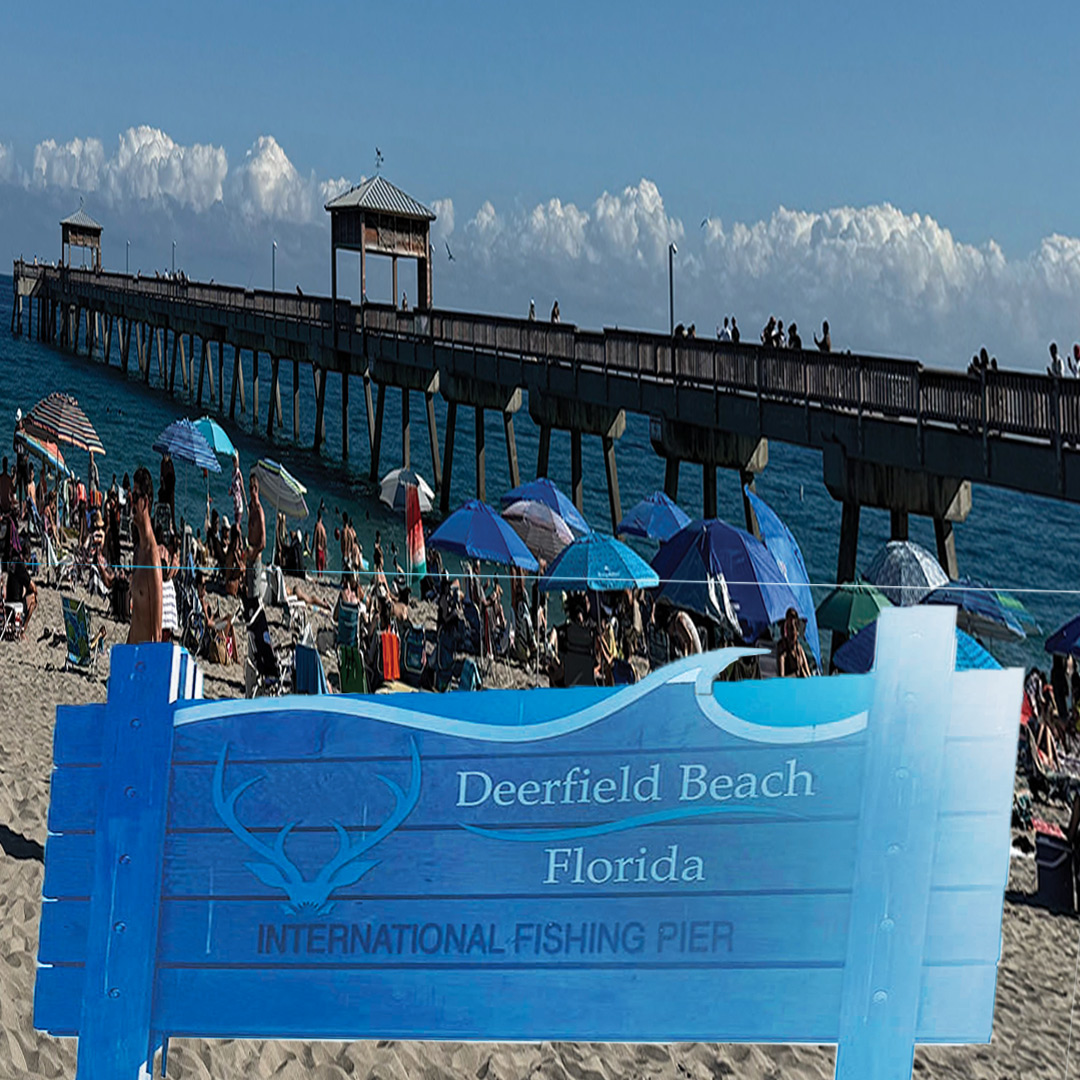
A handful of white flags blow in the breeze against the blue of the skies.  Two cherry blossom trees and a sprinkling of yellow daffodils set the stage as pianist Murray Hidary, 53, dressed all in white, sits down at a grand piano set up in the sand on the beach last April in Deerfield Beach as part of his MindTravel series.

A few hundred people sat on towels and blankets in the sand or reclined in chairs; many brought coolers of food and drink with them.

MindTravel, an immersive, “silent” musical journey created by Hidary is designed to stimulate inspiration and awakening and foster connection to ourselves, to nature and to others.  Participants wear headphones to hear the music and are free to roam around the beach, dip their toes in the water or sit back on the sand and relax.

“Welcome to a continuous, uninterrupted musical journey and a real-time improvisation at the piano,” Hidary says through the headphones.

“Every time is different,” he says.  “Isn’t the seeing different? Isn’t the sky different?  Aren’t the waves different?  We are continually evolving and shifting.”

“I invite you into this conversation,” he says.  “All we have to do is take a moment to listen.”

Taking that moment to listen is something Hidary knows firsthand.

A multi-disciplinary artist, award winning photographer and tech pioneer, Hidary grew up in a large Sephardic Jewish family in Brooklyn, N.Y. where music was omnipresent.

“I always knew I wanted to be composer,” he says.  “I had my own thing to say.”

He studied music and composition at NYU and went on to perform at both Carnegie Hall and Lincoln Center.

Finding music both meaningful and meditative, Hidary says music became a portal into creating deeper connections and a way for him to deal with the stress of everyday life and of running a company.

During his 20s and 30s, Hidary kept a piano in his office and at the end of every day would play to de-stress and reset.

In 2006, after the unexpected death of his sister Mariel, a dancer, at the age of 23, Hidary turned more to music to help him deal with the loss.

“Music opened me up in a beautiful way and allowed me to connect to the love for my sister,” he says.  Steering him in a new direction, he says he saw how the power of music can be used for healing and to create deeper connection and decided to make this his life’s work.

After reading Siddhartha by Herman Hesse as a teen, Hidary incorporated the practices of Zen Buddhism into his music.

“When we don’t have the words to express our feelings, we turn to music,” he says.  “Music can give expression to the feelings that are hard to communicate and can help us navigate these circumstances in life.”

As Hidary’s relationship with music deepened, he began to see it not just as a tool for his own healing, but as a way to help others in their healing journey.

This realization led him to share his classical, jazz and musical improvisations beyond himself, bringing the experience to others who seeking solace, reflection and connection — thus, MindTravel was born.”

The first MindTravel took place 10 years ago on the beach in Santa Monica, Calif.

Hidary says he was the first to pioneer this communal way to experience music and nature and to bring people together for healing and community.

“I founded MindTravel,” he says on his website, “to create transformational experiences using music to share the wisdom and tools that helped me to achieve greater personal fulfillment, healing, and deeper connection with all things.”

Since then, MindTravel has performed in more than 100 cities, including Miami, Fort Lauderdale and Deerfield Beaches.  He performs approximately 150 concerts each year, including in Austin, TX, Southern California and in Central Park in New York City.

He has performed in such disparate areas, from the deserts of the Middle East to the continent of Antarctica.

“I haven’t looked back,” he says about his musical journey.   Part of his goal is to create a community where ever he plays and to do repeat performances in those cities.

“I want to make a space for reflection; a space people can just ‘be,’” he says.

In each of his concerts, Hidary creates a theme, such as courage, joy or love.

In Deerfield Beach, the theme was “wild.”

After an hour into the music, Hidary began a spoken word meditation on that theme.

“Imagine a place in you that was never meant to be tamed,” he says softly.  “They told us to be good – not wild.”

“To be wild is to be dangerous,” he says.   “To be wild means that you belong to something larger.  What if wildness was never the enemy?”

He talks about “a silence so complete, your breathe forgets it’s rhythm.”

One of Hidary’s favorite parts of the evening is the open mic section at the end of the concert where people get up and express how they’re feeling.

“People share the most heartwarming and fulfilling stories and emotions,” he says.  “It’s so human.”

In Deerfield Beach, a young man named Pedro got up to express his happiness at meeting his girlfriend, Amanda, and told her he loved her and was grateful for their two years together.  Another couple expressed their love for each other, while another participant who said they were in the military and leaving for Korea, expressed appreciation to Hidary for the special evening.

“Offering ways to destress and find deeper connections and healing makes me happy,” says Hidary, who now lives in Miami.

He’s motivated by the Jewish concept of “tikkun olam,” or, repairing the world.

“We can each bring a bit of “tikkun olam” in our own lives,” he says.  “As long as my fingers still work and people show up, I’ll do this until I’m 100 years of age.”

Visit mindtravel.com

Hidary will perform in Deerfield Beach on July 13.  Visit Eventbrite for tickets.


Watermelons Delicious fruit of the summer, or a vegetable?

Few fruits remind us of the summer like the watermelon does. There is an active debate in the gardening community on whether this delicious treat is a fruit or a vegetable. Botanically speaking, it is definitely a fruit, developed from the fruiting body after flowering. But if you are from Oklahoma, where the watermelon is the official state vegetable, you would argue it’s a vegetable. In case you are wondering, Oklahoma has a state fruit, the strawberry, which botanically is not a berry, and botanists consider it a “false fruit.”

Why is watermelon a vegetable to the Sooner State? Because it hails from the same botanical family of cucumbers and gourds, which are classified as vegetables. In fact, the whole melon can be eaten, like a cucumber—even the rind. There are many cultures that pickle the rind, and once you try it, you will appreciate how similar it is to its cucumber cousins.

Originating from Africa, the watermelon plant loves the heat. Due to the warm weather, Florida’s watermelon season kicks off in late spring, around May, and extends through the summer months. You will often find local watermelons in area markets, and sometimes on the side of the road.

Florida leads the U.S. in terms of watermelons harvested. In a study by the University of Florida, between 2010 and 2021, an average of 22,616 acres of watermelon were harvested in Florida per year. Texas and Georgia follow as second and third, respectively.

Ancient civilizations in Africa and the Middle East were the first to appreciate the watermelon for both its high water content and its nutritional value. The melon is over 90% water, 6% sugar, and a good source of lycopene, the same strong antioxidant found in tomatoes, another botanical fruit that can be considered a vegetable.

The seeds of the watermelon were found in the Levant and North Africa over 5,000 years ago, before spreading to Asia. Evidence of watermelon cultivations was found in India by the 7th century, and in China by the 10th century. Initially only found in southern Europe, cultivars that adapted to the cooler weathers of northern Europe became common by the 1600s.

Nowadays, with more than 1,200 cultivars, you will find watermelons of all sizes, from 2-pounders to world-record 351-pound monsters (Carolina Cross cultivar). You will find flesh of all colors—red, pink, orange, yellow, even white.

There are many ways to enjoy watermelon this summer. It’s a must-have at picnics, pool parties, and barbecues. The most common way is to just open up the melon and devour its delicious, juicy flesh in slices, or cubes. Here are some other ways to enjoy watermelon.

Add Some Spice

Have you tried watermelon with some spice mixes? If not, you may want to give a try with a little lemon juice on the melon first. If you like that tangy-sweet combination, you might want to further venture into adding chili powder or cayenne. Maybe Tajin power, or a Dukkah blend of spices.

Watermelon Salads

Many cultures make a salad with watermelon and something salty. The simplest is adding salt to watermelon. Along the Mediterranean, you will often find watermelon paired with salty cheeses like feta.

In the southern U.S., you will also find watermelon being paired with salty country ham. Martha Stewart even recommends prosciutto-wrapped watermelon as an appetizer.

Juice It

Given that watermelon is 90% water, it’s simple to juice it at home. You don’t need any special juicer—just a blender will work. You may choose to strain the juice, or drink it as it is.

You can also blend the juice into your cocktails and mocktails. Fresh basil and mint can be muddled with the juice to add extra elements to the drink.

If you blend the juice with vinegar, extra-virgin olive oil, and a spoon of Dijon mustard, you will find it a sweet, refreshing dressing for your summer salads.

Cook It

Another popular trend is to grill the watermelon’s flesh. You can cut up the flesh into cubes, and barbecue it on a stick. Or you can pan-fry a slice of flesh in butter, and you will find it transformed. The grill will impart a smokey flavor, whereas the mixture of sugar and butter provides the pan-fried watermelon with sweet flesh that takes on a caramel taste.

Freeze It

You can also freeze watermelon. The frozen watermelon can be used later for juices or purees. Or if you have juiced the melon, you can make a fruity popsicle for cooling down in the hot Florida summer.

Don’t Forget the Rind

Most of us often just discard the rind. But remember, watermelon is also a vegetable in the gourd family. Take away its sweetness, and it’s not too different from a zucchini or a cucumber. So if you’d like, you can try to prepare the rind. One common use is pickling the rind. You remove the green outer layer with a vegetable peeler, then slice it up, and pickle it just like a cucumber.

You can also stir-fry the rind. The white inner part of the rind can be stir-fried with other ingredients in your favorite stir-fry. You will find that the rind easily absorbs the other flavors in the dish.

There are so many ways to enjoy this melon as a fruit or as a vegetable this summer. I will leave you with a cocktail idea from Martha Stewart.

〇 〇 〇

Watermelon Margaritas

(By Martha Stewart)

  • ⅓ cup sugar
  • Peeled zest of 2 limes, plus ⅓ cup fresh lime juice, plus lime wedges for making salt rim, plus thinly sliced rounds for serving (optional)
  • ½ small, seedless yellow watermelon (about 2½ pounds), peeled and cut into cubes (about 6 cups)
  • 6 ounces tequila blanco
  • 1 ounce elderflower liqueur, such as St. Germain
  • Coarse salt or Himalayan pink salt, for glasses

Bring sugar, ⅓ cup water, and lime peels to a boil, stirring, until sugar has dissolved. Remove from heat; let cool completely. Strain into a pitcher with lime juice.

Working in batches, purée watermelon in a food processor or blender; strain through a coarse-mesh sieve (you should have 3 cups). Add melon purée, tequila, and elderflower liqueur to the pitcher with lime syrup, and stir. Chill, covered, at least 2 hours and for up to 2 days.

When ready to serve, run a lime wedge around the rim of each glass, and dip the glasses in coarse salt. Fill the glasses with ice and 1 or 2 thin lime rounds. To make each drink, add more ice and ½ cup tequila mixture to a cocktail shaker. Shake for 15 seconds; strain into a glass. Repeat for the remaining drinks, and serve immediately.

Vegetarian cookout ideas for summer

Summer brings the unofficial start of grilling season. For some vegetarians and vegans, however, this means making do at backyard picnics with the same old appetizers or soggy green salads. But barbecues do not have to be a washout for those who do not eat meat. Classic cookout foods can easily be transformed into delicious vegetarian or vegan fare.

Main Dishes

When hosting, be sure to offer some sort of plant-based protein, which can be as simple as a chilled bean salad! You will also find meat-free burgers and hot dogs in most grocery stores. Or, if you are feeling adventurous, create your own homemade burgers made from beans, rice grains, or tofu.

Side Dishes

From pasta salad and quinoa salad, to pickled veggies and pico de gallo, there are lots of plant-based options to serve at your cookout.

Grilled vegetables are satisfying no matter what your eating pattern! Marinated and grilled portobello mushroom caps are tasty and offer a savory flavor that can be appealing to vegetarians and non-vegetarians alike. Or skewer mushrooms, peppers, squash, and tomatoes, then grill them until slightly charred.

Deviled eggs, potato salad, and macaroni salads are possible food choices for lacto-ovo vegetarians, and they can be modified for vegans by altering some of these recipes, such as substituting certain ingredients with dairy- and egg-free products. Try a vinegar-based dressing for broccoli or green bean salad. Or make a simple chopped salad using canned chickpeas, tomatoes, cucumber, and bell peppers.

For a more nutritious chip option, offer guests homemade kale or collard chips. Another traditional favorite is grilled corn on the cob.

 Desserts

You cannot go wrong with fresh seasonal fruit such as watermelon slices and an assortment of berries. If you’re looking for something more indulgent, soy, almond, cashew, and coconut milk–based ice creams command more shelf space in today’s frozen food aisle, and for good reason—they taste absolutely delicious! And if you want to join in for some s’mores around the campfire, gelatin-free marshmallows guarantee your place. Grilling? Try peaches, mangoes, pineapples, bananas, and other fruit. The heat caramelizes their natural sweetness.

On the Road

New vegetarians and vegans often find it difficult to ask hosts about food—what will be served and how it will be prepared. Most hosts, however, want their guests to enjoy themselves, so let them know you follow a vegetarian or vegan diet. You may be pleasantly surprised by their response. Some hosts will even go so far as to prepare dishes that are vegetarian- or vegan-friendly or at least not mind if you bring your own food.

If most dishes include meat, dairy, eggs, or cheese, offer to bring food to share with the crowd so you will not go hungry. As a courtesy, let the host know, as there may already be a crowded refrigerator or limited oven space—in which case, you can bring your own cooler or decide on a different recipe.

You will also want to follow good food safety practices. Bacteria grow rapidly between 40 and 140 degrees Fahrenheit, and vegetarians and vegans are not immune to food poisoning. Keep perishable foods in the refrigerator until you are ready to leave, and then keep cold foods chilled in an ice-filled cooler or by packing with frozen gel packs. If you are bringing food that is already hot, transport in a thermal container to help retain its heat. These foods should be reheated to a minimum internal temperature of 165 degrees once you arrive. Enjoy!

Roots and realism: Sophia Lacroix

Haiti’s deep history is one of resilience, revolution, and cultural richness. It endured the 15th-century Spanish colonialization, the 17th-century French takeover of the western part of the island that led to its revolution in 1804, isolation from global powers, economic struggles, and internal conflicts. It has faced political turmoil and natural disasters. Despite the challenges, Haitian culture has flourished, influencing the world by its artistic magnetism in music, literature, and the visual arts.

Sophia Lacroix brings focus to Haiti in her true-to-life paintings by her cultural reminiscence. Lacroix, who was born in Haiti, migrated to South Florida at the age of 15. Since then, she has used her talent in oil paints and charcoal drawings to keep the scenes alive from her memories of everyday life, Haiti’s people, and her culture.

Currently on display at the Pompano Beach Cultural Affairs Department is “Ede’m Poté Li,” or “Help Me Carry It” (2024), a 31.5-inch by 40-inch, limited-edition, hand-embellishment Giclée print. It is among the many paintings garnished with sapphire-symbolic detailed blends of norms that encompasses Haitians’ daily lifestyle. In Pompano Beach’s exhibition,Roots and Realism: A Haitian Artist’s Reminiscence,” traditional methods of daily customs are alive and vibrant in a variety of ways, echoing Haitian ethos through compositional transcendency of principle. The exhibit runs through June 21 at the Ali Cultural Arts Center.

Realism. In this style, the principles of art play a crucial role in capturing life as authentically as possible. The threads that twine Lacroix’s experiences to voice these echoes are emphasized in sharp details and light techniques. Light censors are by sources that are clearly complimented by their opposing shadows. Lacroix applies cohesion to colors and proportions to grow rhythmic palettes of her subjects in each of their organic landscapes.  it’s like being a tourist as a viewer because she draws you into the culture.


In twine. Lacroix’s portraits sustain a sapphire-symbolic durability that apprehends the same critical elements in authenticity as the platform of its landscapes. The cultural significance of “Bel Ti Fi” (2025), a 23.5-inch by 24-inch graphite on paper—blended with texture and depth by its medium—is one representative of Haiti’s people. The child, an embodiment of their heritage and their future. Lacroix strings life intrinsically through art value.

Lacroix’s “Jocelyn,” a 30-inch by 24-inch oil on canvas, is similar in that it digests as a mineral’s complacency as she demonstrates her commitment to accuracy, mirroring how light interacts, producing variations in tone and highlights, and portraying her subjects with honesty and precision. This piece follows Realism’s tradition by transforming its simplistic human element into a work that is visually compelling and technically refined. Lacroix’s attention to detail is apparent throughout the entire composition, as she captures the subtle variations in light and shadow. Each strand of hair appears meticulously woven, and the shading of her subject’s face enhances depth and dimension, which reinforces the sense of realism.

“Macchan Laye.” Lacroix’s 16-inch by 8-inch oil on paper (2025) refers to the merchants who play a critical role in local commerce, selling everything from local produce to handmade crafts. The painting puts the macchan at the center of the focal point, vacating details away from those surrounding her, and as she walks into the distance, so does the solidity of the imagination, and into her subject’s reality.

Paintings of macchans are accented around the room in the spirit of Pompano Beach’s Roots and Realism exhibition. That is, until one approaches still life, where it and Realism share a deep artistic connection, particularly through the art principles that govern composition and technique. In contrast to the paintings of different macchans in motion, movement is instead implied through curved shapes and leading lines, accurately scaled and reading to subject as the delicacy at hand.

In almost 30 years of professional painting, Sophia Lacroix has exhibited in both group and solo shows throughout the eastern and central parts of the nation. Her work has been recorded in several publications and has developed a loyal following of collectors around the world. Lacroix’s passion began at 4 years old, and she is a self-taught oil painter who began selling her work in 1995 while working in social services helping the underserved. It’s highly recommended that you pay a visit to the Ali Cultural Arts Center for a brief vacation into the painted depths of human observation. For more information, visit http://sophialacroix.com.

Gumbo Limbo Come for the views, nature, conservation

If you would like a nature center with a coastal tropical hammock, located on a barrier island, complete with a boardwalk stroll through the coastal forest, a lush butterfly garden, resident sea turtles, and, most impressive of all, a 40-foot-tall observation tower featuring a bird’s-eye view of the surrounding area, look no further than Gumbo Limbo in Boca Raton.

Driving along Route A1A in the past, I would see signs for Gumbo Limbo Nature Center, and from the outside it seemed like a nice, tranquil park at the edge of the Intercoastal Waterway. So my friend Susan and I went to check it out recently. I have mobility issues until I get my knee replaced, and stairs or steep inclines are hard for me. I knew that this venue boasted an ADA-accessible switchback ramp to ascend to “Jacob’s Outlook,” at the top of the observation tower, and I wanted to be able to make my way up there and enjoy the spectacular views.

And did we ever. After entering the main building, we were handed a map and made our way out to the Coastal Hammock Boardwalk, a 1/3-mile elevated walk through the forest leading to the new, modern observation tower. There are two ways to traverse the circular boardwalk to reach the tower: a longer path curving around to the base of a large wooden staircase, or a short walk to the ADA-compliant switchback ramp. We chose the latter.

The impressive observation tower, which juts through the green canopy of trees, is just a year old. The old tower had fallen into disrepair and was torn down. For years, nothing was there. But then work began on this state-of-the-art structure, which finally opened to the public in June 2024, and it’s stunning. The 700-linear-foot ramp is spacious and wide, with nice wood craftsmanship and handrails on either side. As we made our way upward, we followed the shallow-ramped walkway while it wrapped around the structure and switched directions, and we stopped occasionally to look out at the different views.

Emerging up in the fresh air at the apex of the tower, we found it nice and breezy—and the panoramic view from Jacob’s Outlook? Fantastic! We could see the Intercoastal, all the trees and nature below us, nice homes, and landmarks of the city in the distance. We slowly walked around and took it all in. Once a knot of visitors headed back down, Susan and I sat on one of the benches and relaxed in the peaceful quiet. A plaque nearby read, “A vista to inspire the soul from the depths of the ocean to the skies above.” And that’s what it was.

The 20-acre Gumbo Limbo Nature Center was founded in 1984, a cooperative project of the city of Boca Raton, the Greater Boca Raton Beach and Park District, Florida Atlantic University, and the Coastal Stewards. “A beacon for environmental education, research, and conservation,” it provides refuge to plants and animals, including some rare or endangered. It is free to enter the park, but we contributed to a donation box at their welcome desk.

Gumbo Limbo’s Marine Science Lab, run by FAU, is well known in this area. Its Visitor’s Gallery, with an educational display, was designed to create public awareness about the fragility of sea turtles, South Florida’s ecosystems, and the Atlantic Ocean. FAU’s Marine Lab graduate students serve as community outreach ambassadors at the gallery.

The main venue was under some remodeling and construction when Susan and I visited, so we didn’t get to see everything. We walked around the outdoor marine aquariums, which usually hold a variety of native fish, resident sea turtles, and other marine animals. Gumbo Limbo also includes a sea turtle sculpture garden, the butterfly garden, an amphitheater, an outdoor classroom, and the Ashley Trail, a mulch-and-sand pathway that leads to the “Chiki Hut” overlooking the Intercoastal.

We had trouble finding the butterfly garden—the signage wasn’t clear, and because of the construction going on, we had to walk out to one of the two parking lots and then into a separate shady section of trees and bushes to find the butterflies flitting among the flowers. But once there, it was very secluded and bucolic.

There also is a sea turtle hospital on the property, which focuses on rescuing, rehabilitating, researching, and releasing sea turtles. If anyone encounters an injured sea turtle or other wildlife, they can call the 24-hour rescue line (561-212-8691). Gumbo Limbo is a special place, and well worth a visit.

For more information, go to www.myboca.us/2485/Gumbo-Limbo-Nature-Center.

Trooper’s Law and the importance of animal hurricane preparations

As hurricane season approaches, a new law is going into effect to further protect dogs. Trooper’s Law, effective Oct. 1, will make it a third-degree felony to abandon a restrained dog during a natural disaster. The measure was inspired by Trooper, the bull terrier who made national headlines last year when state troopers found him tied to a fence and left in belly-high water on Interstate 75 during Hurricane Milton evacuations.

Trooper was adopted by Parkland residents Frank and Carla Spina and was honored at Parkland City Hall in January. “The state troopers appeared and presented him with a ‘Junior Trooper’ Florida Highway Patrol badge, which he wears around his collar,” says Frank Spina.

After being rescued and adopted, Trooper went through an even greater ordeal, requiring surgery to remove cancerous tumors from his body, and then undergoing a four-hour endoscopy to remove more than 100 pieces of garbage from his stomach. Thankfully, the procedures went well, and Trooper is now thriving.

Trooper and the Spinas have been invited to witness Governor Ron DeSantis officially sign Trooper’s legislation into law. “The governor and his wife are very big proponents of Trooper,” says Spina. “They think the world of him.”

Trooper’s situation was not the first to force lawmakers to expand protections for animals during natural disasters. The Pets Evacuation and Transportation Standards Act of 2006, known as the PETS Act, was passed and codified into federal law following the aftermath of Hurricane Katrina in 2005, when an estimated 200,000 pets were stranded and close to 150,000 perished during the storm. The act requires states to include the needs of households with pets and service animals in emergency preparedness operational plans in order to receive federal funding for those plans.

Florida was one of the first states to revise disaster relief plans to include household pets and service animals, creating pet-friendly shelters and aiding in pet evacuation and transport. But where the law still falls short is in protecting farm animals, including horses. Because they are not considered household pets, the PETS Act does not require states to incorporate hoofed animals into their emergency plans, and Florida does not have specific legal protections for these animals during hurricanes, despite the need for it. During Hurricane Ian, one dairy farmer in Myakka City lost 250 dairy cows.

The Florida Department of Agriculture and Consumer Services offers guidelines on disaster preparedness for horses, livestock, and pets, which include what to consider when sheltering in place or evacuating. For horse and livestock owners, it’s important to maintain contact with private businesses and nonprofits as many of them often step up during a storm, offering aid and/or shelter. During Hurricane Ian, the World Equestrian Center in Ocala provided free shelter for 3,000 horses, and American Humane helped rescue farm animals stranded during the storm.

Many of these organizations also offer free online resources on making preparations for your animals in case of a hurricane. It’s never too soon to prepare.