
Fall into fun

Halloween events you won’t want to miss

Spooky season is here, and there’s no shortage of ways to celebrate. From haunted ice cream sundaes to pumpkin patches and costume-filled carnivals, fall fun is around every corner. Here’s your guide to the Halloween events you won’t want to miss.

Cherry Smash—Spooktacular Ice Cream Experience

Location: Cherry Smash, 8000 Wiles Road, Coral Springs

If you’re looking for sweets with a side of spooky, then the Cherry Smash ice cream parlor is a must. Every Halloween, this beloved retro-style venue transforms into a haunted wonderland. Expect over-the-top decorations, eerie vibes, and plenty of sweet indulgences throughout the Halloween season.

Thrills & Chills

Date: Saturday, Oct. 18, 3–5 p.m.
Location: Coral Springs Gymnasium

This family-favorite event mixes carnival fun with spooky surprises. Activities include DJ music, carnival games, costumes (encouraged), an inflatable bounce house, maze, and giant slide, a spooky walkthrough (ages 5+), and a sensory-friendly area.

Tickets: Prepurchase online (through Oct. 17): $5 per person (ages 2+). Purchase day-of (online or at the door): $8 per person (ages 2+).

MSD Trunk-or-Treat and Falloween

Date: Saturday, Oct. 25, 5–8 p.m.
Location: Marjory Stoneman Douglas High School, 5901 Pine Island Road (enter via Holmberg Road near the gym)

Hosted by the MSD Drama Boosters, this annual event is packed with festive fun. Highlights include children’s activities, a spooky garden walk, live musical performances, and plenty of trunk-or-treating.

Tickets: Kids, $15 (includes 1 free adult); extra adults, $5 each. Available at msddrama.com and at the gate.

Haunted Illusions—Coral Springs Center for the Arts

Date: Saturday, Oct. 25, 7 p.m.

Master illusionist David Caserta brings his nationally acclaimed show, “Haunted Illusions,” to Coral Springs for one night only. Seen on “America’s Got Talent” and “Penn & Teller: Fool Us,” Caserta will wow audiences with levitations, vanishings, comedy, and interactive tricks designed for the whole family. Expect dazzling lights, music, and cutting-edge effects in a Halloween spectacular you won’t forget.

Tickets: Available at the Coral Springs Center for the Arts website.

City of Parkland Pumpkin Patch

Dates: Saturday, Oct. 18, through Thursday, Oct. 23
Weekends, 9 a.m.–5 p.m., weekdays, 5–7:30 p.m.
Location: Equestrian Center

Kick off fall at Parkland’s beloved Pumpkin Patch! Families can pick the perfect pumpkin and enjoy a petting zoo, bounce houses, face painting, food vendors, and fall-themed photo spots. Proceeds benefit the Parkland 17 Memorial Foundation, helping build a lasting memorial. Supplies are limited, so arrive early and make it a festive day at the Equestrian Center.

This year, each pumpkin sale helps support the Parkland 17 Memorial Foundation, a 501(c)(3) nonprofit organization dedicated to creating an unforgettable and majestic public memorial to honor the 17 lives taken too soon.

City of Parkland Halloween Festival

Date: Friday, Oct. 24, 5:30–7:30 p.m.
Location: Equestrian Center

This is Parkland’s most anticipated Halloween bash! The Equestrian Center will be filled with themed decorations, entertainment, and activities for kids of all ages. From hayrides to costume contests, it’s a can’t-miss family evening. There will be characters, stilt walkers, and a Halloween performance on the main stage. See the City of Parkland website for more details or to register your car to be included in the “Trunk-or-Treat Lane.”

Ghosts, goblins, and buckets of candy—what more could you ask for? With pumpkin picking, trunk-or-treating, and a little magic in the mix, this Halloween is shaping up to be one to remember. Grab your costume, bring the family, and get ready for a season that’s all treats and just the right amount of tricks.

All creatures great and small

Tales of a South Florida horse vet

Since the 1980s, Glenn Gillard, VMD, has been a trusted name in equine veterinary care across Palm Beach and Broward counties. With more than four decades of experience treating everything from elite racing horses and show jumpers to backyard companions, his days have been filled with stories that are equal parts heartwarming, humorous, and humbling.

At just 13 years old, while working as a hot walker at a New Orleans racetrack, he knew he wanted to be a veterinarian. “I noticed veterinarians would show up to the barn, and they were like celebrities,” recalls Dr. Gillard. “Back in those days, they would have a jumpsuit and a tie. They looked like superheroes to me. And I said that’s what I want to do. I didn’t realize there were a few academic hurdles that I would have to overcome, but I did. I fell in love with it at that point. And I think spiritually, someone was looking out for me.”

After graduating from the University of Pennsylvania School of Veterinary Medicine, Dr. Gillard was offered a job at the Pompano Beach Racetrack and relocated to South Florida, where he worked with Dr. John Mitchell, who had a profound impact on his career. “I could have easily fallen into the trap of working for someone unethical in the race industry,” says Dr. Gillard. “But John Mitchell was the ultimate in ethics and integrity, and he represented the veterinary profession the way it should be done.”

After three years of working together, Dr. Gillard purchased half of the practice from Dr. Mitchell, opened up shop, and has been a fixture in South Florida ever since.

“I love my clients,” says Dr. Gillard with a bright smile. “I have clients where I’m in the third generation. I’m taking care of their grandchildren’s horses, so they’re almost more like family than they are clients.”

Throughout his career, he has been like a superhero to his clients, tackling difficult cases, creating innovative solutions—or, as he likes to say, “winging it”—and demonstrating compassion in situations where owners couldn’t afford veterinary care.

Recently, Dr. Gillard was involved in a case where a flesh-eating fungus, Pythium insidiosum, attacked a 5-year-old stallion. “This flesh-eating fungus grows by the hour,” he says. “I’ve had three other cases. The first two started in the leg and grew so fast those horses had to be euthanized. The third was a racehorse that had it on the ankle. I thought I had nothing to lose, so I sprayed the lesion with liquid nitrogen for three minutes, which was unheard of. I froze it down to the cannon bone. Then I froze the bone. That horse survived.”

So when they called Dr. Gillard out to this 5-year-old stallion, he was prepared, until he learned the location of the fungus. It was on the horse’s penis. He immediately wanted to do debridement surgery. After surgery, the horse did well for 12 days, but the fungus returned. At that point, Dr. Gillard gave the client two options: euthanize the horse, or go back for surgery round two.

At the same time, Dr. Gillard attended a meeting in Palm Beach and wound up meeting a veterinarian from a wildcat preserve. They had a jaguar with this same organism on its leg and had successfully treated it with Levamisole, a drug normally used for parasite control.

“We put the horse on the Levamisole, and we’re out two months now, and he’s cured,” enthuses Dr. Gillard. Cases like these are the reason he remains active in his career. “People ask when I’m going to retire, but it’s exciting. We just did something other people haven’t been able to do. This was a dead horse, and we saved it. I get a charge out of it.”

That’s not the only time Dr. Gillard’s innovation has saved a life. “Once, a little girl brought her kitten to me after a horse had stepped on its leg,” he recalls. “The leg was like a bag of marbles. It was more than one fracture.” He sedated the kitten and created a makeshift splint out of a syringe casing.

“I cut it, lined it with elastikon tape, put it on the cat’s leg, and smooshed the leg into the splint. Then I told the father we’re trying it for three weeks, and if something happens or you smell something, tell me and I’ll come out and put the cat to sleep.” Three weeks later, Dr. Gillard went to check on the kitten, and it came running around the barn. He cut the brace off, and the kitten was healed. He swears it was divine intervention.

Another time, Dr. Gillard was called to look at an Appaloosa horse by a 13-year-old girl. “I get there, he’s got a corneal ulcer, skin disease, and raging diarrhea,” he recalls. “We put him on the cross ties, and while I was treating the horse, the girl was mucking stalls in this little family barn.” The bill came out to just over $400.

“Normally, what happens with those things is a mother will call in a credit card. So I asked if her mother called in a credit card. But the girl takes out a little purse and says she’s taking care of it today. I look in the purse and see a bunch of singles and a couple of quarters. She’s got a smudge of manure on her cheek. When she asked how much the bill was, I looked at the manure smudge on her cheek and said, ‘$4.50.’ So she gives me three singles and six quarters.” His accountant thought he was crazy. “You gotta have fun with it,” emphasizes Dr. Gillard. “I make enough through the season that I can do that.”

Dr. Gillard’s career has been marked by both purpose and a sense of fun—from dissecting the volleyball-sized heart of a 36-year-old Polo horse with biology students at Spanish River High School, to guiding future veterinarians through their first bovine rectal exam as an adjunct professor at Florida Atlantic University. “Most of the kids were from Boca and wanted to work with dogs and cats. But you still have to have exposure to cows. So I would sit there, and they’d have their $400 designer sunglasses on, and as their wrist dropped into the cow’s rectum, I’d take pictures of their facial expressions,” laughs Dr. Gillard. “I have a whole album of kids that were doing their first rectal.”

Even situations that weren’t fun at the time can now be looked back on with a sense of levity, like the time a professional horse trainer called Dr. Gillard out at 11 p.m. on a Saturday, because she thought her horse was in trouble. “She told me he’s doing a silent agonal scream,” recalls Dr. Gillard, who drove there at about 90 miles an hour, pondering what could be wrong with the animal.

“I get there and there’s a semi-circle of about six cars, all with their headlights focused on this horse in its stall.” Heart racing, Dr. Gillard observed the horse carefully as it yawned. “I had to walk back to my car and count to 50. I told the lady that the horse is tired, sleepy, and yawning. No silent agonal scream. I can laugh now, but at the time my heart was going 100 miles an hour.”

While his heart rate may have come down, even at 76 years old, Dr. Gillard has no intention of slowing down. “I can see myself always keeping a toe in the water—otherwise, I don’t know what I’d do. I’d probably be climbing the walls,” he says with a smile.

To learn more or to get in touch with Dr. Glenn Gillard, call (561) 738-4601.

Project 1841 8 generations of students helping teens age out of foster care

When Marjorie Stoneman Douglas students Brianna Bango, 17, Mia Bono, 16, Amanda Bilsky, 16, and Samantha Shortz, 16, handed over a duffel bag filled with essentials and a handwritten birthday card as part of Project 1841, they knew they were giving more than supplies—they were giving hope.

From competitive dancing and sports to volunteering for Project 1841, a grassroots effort supporting teens aging out of foster care, these local girls are proving that age is no barrier to making a difference.

Across the city of Parkland, the newest members of this charitable organization, Martina Velez, 14, and Graciela Wilson, 14, make the eighth generation of volunteers—each group passing the torch as they graduate high school and welcome new members.

Together, they’re using their time and talents to support local causes and inspire others to do the same.

Founded in 2007 by then–Weston student Alexandra “Alex” Rubin and her peers, Ilana Wolpert, Alexandra Kaplan, and Alli Weiss, Project 1841 raises funds and collects donations to pack starter kits in duffel bags for youth turning 18 and aging out of the foster care system.

Prior to the duffel bags provided by Project 1841, these kids usually packed up their belongings in plastic garbage bags when setting out on their own.

Nearly two decades later, a new generation continues the tradition—packing duffel bags filled with essentials and hope.

“These girls are a blessing,” says Kaydion Watson, director of youth services at ChildNet, a nonprofit advocacy agency serving vulnerable children in Broward and Palm Beach counties. “We’re very appreciative of all they do for our foster youth.”

As director of youth services for the past six years, Watson has spent most of her 20-plus-year career working with foster youth, beginning as an independent living specialist. Committed and loving what she does, Watson says she’s happy to have a positive impact on these kids’ lives and is grateful to Project 1841 for their commitment and generosity.

“The girls of Project 1841 choose to be impactful with their time and energy and to give our kids a feeling of being valued,” she says. “We’re forever grateful for them.”

Teens in foster care “age out” of the system on their 18th birthday. Many will face challenges without the support of family or relatives or a safety net. Compared with their peers, young people who have aged out may face particular hurdles, including behavioral, mental, and physical health issues and challenges with housing instability, interrupted education, joblessness, and substance abuse.

The transition to “emancipation” can be daunting. Project 1841’s mission is to make that transition less daunting.

The name 1841 denotes three things: “18” is the age that youth age out of the foster care system, beginning their journey toward independence. “Four” signifies the original four girls who worked with ChildNet to collect donations and pack starter kits for the youth. “One” symbolizes the one cause that unites the girls—helping foster teens to transition from foster care to independent living.

According to figures provided by Project 1841, more than 120 teens age out of Broward County’s foster care system each year, and some of those teens age out when they are still in high school.

The first delivery of bags was in April 2008. Each month, ChildNet forwards to Project 1841 a list of names of youth who are aging out of foster care on their 18th birthday. Every month, the girls pack bags filled with sheets, towels, a pillow, utensils, plates, toiletries, snacks, detergent, and more, as well as a handwritten birthday card to each teen.

Brianna Bango’s mother, Maggie Cicarelli, a licensed clinical social worker and 18-year Parkland resident, says, “In this day and age, it’s particularly inspiring to see high school girls who are privileged to live in an amazing community in Parkland step up and give back to their counterparts.”

She says, “It also teaches them to be part of a community.”

The impact is tangible, but not without cost. Each bag costs about $100 to fill, and with prices rising, Cicarelli says they are always looking to host fundraisers or accept donations to support their efforts. Each generation adds its own touches to the bags, such as gift cards to fast-food restaurants or something to make the teens’ first night on their own more comfortable.

Since inception, more than 1,500 bags have been packed and delivered, thanks to the group’s fundraising efforts. Additionally, as each volunteer graduates high school, a new generation steps up to further the cause.

While Cicarelli acknowledges that the foster youth have a long journey ahead of them, and the volunteers’ efforts are “but a blip on the radar of their journey,” she knows from her professional experience as a social worker that kids who go on to do well and be successful, independent, contributing adults had someone who stepped up and showed an interest in their life.

“Sometimes a small act of kindness can make a difference in someone’s life,” she says.

All the donated items are stored at Cicarelli’s home, and once a month Project 1841 members gather to prepare the bags. ChildNet provides the group with the first names of those who will age out the following month.

Bango, a rising senior at MSD High School who hopes to apply to the BS/MD program at the University of South Florida and one day become an orthopedic doctor, says she’s motivated by her “love for our community” and a desire to make it better.

She also volunteers with Parkland Buddy Sports and created an organization that promotes health through dance called “Groove for Goodness,” which brings dancers to nursing homes, hospitals, assisted living facilities, and shelters to dance alongside the residents.

“Project 1841 is for a great cause, and I think it’s important to give back,” says the straight-A student, who is the primary coordinator and in her fourth year as a volunteer.

Over the past 2½ years, Bango has forged close friendships with two of the other volunteers, Bilsky and Shortz, both lacrosse players at MSD, and the girls say they are grateful for the friendships they’ve made.

As yet undecided on where they plan to go to college, Bilsky excels in history and Shortz, who also prepares sandwiches for Our Father’s House Soup Kitchen in Pompano Beach, excels in math. Both also volunteer their time at Parkland Buddy Sports.

Shortz enjoys the physical act of packing the bags, knowing that these are necessities that will give the foster students a fresh start.

The girls all agree that being part of something greater than themselves is a good feeling. “It’s very rewarding,” says Bango.

“We all feel fortunate for what we have and grateful for the life we were given,” she says in a “There but for the grace of God, go I” moment.

A fact not lost on these young students is that the bags they are preparing are for teens similar to themselves.

Bango visited ChildNet in person to see firsthand where her contributions and donations were going. “It changed my perspective,” she says. “I saw that we are making a concrete contribution and making an impact on young people’s lives.”

After a summer of travel for Bilsky and Shortz, some SAT prep, a Cold Play concert at the Seminole Hard Rock Hotel & Casino, and a national dance competition in New York for Bango, these teens geared up for back-to-school, college prep, and future careers.

Going forward, they bring with them more than their academic and extracurricular achievements—they carry the experience of having made a difference in someone’s life. And for the foster youth receiving their care packages, a show of support from their peers can be a small but significant gesture, and one that can be life-changing.

To help with this cause, please go to gofund.me/9161253f, and visit Project 1841.

Becca’s Closet Providing Homecoming and Prom dresses for girls in need

School is back in session, and that means, for most high school students, Homecoming is fast approaching, and with it, the opportunity to dress up and celebrate with peers at a formal dance. For many girls, this is an exciting time and a chance to go shopping for the perfect dress. But for others, the expenses involved create unnecessary financial stress that, in some cases, may force them to miss out on a major high school milestone.

Rebecca (“Becca”) Kirtman wanted to change that. While a freshman at Nova High School in Davie, she realized that purchasing dresses and accessories for Homecoming and Prom presented a significant financial hardship for some students, and she made it her mission to ensure that all girls, no matter their financial situation, had access to formal dresses.

The idea came to Becca after reading an article in a teen magazine about female students at a private school in California who decided to donate their dresses to a less affluent school in their community. Inspired by the article and determined to create this kind of opportunity for less affluent students in her own community, Becca began writing letters to different manufacturers requesting dress donations.

Through her project, known as the Nova High School Dress Bank, Becca singlehandedly collected and donated more than 250 brand-new formal dresses, helping girls across Broward, Miami-Dade, and Palm Beach counties attend their high school Proms and Homecoming dances.

When a tragic automobile accident took Becca’s life in 2003, her parents immediately decided to continue their daughter’s work, turning her project into a registered nonprofit organization named Becca’s Closet.

“It was a very easy decision,” recalls Jay Kirtman, Becca’s father and president of the organization’s Board of Directors. “She started this and we needed to continue it, so we formed the organization within 10 days of her passing.”

The Kirtmans changed the name to Becca’s Closet both to honor Becca and because her friends were always raiding her closet and borrowing her clothes.

From the beginning, Becca’s Closet garnered a lot of support from the community, with several members of the Florida Panthers organization jumping on board. “It took on a life of its own,” says Kirtman. “We were almost immediately on CNN, the ‘Today Show,’ ‘Inside Edition,’ and many other TV shows.”

The national media coverage spurred inquiries from people across the country wanting to do the same thing in their communities. Becca’s Closet now has a national presence, with more than 50 chapters across the United States all run by volunteers.

South Florida remains the organization’s operational center. “We currently have over 7,000 dresses locally in South Florida,” says Kirtman. Becca’s Closet recently received a donation of 1,000 dresses from fashion retail chain Windsor. “When the organization receives a large donation like this, we reach out to chapters around the country to see who needs dresses and then distribute them accordingly,” explains Kirtman.

Every year, Becca’s Closet dresses thousands of girls in South Florida, and tens of thousands across the country. “The most rewarding thing for me is the appreciation people have when they get a dress,” says Kirtman. “Hopefully they know what Rebecca did and what she stood for. And we only hope they continue doing something in their own communities.”

To qualify for a dress, you must be a high school student with financial need who cannot afford to purchase a dress for a school-sponsored event/dance.

“We’re on the honor system,” explains Kirtman. “If they tell us they can’t afford a dress, we give them a dress.” The honor system is in place to protect the girls. “It’s hard enough for kids who can’t afford things to jump through hoops and prove everything. We want this to be a positive experience.”

Girls seeking a dress need to provide a current high school ID and answer the question of how they would get a dress if they didn’t get it from Becca’s Closet. They do not have to provide tax returns or other financial documentation. “We’ve had a couple of kids in our 20-plus years who have gone home without a dress,” recalls Kirtman. “You can count that on one hand, and those are the kids who are trying to beat the system.” Becca’s Closet also serves a lot of girls in the foster care system, girls who are homeless, and those in the court system.

For the past 23 years, Becca’s Closet has had a donated central distribution center located inside Festival Marketplace in Coconut Creek, where girls could make an appointment, go see the dresses, and try them on. “They worked one on one with an adult volunteer and two student volunteers and had their own private dressing room,” says Kirtman.

In lower-income areas, the organization will sometimes get more than 30 students from the same school and takes thoughtful steps to ensure that each girl still feels special.

“We keep logs on which high school the girls go to and what dress they got, because we don’t want to give the kids who go to the same high school the same dress,” explains Kirtman. If a girl does choose the same dress that someone in her school already chose, the volunteers inform her and give her the option of selecting another dress.

With the closure of Festival Marketplace in May, Becca’s Closet is now looking for a new home. “We have not been able to find a home to distribute dresses for girls who need them,” says Kirtman. “If we don’t procure something, we’re going to be doing pop-ups at a major hotel and will be doing a big giveaway at the end of September.” Ideally, Becca’s Closet would prefer to remain in central Broward near major highways to be easily accessible for kids across Palm Beach, Miami-Dade, and Broward counties.

On Nov. 11, the organization is hosting its annual fundraising luncheon at Anthony’s Runway 84 in Fort Lauderdale.

To donate dresses, to get involved, or for more information, visit www.beccascloset.org.

Get to know your school lunch program

Whether it is a wonderful memory of cafeteria staff or a favorite meal enjoyed with friends, we all remember the time spent in the school cafeteria. The National School Lunch Program was established in 1946 to provide students access to nutritionally balanced meals. The U.S. Department of Agriculture (USDA) continues to fund the program and to ensure that healthful lunches are available to all.

Thanks to the USDA’s Healthy, Hunger-Free Kids Act of 2010, school meals look a lot like MyPlate, the government’s roadmap for nutritious eating. MyPlate creates a common language for school nutrition professionals and students, and the accompanying visual helps schoolchildren connect to the food they see on their plates.

Who Makes the Rules?

Regulations regarding what kinds of foods that schools should serve to students are approved by the USDA, and each state administers the program. In 2007, the USDA reported that school meals were not providing a variety of whole grains, fruits, and vegetables and were serving a higher-than-recommended amount of saturated fat and sodium. This prompted changes in the program. The 2010 Healthy, Hunger-Free Kids Act mandated updates to the meal requirements, which included more fruits, vegetables, and whole grains, fewer calories, and less sodium. A new rule titled “Child Nutrition Programs: Flexibilities for Milk, Whole Grains, and Sodium Requirements,” which went into effect in 2019, offers more flexibility for menu planning in schools compared with the original 2010 act.

Here’s what you need to know about today’s school lunch programs.

A Bigger Focus on Fruits and Vegetables

Potentially the most powerful MyPlate message is advice to fill half your plate with fruits and vegetables at each meal. Schools serve fruit every day at breakfast as well as a fruit and a vegetable at lunch. School nutrition professionals understand that increasing the amount of fruits and vegetables on the menu doesn’t always mean that kids will eat more of them. Schools are becoming more strategic about serving produce in ways that will increase kids’ interest and consumption. That means slicing fruits and vegetables into bite-sized pieces and serving them with dips, tossing fruit into yogurt parfaits, and mixing vegetables into side dishes such as brown rice, grain salads, and roasted potatoes.

Grains Are Getting a Whole Lot Healthier

In keeping with MyPlate’s message to make at least half of all grains whole, schools are boosting whole grains in bread, tortillas, pizza crust, and pasta, so that half of the grains offered at breakfast and lunch each week are from whole-grain sources. They also are incorporating more whole-grain flour into baked goods such as muffins and pancakes.

Protein Slims Down

Most school-aged kids need 4 to 6½ ounces of protein each day. To keep it heart-healthy, MyPlate encourages fish, skinless chicken, and lean meat as well as plenty of plant-based protein. This might include menu items such as oven-baked fish nuggets, chicken teriyaki, and lean beef or bean burritos on whole-wheat tortillas. When it comes to plant-based protein, schools are getting creative—they’re offering options such as tofu stir-fries and bean burgers and tacos.

Milk Got a Makeover

MyPlate isn’t just about what’s on the plate. Drinks count too. The latest rule now allows schools to offer flavored 1% milk to encourage drinking milk, in addition to unflavored fat-free and low-fat options.

Getting Financial Assistance

If you’re having trouble paying for your child’s lunch, your family may be eligible for free or reduced-cost lunches through the USDA website (www.fns.usda.gov/schoolmeals/model-application). If your family meets the income guidelines and you have not yet filled out an application, be sure to request one from your child’s school.

The comeback of Florida’s spirit animal

As South Florida celebrates another Stanley Cup championship by the local Florida Panthers hockey team, let us not forget the continual struggles of their namesake, Florida’s state animal, the Florida panther. Luckily for the local big cats, through the efforts of conservationists, they are on the path to recovery.

Florida panthers are the North American cougar that has adapted to the Florida climate. The panthers have found a home among the tropical forests and swamps, and it is the only population of cougars in the eastern United States.

The panthers have had a challenge as Florida developed. Hunting throughout the history of Florida, and losing their natural habitat range to new developments, caused their population to shrink. By the 1970s, only about 20 Florida panthers were still alive in the wild.

Since 1981, as mandated by the Endangered Species Act, the Florida Panther Recovery Plan has been in place, run by the Florida Fish and Wildlife Conservation Commission (FWC). This program’s efforts have rebuilt the population to around 200 panthers.

The recovery had to overcome many challenges. The population by the start of the program was so small, the panthers’ genetic pool was already severely depleted. Studies showed that the low genetic diversity increased the likelihood of inbreeding among the remaining population. This was confirmed by studies on newborn panthers, and documenting their congenital issues.

A genetic rescue mission was initiated. Pumas from Texas were brought to Florida. They were  given time to adapt to the local environment. After they were deemed ready, they were released to the wild and helped to reduce inbreeding among the local Florida panthers. These newcomers were successful, and the local population showed increases after their introduction.

A new rehabilitation center was also created to help injured panthers at White Oak Conservation. Injured cats, along with orphaned kittens, were cared for at the facility. The organization, partnering with FWC, has rehabilitated and released 19 sick or injured Florida panthers as of 2020.

Why are we spending so much effort to protect the panthers? Florida panthers are at the top of the food chain in South Florida, and a keystone species in the ecosystem. They are essential in maintaining a balance in the ecosystem, and they help regulate the populations of native wildlife and manage nuisance animals.

Nuisance animals like wild hogs and pythons have grown significantly in population in Florida. The wild hog population is highest around Lake Okeechobee in forested areas, right in the history range of the Florida panthers. These wild hogs cause extensive destruction and damage to both agricultural and native plant life in South Florida. A recovery of the panthers should help in our fight to keep their population in control.

Scientists have also seen evidence of large cats predating on Burmese pythons. The invasive pythons have been attacked by Florida panthers, and smaller bobcats, especially during the colder months when pythons are naturally less active.

The recovery of Florida panthers is still ongoing, so they are not out of the woods yet. They are no longer considered critically endangered, but they are still endangered. As their population recovers, another threat is becoming more common—vehicle collisions are increasing. To avoid hitting a panther, please take care driving in rural areas of South Florida, and support efforts to create wildlife corridors, which allow the panthers to avoid crossing major roads.

The Florida Department of Transportation also runs the Florida Panther Conservation Plan, which, together with federal forestry service, sets up binding agreements between private landowners and the government to minimize and mitigate the impact of land development in critical areas, in exchange for marketable credits.

With all these continuing programs, the future of Florida panthers is hopeful, and with the efforts by local organizations, along with state and federal programs, we hope to see Florida panthers thrive as the state animal.

Native tribes believe that panthers represent courage, power, and stealth. The Seminole tribe considers it a protector, and a guardian spirit animal, while the Miccosukee tribe see panthers as a symbol of change of adaptability. It is that adaptability that may see the panthers thrive in the new ecosystem, and doing their part as the apex predator to keep the balance in the wild.

Up close with the animals at HAPPI Farm

There’s a small animal-petting farm just off Orange Drive in Davie that isn’t fancy, and it’s not much to see from the outside—but it’s quite special once you get inside. What you’ll find at HAPPI Farm is a nice way for a variety of folks to get up close to farm animals and other creatures, to feed the animals, and to ride a horse or pony.

HAPPI stands for Horse and Petting Pal Interaction, and that’s what they’re all about. Established in 2011, the interactive HAPPI Farm is a nonprofit organization and animal-assisted learning center. The welcoming staff there offer therapeutic riding lessons, equine vaulting, birthday parties, school field trips, and much more.

“We reach out to individuals and groups of all ages, and to those ‘at risk’ or with special needs,” according to HAPPI Farm’s manager. “Our primary goal is to utilize animal-assisted learning and equine therapy to help as many students as possible to develop physically, intellectually, emotionally, and socially. Our programs are natural, safe, fun, and effective! We offer therapeutic horseback riding scholarships to US military veterans.”

In addition, for a $10 donation, people of all ages can drop in during open hours for a walk through the farm and to meet the animals, including being taken on a short horseback ride. My adult son Jacob (on the autism spectrum) and I went to visit recently, and enjoyed our time there. HAPPI Farm is not fancy or expansive—it’s laidback, simple, cluttered, and usually muddy—but you can get down and dirty around the animals, pet some of them, and feed many of them. Visitors can bring cut-up apples and carrots for the animals or buy the food there to give them.

Parking is free and kind of haphazard in a gravel lot right in front of the farm. Jacob and I got out of our car and were soon greeted by a couple emus wandering around on their own. I had to search for the place to make our donation—it was just inside one of the barns, and they also sell the animal food there. We were able to walk around freely and go anywhere on the property. There was one long gravel driveway with barns and animal enclosures on either side—that was the extent of it. We decided to start on the left, explore everything there, then turn around at the horse yard at the end, and walk back to explore the other side of the drive.

Visitors see the horses right away, some being ridden and many in their enclosures. Also on the property are goats, pigs, llamas, chicks, ducks, tortoises, rabbits, guinea pigs, ​a miniature donkey, lamb, alpaca, hedgehog, and miniature bull. ​Reptiles recently were added to the petting farm. Jacob and I enjoyed walking around at our own speed and seeing—and sometimes petting—the various animals on-site.

Because it’s a farm, no sandals or open-toed shoes are permitted. They recommend old shoes or rain boots. We both wore old sneakers. And when we got hot and thirsty, snow cones from a makeshift snack bar were a refreshing treat. The snack bar is right next to a bouncy house (not recommended on a really hot day though), which is a perfect add-on for kids’ birthday parties at the farm. Their parties include the petting farm and short horse rides. The venue is open seven days a week, and parties must be booked in advance.

For an additional $30 for 30 minutes, children and adults can take an on-farm private riding lesson. These horse rides are by appointment only. Professional riding instructors supervise the lessons, assisted by a horse handler and side walkers. Lessons can be oriented to accommodate students with special needs. Participants learn safe equestrian skills and good horsemanship.

The equine therapy program there improves muscular strength, motor coordination, flexibility, posture, balance, endurance, as well as confidence and independence skills. Additionally, hands-on equestrian activities are offered for those who want to develop a relationship with horses and to learn safe equestrian skills. Activities include how to care and feed horses, grooming, saddling, tacking, and leading a horse.

HAPPI Farm promotes unique human-animal bonding for all kinds of people. It’s been beneficial for those with autism, Down’s syndrome, amputations, behavioral and communication disorders, multiple sclerosis, stroke, and visual impairment. But it’s for anybody who would like to come to the farm to pet and feed some animals—and maybe ride a horse.

For more information, go to www.happifarm.org.

Our local guide to some of the best specialty foods in our area  Sampling savory sushi around town

Sushi lovers, you’ve got plenty to smile about—this town knows its way around a roll. From melt-in-your-mouth sashimi to playful chef specials that go well beyond the basics, these local spots pack real flavor and craft into every bite. Whether you’re loyal to spicy tuna or feeling adventurous, here are the places that always hit the spot.

Bluefin Sushi of Parkland

6694 Parkside Drive, Parkland

Bluefin Sushi brings together Japanese sushi, Thai cuisine, and Chinese dim sum all under one roof. From expertly rolled sushi and flavorful Thai curries to delicate dim sum bites, the menu is diverse. The setting is modern and welcoming, with quaint outdoor seating. The staff is friendly, the service is smooth, and whether you’re stopping in for lunch or settling in for dinner, Bluefin always delivers. It’s great for variety, quality, and a relaxed atmosphere.


Saisaki Sushi & Kitchen

6240 Coral Ridge Drive, Coral Springs

Saisaki Sushi & Kitchen brings the same bold flavors as its West Palm Beach original, but with a local vibe. The sushi is consistently fresh, the Thai dishes have real punch, and fusion twists (like the torched salmon roll) keep things fun. The space is clean and casual, with speedy service and bold flavors that don’t miss. Saisaki is simple, solid, and always satisfying.


Phat Boy Sushi, Kitchen & Bar

2702 N. University Drive, Coral Springs

Phat Boy Sushi in Coral Springs brings a fun, laid-back vibe with big flavor to match. Known for its over-the-top rolls, crispy appetizers, and buzzing bar scene, it’s a go-to for casual nights out or late-night cravings. The menu covers all the hits—spicy tuna, baked salmon, and fan favorites like the Phat Boy roll—plus playful twists and a strong sake and cocktail lineup. With quick service and a lively crowd, Phat Boy is a spot that always delivers.

Sushiato

7961 N. University Drive, Parkland    

Sushiato in Parkland keeps things simple and solid. The fish is fresh, the rolls are clean and well made, and the vibe is calm and polished without being stuffy. It’s the kind of place you can count on—whether you’re grabbing a quick lunch or settling in for a quiet dinner. Favorites like the spicy tuna or yellowtail jalapeño always hit, and the service is steady and professional. Sushiato is a go-to for quality sushi done right.


Fuji Mura Buffet & Sushi

1850 N. University Drive, Coral Springs

Fuji Mura Sushi Buffet in Coral Springs is the spot for sushi lovers looking for variety and value. You’ll find plenty of fresh nigiri, creative rolls, and hot dishes—everything from tempura to teriyaki. The lineup moves quickly, which makes it great for a casual, all-you-can-eat night. The atmosphere is lively, the service is efficient, and it’s a solid option when you want to sample a bit of everything without breaking the bank. Fuji Mura is a dependable pick for relaxed, satisfying sushi feasts.

Champion in a pink skirt Coral Springs golf prodigy following in brother’s footsteps

Golf dad Jeremiah Ritchie likens his children’s talent for the game to what Venus and Serena Williams experienced in tennis.

First came Elijah, quiet, studious, and steady. As an 11-year-old, he earned Gold Coast Golf Association Player of the Year honors in 2020. Elijah, now 16, continues to play at a high level in tournaments, clubs, and programs across South Florida.

But his little sister, Gabrielle, is tearing up those same courses at just 9 years old. And she’s doing it with confidence and a little swagger—with long curling braids, perfectly coordinated outfits that lean into shades of pink, and a matching golf bag and rosy-gripped iGen clubs.

She has followed in her brother’s footsteps. They both started to play around age 5. The two take coaching and endless repetition well, practicing roughly two hours a day, with early-morning strength training. And both revel in wearing brightly colored knee socks featuring characters from “SpongeBob SquarePants” and “Rocko’s Modern Life.”

And when brother and sister are on the course, it’s all business. Elijah—his dad calls him “Easy” —easily stays among those at the top of the leaderboard every time he tees it up. But his dad says, “Gabrielle is the one that’s a force to be reckoned with.”

“She’s way more focused, way more resilient,” Elijah says of his loquacious sister. “She’s intense.”

“The comparison with how Venus and Serena came up is an easy one to make,” says Jeremiah Ritchie.

Also, in South Florida, the family legacy of Tiger Woods echoes down the eastern peninsula.

Elijah has played in some of the same youth golf circles as Charlie Woods, but Jeremiah more resembles Tiger’s father Earl Woods than Tiger—proud ex-military, college-educated, and a former athlete with plenty of glory days to look back on. Jeremiah, 47, works for the post office and has coached youth sports. He took up golf at age 33, thinking he could play as he got older—and then, as the story goes, he became obsessed.

To quote Mark Twain: “History doesn’t repeat itself, but it often rhymes.”

The Ritchies, a middle-class family from Coconut Creek, stand out mostly for their pluck and perseverance—and enviable trophy collections—in the lush landscape of South Florida youth golf, where children and grandchildren of paterfamilias Trump, Nicklaus, Norman, and Woods are the most seasoned young golf talent in the country, and they train and play in one of the wealthiest enclaves on the planet.

The Ritchie threesome has benefited from youth development programs like Fore Life (based in Lauderhill) and the Gold Coast Junior Golf Association to learn the game, the etiquette, and life lessons that help make young players more aware and resilient.

Now a rising junior at Transformational Technical Academy in Pompano Beach, Elijah lives and breathes golf, and he sees himself playing in college. He sees Gabrielle going pro.

Elijah said that when he was 9, he won some tournaments, but he wasn’t playing 18-hole rounds. Elijah endured his first full rounds at age 11. “She’s 9—and she’s doing way better than just keeping up,” he said.

In early July, Gabby played in the invitation-only Junior World Championships, hosted at Torrey Pines in San Diego, where she won the putting title for her age group. She played the three official 18-hole rounds of the JWC, plus multiple full practice rounds at Singing Hills Golf Club.

“The trip was fantastic—it was an eye-opener,” Elijah said. “The kids I play with, we never get on a plane to go anywhere. This trip felt like a fantasy—it was fun!”

Elijah helped get the family prepared for each day in San Diego—cleaning clubs, setting out clothes, checking locations, shooting video, keeping things easy. During warm-ups and between rounds, Gabby chatted up fellow players and traded pins in the shape of Florida for similar tokens from kids from across the globe.

“I don’t worry about anything,” Gabby said when asked if she feels pressure to win. “I have a free mind.”

Her dad took the family sightseeing in San Diego, visiting Mission Bay and taking a tour of the USS Midway. “I’d like to keep them kids as long as possible,” he said.

On July 13, the day after their return trip, Gabby took second in the nine-hole Gold Tour July Open at Pompano Beach Golf Course, sponsored by the Gold Coast Junior Golf Foundation.

This season, the rising fourth grader and straight-A student from Winston Park Elementary School has racked up five wins, four second-place finishes, and two third-place honors.

“I noticed from the very start that Gabby isn’t just a youth golfer—she’s a rising star,” pro golfer Micaá Thomas told The Parklander. “Her natural talent, focus, and poise on the course are rare, and I truly believe she has what it takes to dominate the junior tournaments and beyond.”

Thomas currently plays on the ANNIKA Women’s All-Pro Tour and NXXT Women’s Pro Golf Tour, aiming for the LPGA. She met Gabby at ChampionsGate Golf Course in Orlando in March. She said that Gabby’s play reminded her of herself when she started playing at age 10.

“Gabby’s passion for the game, her discipline, and her sweet spirit are a powerful combination that will take her far, not just in golf, but in life,” Thomas said. “I’m so incredibly proud of her!”

The two made quite an impression on each other. After meeting and playing a few holes in Orlando, Gabby wrote Thomas a letter, thanking the tour pro for spending time with her and sharing some pro tips.

She signed off on the letter by drawing flowers, hearts, and golf clubs that looked like little black music notes, and she wrote, “I 🩷 Micaa Thomas.”

Gabby and Elijah are both set to play in the Junior Golf Association Championships, where each player’s odds of adding to their collections of hardware are pretty good.

For Gabby, she’s keeping her aim on following the advice she gets from her dad and big brother. “Just don’t have too many thoughts—ball to target, ball to target,” she said. “Keep my mind free.”


Raising emotionally intelligent leaders

In today’s world, raising a child means navigating a reality dramatically different from the one we grew up in. Screens dominate childhood, and while technology has brought many opportunities, it has also presented serious challenges to a child’s emotional and social development. Working in early childhood education, I’ve seen firsthand how critical it is to equip children not just with academic knowledge, but with the emotional skills necessary to thrive in today’s fast-moving, high-pressure world.

The term emotional intelligence is not new, but it has taken on new urgency. Emotional intelligence is the ability to recognize, understand, and manage one’s own emotions while also recognizing and responding to the emotions of others. Decades of research, including from the Yale Center for Emotional Intelligence and Dr. Daniel Goleman’s foundational studies, show that children with strong emotional skills are better equipped to lead, influence, and adapt in high-pressure environments. With stress, anxiety, and disconnection rising rapidly among young children, building these skills isn’t optional. It’s leadership preparation.

In recent years, conscious discipline, rooted in neuroscience and behavioral science, has gained ground. Dr. Becky Bailey’s conscious discipline framework emphasizes that children learn emotional regulation not through punishment or avoidance, but through modeled behavior and intentional connection. Studies at Florida State University and the University of Missouri have shown that children exposed to conscious discipline practices in early education demonstrate higher empathy, better conflict-resolution skills, and increased attention spans—vital 21st-century competencies.

The urgency is amplified by the reality of screen dependency. According to Common Sense Media, children aged 2 to 8 spend an average of 3.8 hours a day on screens outside of schoolwork. The American Academy of Pediatrics has long warned about the impact of excessive screen time on sleep, attention, and emotional regulation. Yet the conversation is no longer just about limiting screens, it’s about actively replacing those hours with meaningful, emotionally rich experiences.

Parents raising future leaders need direct, practical tools. Emotional coaching involves labeling emotions in the moment, validating children’s feelings, and guiding them toward productive coping skills. This does not mean overindulging or shielding children from difficulty. When we do this, we rob them of the small, everyday experiences that build self-esteem, confidence, and a healthy sense of worth. These moments, whether it’s resolving a disagreement with a friend or managing frustration when something doesn’t go their way, are essential for shaping resilient, capable leaders. Leadership is not just about leading others, it’s about trusting one’s voice and having the confidence to navigate challenges. That foundation is built in childhood.

Small, consistent routines foster a leadership mindset that lasts. Predictable morning rituals, mindful breathing exercises, and daily check-ins asking children how they feel equip them with the tools they need. Limiting screen time without a meaningful replacement leads to resistance. The key is substituting digital distractions with activities that nurture social-emotional learning (SEL): unstructured play, open-ended storytelling, collaborative projects, evening walks, and activities that demand teamwork and communication.

Schools must evolve too. Academic rigor alone no longer prepares children for the demands of the future. Programs integrating SEL show improved academic outcomes alongside measurable gains in empathy, resilience, and leadership. Schools that prioritize SEL are not just producing well-behaved students, they are raising leaders.

Parents often ask what they can do when the world feels overwhelming. The answer: Be present. Be intentional. Leave the phone away from the dinner table. Model calm when conflict arises. Validate feelings without rushing to fix them. Build predictable rituals. Replace screens with conversations. If we want our children to lead in the future with compassion and resilience, the work begins at home.

Exploring science in West Palm Beach

“Open Every Mind to Science”—that’s the slogan of the Cox Science Center and Aquarium in West Palm Beach. It provides visitors, schools, and campers with science programming and tech ventures based on computer coding, robotics, and other science programs. Although it’s not as large as some other science centers, the Cox Center offers an educational and entertaining experience, especially for kids. It has interesting displays, both inside and out. I went to check it out this summer with a friend.

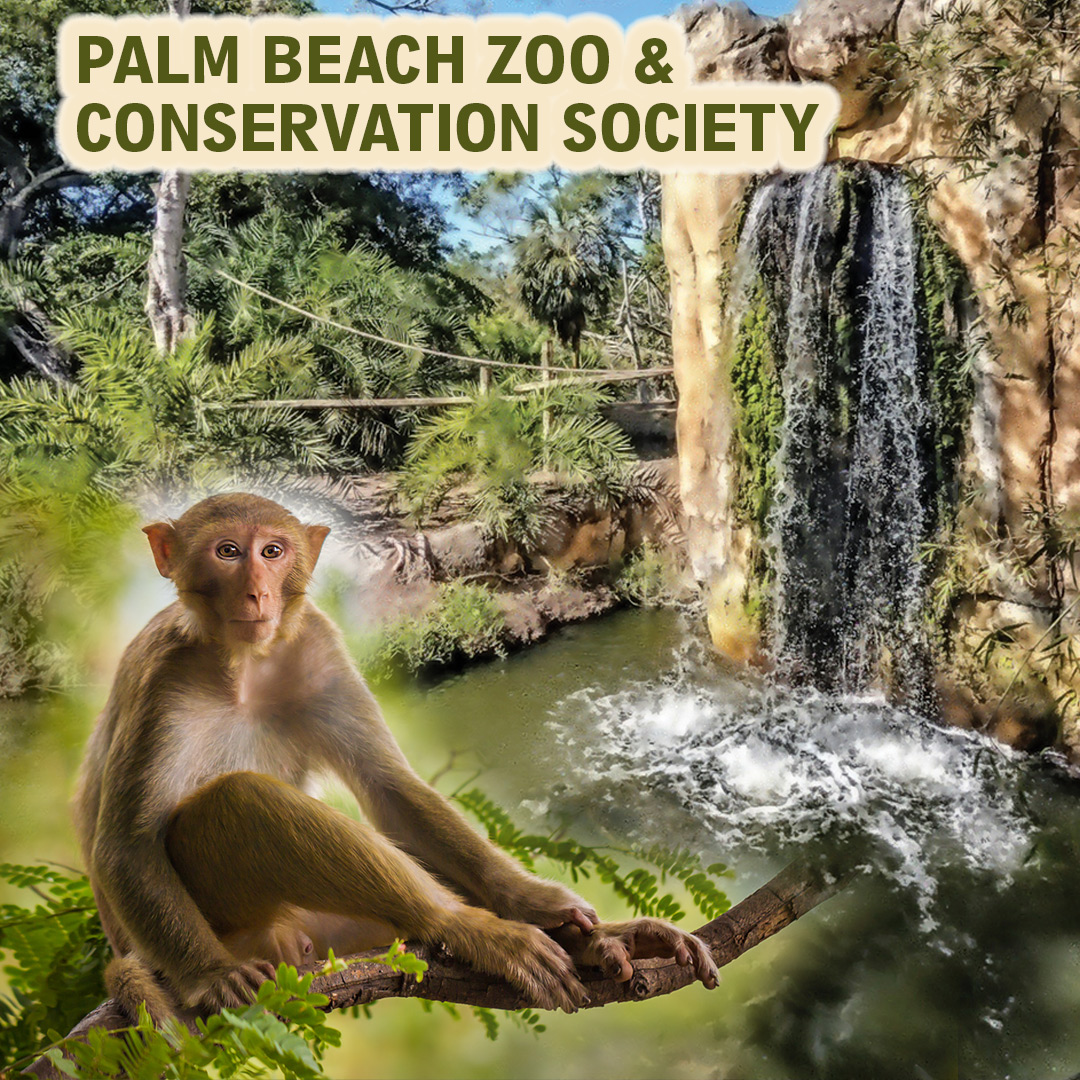
The Cox Center occupies Dreher Park alongside the Palm Beach Zoo, and visitors can get deals for entrance into both facilities. Formerly the South Florida Science Center and Aquarium, this museum has been serving Palm Beach County since 1961, and it’s undergone much renovation and expansion since then. It’s in the midst of an expansion project right now, and we had to walk past construction zones to get into the main building, but it’s still worth a visit. The grand opening to the public is targeted for 2027.

In November 2021, the facility announced its expansion plans along with a name change, thanks to a record donation from Howard and Wendy Cox: “Their $20 million lead gift serves as the keystone for a $115 million capital expansion campaign to take the new Cox Science Center and Aquarium into the future with expanded exhibit and programming spaces, including one of Florida’s largest aquariums.” This expansion plan will also include a three-story, state-of-the-art building with a larger exhibition gallery, enhanced programming spaces, and a full-scale restaurant.

However, Cox has already dramatically renovated its campus in the past decade, including a reconstruction of its 5,000-square-foot Hall of Discovery, a full-dome planetarium, a 1,000-square-foot early childhood exhibit, more than 80 interactive exhibits, a modernized theater, and a new science laboratory. The facility serves more than 300,000 visitors annually, including 130,000 through field trips and educational outreach into schools and classrooms. While we were there, summer camps were going on, and the kids were having a blast.

“Engineers on a Roll” is a hands-on exhibit specially designed for young children, combining elements of an engineering lab, playscape, and climbing area, focused on introducing basic engineering, science, and math concepts through play. There’s a “river of balls” that children can direct, sort, and experiment with, encouraging them to explore and learn.

If ocean learning sparks young ones’ curiosity, they can check out Explorers’ Cove, where little adventurers can dive into a world of ocean discovery, with up-close investigations and interactive adventures. Kids can look for sea treasures, climb through an underwater adventure, and look through microscopes for close-up views of ocean life.

In the Florida Exhibit Hall are “Aquariums of the Atlantic,” with 10,000 gallons of water housing native fish such as queen angels, spadefish, moray eels, and stingrays. The different habitats on display here will take you through the depths of our coral reefs and Florida’s diverse ecosystems of the Everglades, the Gulf Stream, and the open ocean.

Outside in “the backyard” of the museum, there’s a quarter-mile-long Fisher Family Science Trail, which connects 15 new exhibits, including the FPL SolarScape, an interactive splash pad, a gem panning station, an amphitheater featuring live science shows and seasonal concerts, and and a dinosaur walk. Dino Trek, the cool dinosaur garden, drew in even us older visitors. Families can imagine trekking through a prehistoric wonderland and pose for pictures in front of the life-size dinosaurs.

For more adventure, there is a limited-time exhibition, Mission Aerospace, which invites visitors to “embark on a multilayered exploration of aviation history, aerospace milestones, and some of NASA’s trail-blazing discoveries that are shaping our world every day.” For an additional cost, explorers can go on this mission through Sept. 28 and learn about NASA’s exciting new vision for the future, its research, and the global benefits it’s providing. Group discounts are available.

So, Cox Science Center is constantly growing and expanding and bringing more mind-opening science fun to families in South Florida. You may have to pardon their dust for a while, but a trip there may be well worth it in your near future.

The Cox Science Center and Aquarium is open Monday to Friday from 9 a.m. to 5 p.m., and on Saturday and Sunday from 10 a.m. to 6 p.m. For more information, go to www.coxsciencecenter.org.

Food tips for summer travel with kids

Long-anticipated summer travel is not without its nutritional challenges, and adding young children to the mix multiplies those challenges. There’s more to consider than packing a few extra snacks and baby wipes. Follow these tips for a healthy, happy, and nourishing vacation with kids.

Road Trips

Logging a lot of miles in the car may have your kids asking for snacks to ease the boredom. Anticipate this and be prepared. Work with your kids on a list of boredom-busting activities, including games, music, videos, coloring books, and more. Before starting the car, review the day’s schedule. Explain when and where you’ll eat, and make a strong effort to stick to your normal eating schedule.

Pack some of these travel-friendly foods for children over the age of 4, as some may pose a choking risk for younger children. If your child is at risk of choking, enjoy your food at a rest stop so you can supervise while eating. Keep perishable items in a cooler with ice to reduce your chances of foodborne illness when on vacation.

  • Sliced bell peppers, cucumbers, or other easy-to-eat veggies
  • Applesauce
  • Dried and fresh fruit
  • Popcorn
  • Trail mix
  • Peanut butter sandwiches
  • Whole-grain crackers
  • Low-fat milk boxes
  • 100% fruit or vegetable juice
  • Low-fat yogurt
  • Cheese sticks
  • Cottage cheese

Don’t forget portable eating utensils and plenty of napkins and wipes. (If your kids don’t eat dairy products, learn more about nourishing plant-based foods you can pack at EatRight.org.)

Have your kids come up with fun meal ideas where they combine their favorite snack with another item you purchase at a restaurant. Kids can combine different lean proteins with whole grains, fruits, and vegetables to build a balanced meal or snack that’s part retail, part from home. In the end, you will save money and eat healthier. Water, milk, or a fortified milk alternative are good beverage choices, and even restaurant meals should include fruits and vegetables. If the restaurant doesn’t offer good options, fill in with the supply in your cooler.

A Stay at the Beach

Whether you’re hitting the beach for a day or staying for a week, the same guidelines apply. Try to stick as closely to your normal eating schedule as possible. Bring a cooler with some of the foods listed above and plenty of ice. Pack ample water and encourage frequent sipping. The hot sun can be dehydrating, and the cool ocean water and tons of fun can distract kids from drinking fluids.

Cruising Along

Food is present constantly on cruise ships—and in big, showy ways. Remind children that just because food is available doesn’t mean the family needs to eat it. Be a role model to your kids and encourage them to eat mindfully when they are hungry.

Travel Abroad

If you are traveling far or to places with new types of cultures, work with your family on planning where to eat in advance of your trip. Most restaurants around the world provide nutrition information online so you can plan on choosing the nutritious items that you have researched. Being in a new culture also is a great time to get your family to try new foods.

Visiting Family or Friends

Whether you’re traveling with others or staying in their homes, you may run into well-meaning food pushers. Give relatives and friends a kind heads-up to your expectations when it comes to offering food to your children. Help them find other ways to express love and warmth, such as reading a story or taking your child for a special outing.