
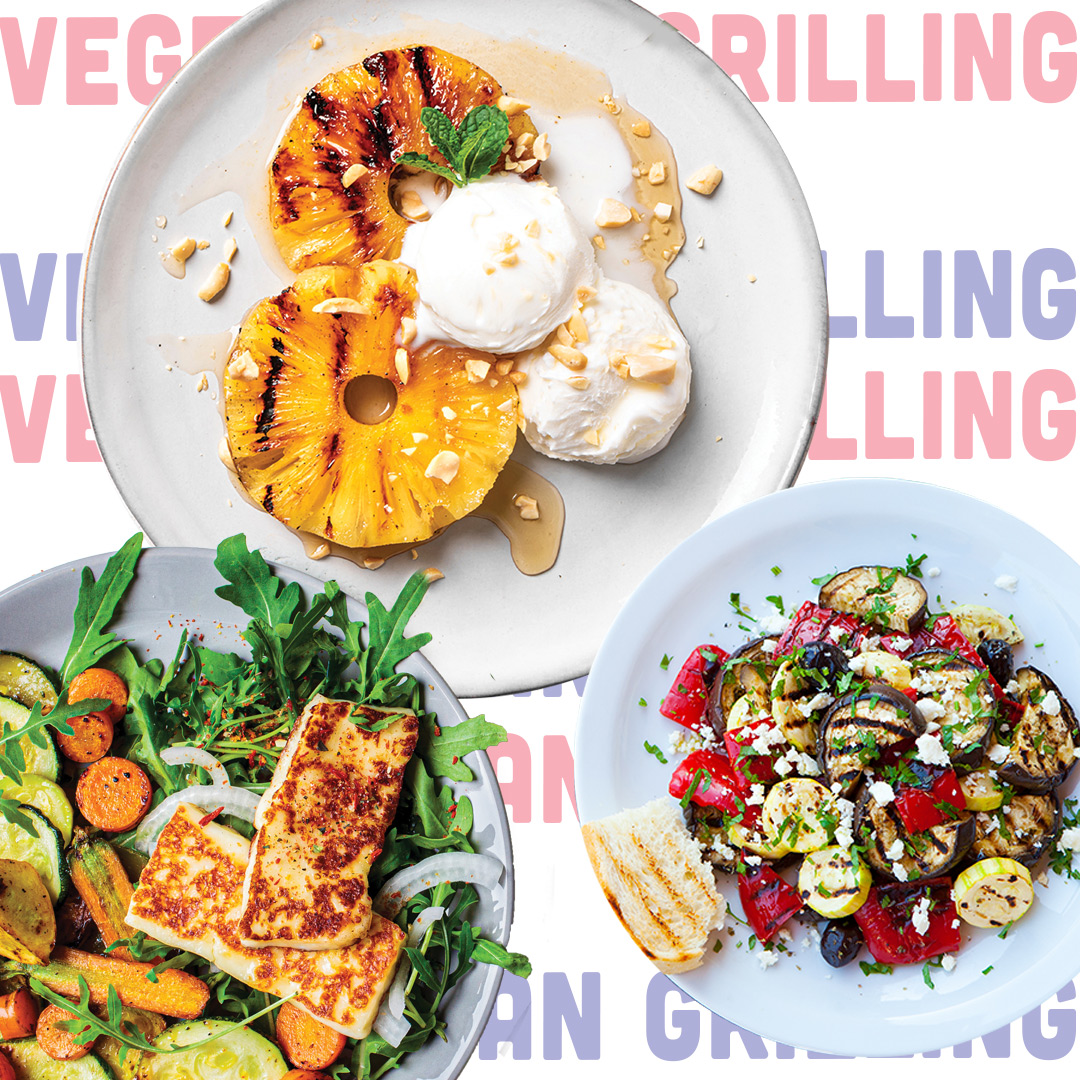
Summer brings the unofficial start of grilling season. For some vegetarians and vegans, however, this means making do at backyard picnics with the same old appetizers or soggy green salads. But barbecues do not have to be a washout for those who do not eat meat. Classic cookout foods can easily be transformed into delicious vegetarian or vegan fare.
Main Dishes
When hosting, be sure to offer some sort of plant-based protein, which can be as simple as a chilled bean salad! You will also find meat-free burgers and hot dogs in most grocery stores. Or, if you are feeling adventurous, create your own homemade burgers made from beans, rice grains, or tofu.
Side Dishes
From pasta salad and quinoa salad, to pickled veggies and pico de gallo, there are lots of plant-based options to serve at your cookout.
Grilled vegetables are satisfying no matter what your eating pattern! Marinated and grilled portobello mushroom caps are tasty and offer a savory flavor that can be appealing to vegetarians and non-vegetarians alike. Or skewer mushrooms, peppers, squash, and tomatoes, then grill them until slightly charred.
Deviled eggs, potato salad, and macaroni salads are possible food choices for lacto-ovo vegetarians, and they can be modified for vegans by altering some of these recipes, such as substituting certain ingredients with dairy- and egg-free products. Try a vinegar-based dressing for broccoli or green bean salad. Or make a simple chopped salad using canned chickpeas, tomatoes, cucumber, and bell peppers.
For a more nutritious chip option, offer guests homemade kale or collard chips. Another traditional favorite is grilled corn on the cob.
Desserts
You cannot go wrong with fresh seasonal fruit such as watermelon slices and an assortment of berries. If you’re looking for something more indulgent, soy, almond, cashew, and coconut milk–based ice creams command more shelf space in today’s frozen food aisle, and for good reason—they taste absolutely delicious! And if you want to join in for some s’mores around the campfire, gelatin-free marshmallows guarantee your place. Grilling? Try peaches, mangoes, pineapples, bananas, and other fruit. The heat caramelizes their natural sweetness.
On the Road
New vegetarians and vegans often find it difficult to ask hosts about food—what will be served and how it will be prepared. Most hosts, however, want their guests to enjoy themselves, so let them know you follow a vegetarian or vegan diet. You may be pleasantly surprised by their response. Some hosts will even go so far as to prepare dishes that are vegetarian- or vegan-friendly or at least not mind if you bring your own food.
If most dishes include meat, dairy, eggs, or cheese, offer to bring food to share with the crowd so you will not go hungry. As a courtesy, let the host know, as there may already be a crowded refrigerator or limited oven space—in which case, you can bring your own cooler or decide on a different recipe.
You will also want to follow good food safety practices. Bacteria grow rapidly between 40 and 140 degrees Fahrenheit, and vegetarians and vegans are not immune to food poisoning. Keep perishable foods in the refrigerator until you are ready to leave, and then keep cold foods chilled in an ice-filled cooler or by packing with frozen gel packs. If you are bringing food that is already hot, transport in a thermal container to help retain its heat. These foods should be reheated to a minimum internal temperature of 165 degrees once you arrive. Enjoy!