
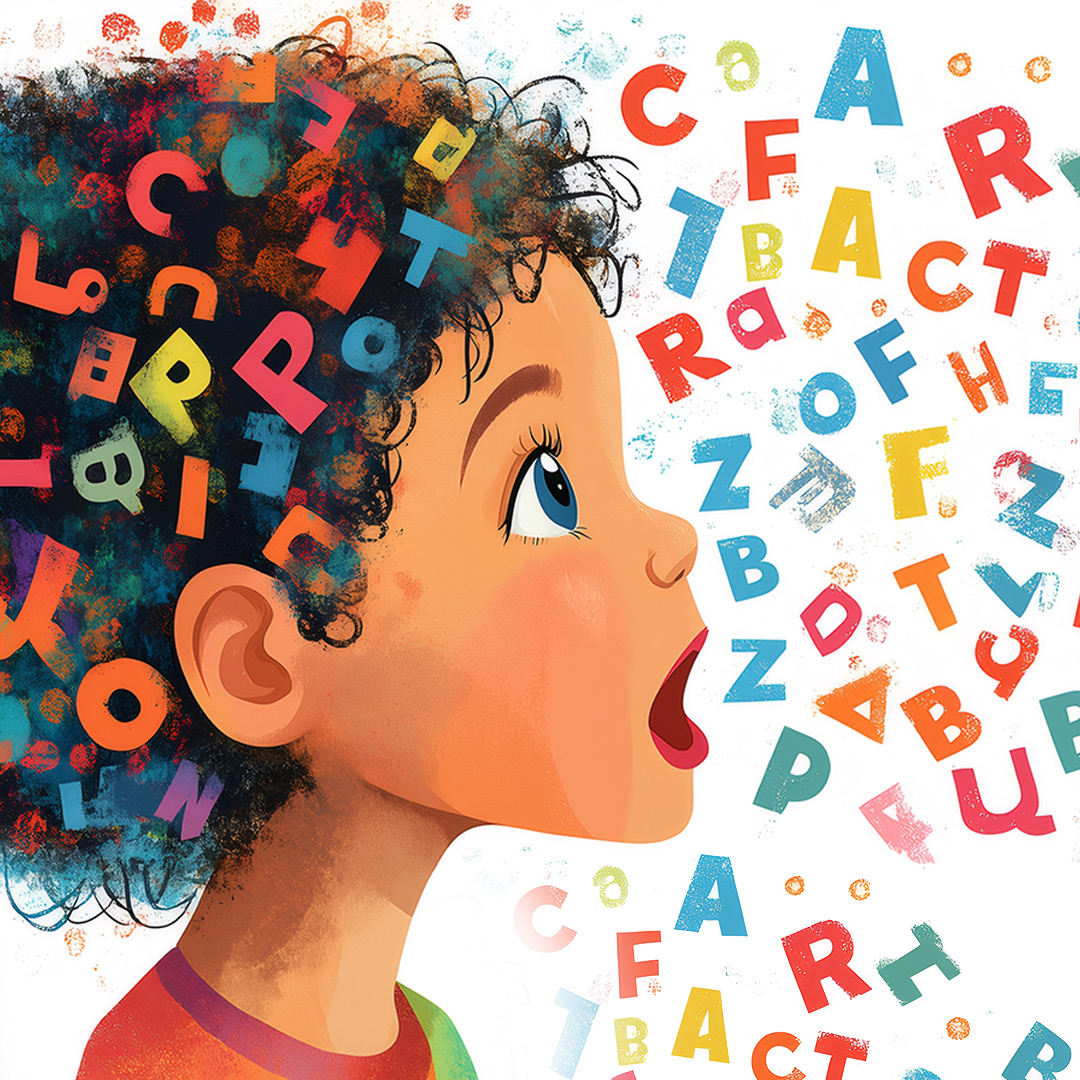
For many students with dyslexia, the hardest part of school isn’t reading—it’s believing they can succeed.
“They struggle with confidence,” says Dr. Irene Arshad, founder of Wise Owl Tutoring. “They’re terrified of being called on to read out loud because they know they’re going to struggle, and that embarrassment can stay with them.”
Dyslexia is a learning disability that affects how the brain processes written language, making reading, spelling, and writing more difficult. It’s not related to intelligence. “It’s a language processing and sequencing issue,” explains Arshad. “It’s not that they can’t read. It’s that they’re not processing it. They’re not remembering it.”
According to Arshad, dyslexia is more common than many parents realize. She often identifies signs of the learning disability within minutes of meeting a new student—including adults who were never diagnosed as children.
Some early warning signs include difficulty remembering the alphabet, confusing similar letters, avoiding reading or writing, and struggling to recall events in the order they happened. Younger children may also have trouble with fine motor skills, such as tying their shoes.
In the classroom, those challenges often extend far beyond reading.
“I have students that, when they come to me, have never passed any required state exams or college entrance exams,” Arshad says. “They’re required to pass these tests to graduate, and that becomes incredibly discouraging.”
As an educator with a Ph.D. in educational technology, Arshad has spent years studying not only how students learn, but how technology can help them learn differently.
The first step is evidence-based reading intervention. Certified in both the Orton-Gillingham and Wilson reading intervention methods, Arshad focuses first on building foundational reading skills before introducing engaging learning activities. She compares the process to traveling to the grocery store.
“For most people, there’s one straight road to get where they’re going,” Arshad says. “For students with dyslexia, that road is closed. Reading intervention builds a new road—a new neural pathway—so they can still reach the same destination.”
That concept is rooted in neuroplasticity, the brain’s ability to form new connections through learning and practice.
To strengthen those new pathways, Arshad combines reading intervention with technology she designs herself. One of her most popular creations is an Alice in Wonderland–themed digital escape room that transforms reading practice into an interactive adventure.
“We have so many learning platforms out there, but nothing really caters to students with dyslexia,” she says.
Students advance through colorful animated scenes by answering reading questions correctly and unlocking new levels. Along the way, built-in accessibility features—including dyslexia-friendly fonts, animated line readers, syllable breakdown tools, and digital annotation features—allow students to interact with text in ways that support how their brains process language.
The games continue to evolve with student feedback. In fact, the Alice in Wonderland theme came from one teenager who said it was her favorite story.
That same student had never passed a standardized test and was at risk of not graduating high school. After receiving reading intervention and working through the interactive lessons, she not only passed her required exam, but went on to excel on additional college entrance tests.
“She looked at me and said, ‘This is actually so easy. I just didn’t know how. Now my brain has a structure,’” Arshad recalls.
For Arshad, technology isn’t replacing great teaching—it’s amplifying it. By combining research-backed reading intervention with thoughtfully designed digital learning experiences, she’s helping students discover that dyslexia isn’t a limitation. Sometimes, all they need is a different path to learning.
For more information, visit wiseowltutoring.org.