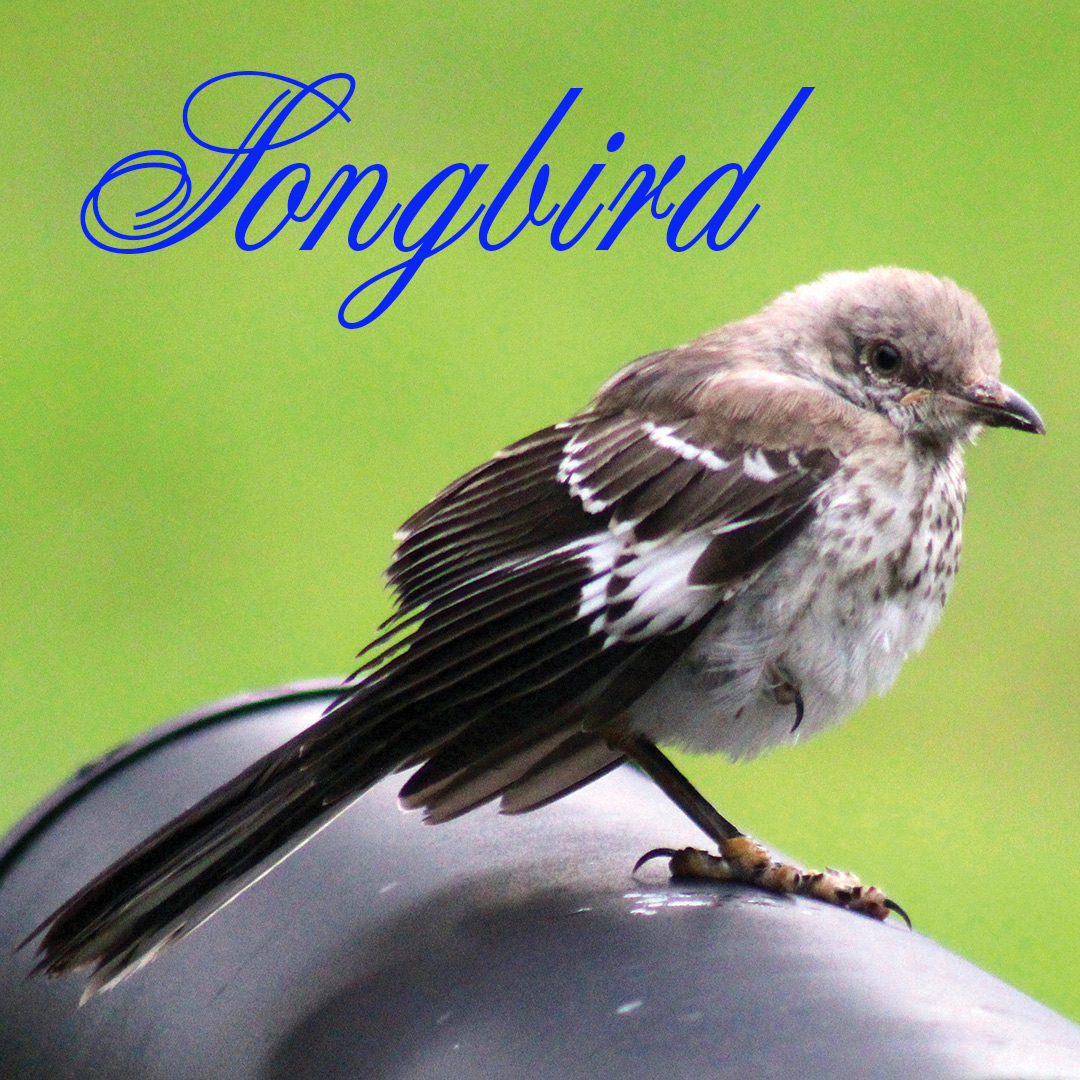
For a century, the Northern Mockingbird has been the official state bird of Florida. The avian symbol of Florida was designated in 1927. The decision was based on the songster’s prolific voice and its tenacious nature in defense of its home, traits that state leaders at the time felt represented the spirit of Floridians.
Florida is not the only state that championed the mockingbird as its symbolic bird. Four other states share the same connection to the iconic bird—Arkansas, Mississippi, Tennessee, and Texas.
Adopting the mockingbird as the state bird in 1927, the Florida legislature praised its ability to mimic songs of nature: The typical male mockingbird has 200 songs in his repertoire, including songs of other species, and even human-made sounds like car alarms. The mockingbird’s prowess as a songbird almost led to its extinction, as the birds were heavily captured and sold as pets from the 1700s to the early 1900s, until laws were passed to protect songbirds.
Bravery is another trait associated with the mockingbird. It is well documented that mockingbirds are fearless in defending their territory against much larger perceived foes. When feeling that its territory is being encroached, the mockingbird will attack hawks, dogs, and even humans to protect its home—Florida’s original “Stand Your Ground” homeowner.
Mockingbirds are also keen observers and have a good memory. They will recognize individual human neighbors, and they’ll respond differently to different people. Those who were seen as threatening to their nests in the past will often face a diving attack.
In recent years, there has been a persistent effort, especially from the South Florida tourism industry, to dethrone the state bird and crown another symbol of Florida—the flamingo.
The American flamingo was hunted to near extinction by the early 1900s. There were no reported sightings for a decade by the mid-1900s. The Flamingo Hotel, a popular destination in the 1920s, was famous for its captive flamingos used in marketing, along with many flamingo souvenirs. This made the flamingo a popular symbol for South Florida.
In recent decades, escapees from Hialeah Park, and ones blown in from Caribbean islands, started to increase the local flamingo population. Until 2018, the Florida Fish and Wildlife Conservation Commission listed the population as a nonnative species. In 1980, a study declared these flamingos native and asked for their protection as a threatened species. Caribbean flamingos are seeing a resurgence, and more are likely to migrate to Florida in the future to beef up the local numbers.
The naturalization of this new generation of flamingos, coupled with the marketing that puts the flamingo on our lottery tickets as well as on hotel signs, has led to a strong effort to replace the current state bird of Florida with the flamingo.
Flamingos’ striking appearance, and social nature, seems to be a fit for tourist-friendly Florida. They are known to form lasting friendships within their large flocks. The proponents of the change compare that to the aggressive mockingbird, and its tendency to dive-bomb you when you are walking your pet. Perhaps it is a change of the character of Florida, from the hardy, adaptable, boisterous, and stand-my-ground style of the mockingbird, to the beautiful recent arrival, with Hollywood-level marketability, of the flamingo. There hasn’t been a big-budget movie with a mockingbird since “To Kill a Mockingbird” in 1962, long before “Miami Vice” or the new “Toy Story 5,” with its Garden Gnome and Inflatable Flamingo.
The Florida legislature has been looking at replacing the mockingbird for the last few years, but so far the bird has kept its precarious perch at the top of the pecking order in Florida. Each attempt has gathered media attention in support of the more glamorous flamingo. The momentum may continue, as more retirees flock to Florida, often first discovering the great state through a tourist visit.
For almost 100 years, the mockingbird has symbolized the spirit of Florida. People from across the states and the world have come to Florida and called it home, and created a melting pot of cultures and languages, just like the mockingbird forms its songs from bits and pieces of other sounds. Now state politicians will be continually pressed to move from that history and embrace the always bankable flamingo, which is more likely to draw bigger crowds and will likely garner more souvenir sales.
Many of us are watching this mostly as a sideshow for more pertinent issues facing the state government, but these symbolic battles do have an impact on the future identity of the state. For bird lovers, both are symbols of resilience, and they have a long history in the state and each will have its fans.
Some decisions of the past can be lost in the fog of history, and the symbolism of the mockingbird is often forgotten when you hear their 24-hour chirp outside your window or you’re getting dive-bombed by an overprotective parent. It’s a metaphor for a typical Floridian—fighting for a spot on the highway, yet happy to sing a song in your preferred language. It is that innocent courage that is embodied by the songbird. As Harper Lee wrote, “Mockingbirds don’t do one thing but make music for us to enjoy…. That’s why it’s a sin to kill a mockingbird.”
The flamingo is a grand bird, as eye-catching and majestic as the new skyscraper along the coast, and a resilient return resident of Florida, but the mockingbird represents an aspect of Florida that has always been here, tenacious and loud. It has been a deserving holder of the symbolic avian crown of Florida; it will be left to the next legislature to decide its fate.
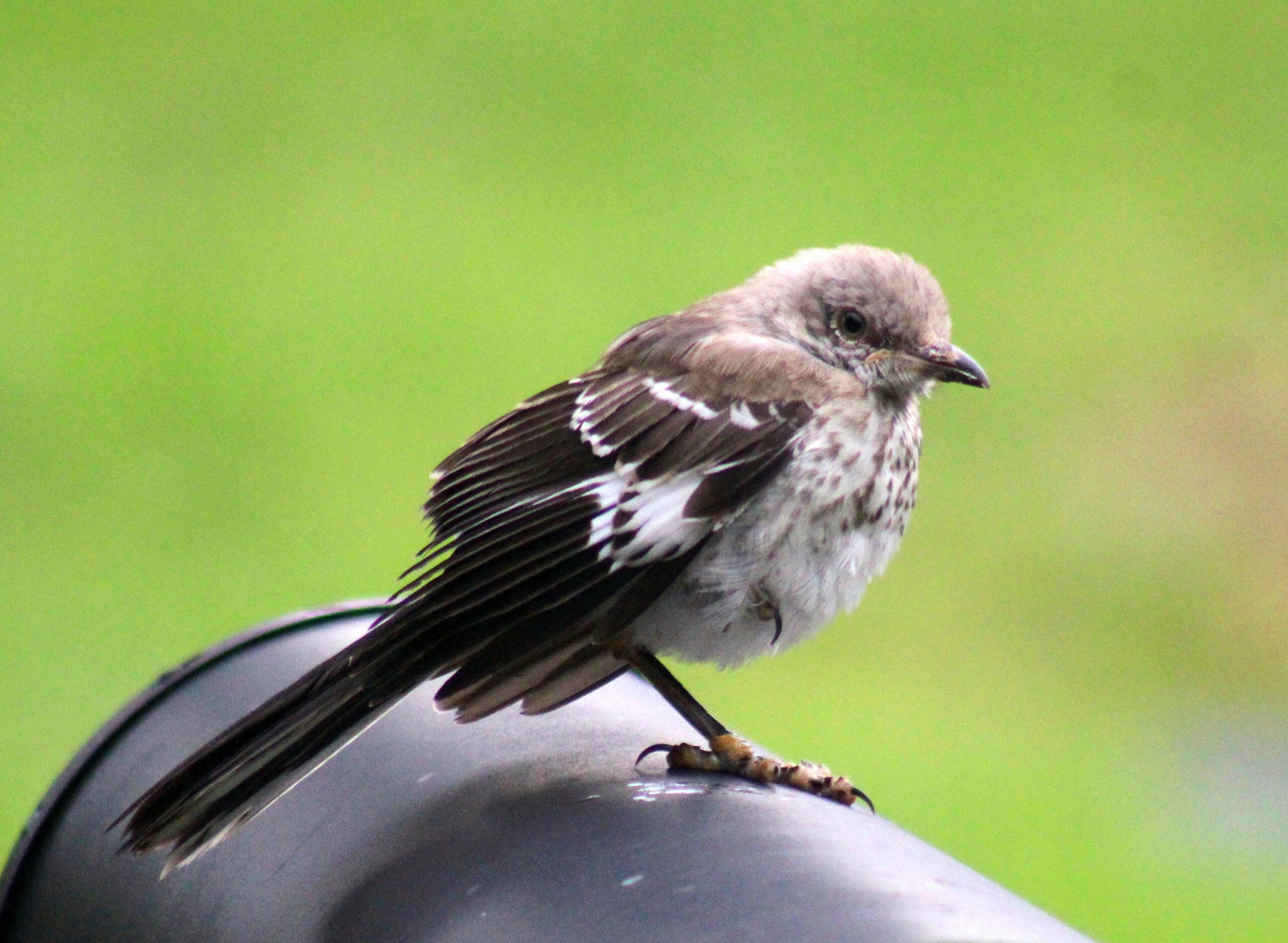
Mockingbird Facts
Scientific Name: Mimus polyglottos
Diet: Insects, berries
Behavior: Fearless, territorial, mimics sounds, sings at night
Status: Official state bird of Florida, Texas, Mississippi, Arkansas, and Tennessee
Lifespan: Typically 8 years in the wild, and up to 20 years in captivity